


Press Fit Tool: Precision, Strength, and Efficiency in Modern Assembly
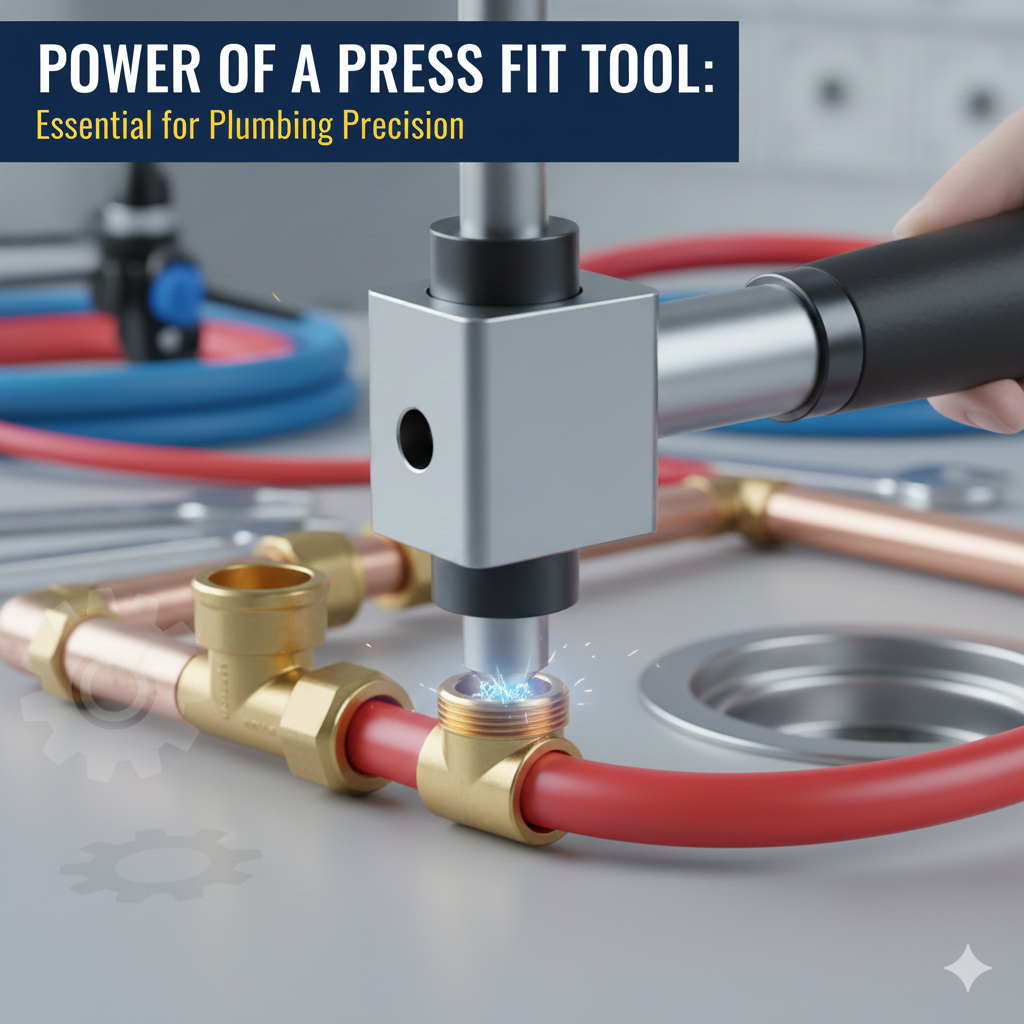
In today’s manufacturing and mechanical industries, precision is not optional—it is essential. From automotive engineering to electronics and industrial machinery, components must be assembled accurately and securely. One tool that plays a critical role in achieving this level of reliability is the press fit tool. Designed for controlled force and exact alignment, this tool has become a cornerstone of modern assembly processes.
What Is a Press Fit Tool?
A press fit tool is a specialized device used to join components by applying steady pressure rather than fasteners or adhesives. The method relies on tight tolerances, where one part is slightly larger than the other. When pressed together, friction holds the components firmly in place.
Unlike hammering or manual force, a press fit tool provides controlled and even pressure, reducing the risk of damage and ensuring consistent results. This makes it ideal for applications where accuracy and durability are critical.
Why Press Fit Assembly Matters
Press fit assembly is widely used because it creates strong, permanent connections without additional materials. Screws can loosen, and adhesives can degrade over time, but a properly executed press fit joint remains secure under stress and vibration.
Industries value press fit methods for their simplicity, cost efficiency, and structural integrity. A high-quality press fit tool ensures that components are installed correctly the first time, saving both time and resources.
How a Press Fit Tool Works
The core function of a press fit tool is to apply controlled force in a straight, guided motion. This ensures that components are aligned properly during insertion. The tool distributes pressure evenly across the surface, preventing uneven stress or deformation.
Most press fit tools are designed to work with specific tolerances. Whether operated manually, hydraulically, or pneumatically, the principle remains the same: precise force applied steadily for a perfect fit.
Types of Press Fit Tools
There are several types of press fit tools, each designed for different applications:
-
Manual press fit tools: Ideal for small-scale tasks or workshops
-
Hydraulic press fit tools: Used for heavy-duty industrial applications
-
Pneumatic press fit tools: Common in automated production lines
-
Arbor presses: Popular for mechanical and repair work
Choosing the right press fit tool depends on the size of the components, required force, and production volume.
Key Advantages of Using a Press Fit Tool
One of the biggest advantages of a press fit tool is consistency. Each assembly is performed with the same level of force and alignment, reducing human error. This leads to higher product quality and fewer defects.
Another benefit is efficiency. Press fit assembly is often faster than traditional fastening methods, especially in high-volume production environments. It also eliminates the need for extra parts such as bolts or adhesives, reducing material costs.
Additionally, press fit tools improve safety. Controlled pressure reduces the risk of accidents that can occur when using impact-based methods.
Applications Across Industries
The press fit tool is used across a wide range of industries:
-
Automotive: Installing bearings, bushings, and shafts
-
Electronics: Securing connectors and circuit components
-
Manufacturing: Assembling gears, pulleys, and housings
-
Aerospace: Precision fitting of structural components
-
Maintenance and repair: Replacing worn or damaged parts
In each of these fields, precision and reliability are non-negotiable, making press fit tools indispensable.
Best Practices for Press Fit Assembly
To achieve optimal results, it’s important to follow best practices when using a press fit tool. Always ensure components are clean and properly aligned before pressing. Even minor debris or misalignment can compromise the joint.
Using the correct tool size and pressure rating is equally important. Excessive force can damage components, while insufficient pressure can result in a loose fit. Calibration and routine maintenance of the press fit tool help maintain accuracy over time.
Durability and Long-Term Performance
A properly installed press fit joint offers excellent long-term performance. It resists vibration, thermal expansion, and mechanical stress better than many alternative fastening methods.
High-quality press fit tools are built from durable materials designed to withstand repeated use without loss of accuracy. Investing in a reliable tool not only improves current operations but also ensures consistent performance over years of use.
The Future of Press Fit Tools
As manufacturing moves toward automation and smart factories, press fit tools are evolving. Modern systems now include sensors and digital controls that monitor force, alignment, and depth in real time. This data-driven approach further improves precision and quality assurance.
These advancements allow manufacturers to integrate press fit tools seamlessly into automated production lines, supporting higher output without compromising accuracy.
Final Thoughts
The press fit tool is more than just an assembly device—it is a symbol of precision engineering. By delivering controlled force, consistent alignment, and reliable results, it plays a vital role in modern manufacturing and mechanical work.
Whether used in a small workshop or a large industrial facility, a press fit tool ensures that components come together securely, efficiently, and safely. In a world where quality and performance matter more than ever, this tool remains an essential part of the assembly process.

 English
 Arabic
 French
 Spanish
 Portuguese
 Deutsch
 Turkish
 Dutch
Dutch
 Russian
 Romaian
 Portuguese (Brazil)
 Greek
Greek