


Buy, Rent & Sell Real Estate in Malaysia, UAE, Singapore & Pakistan
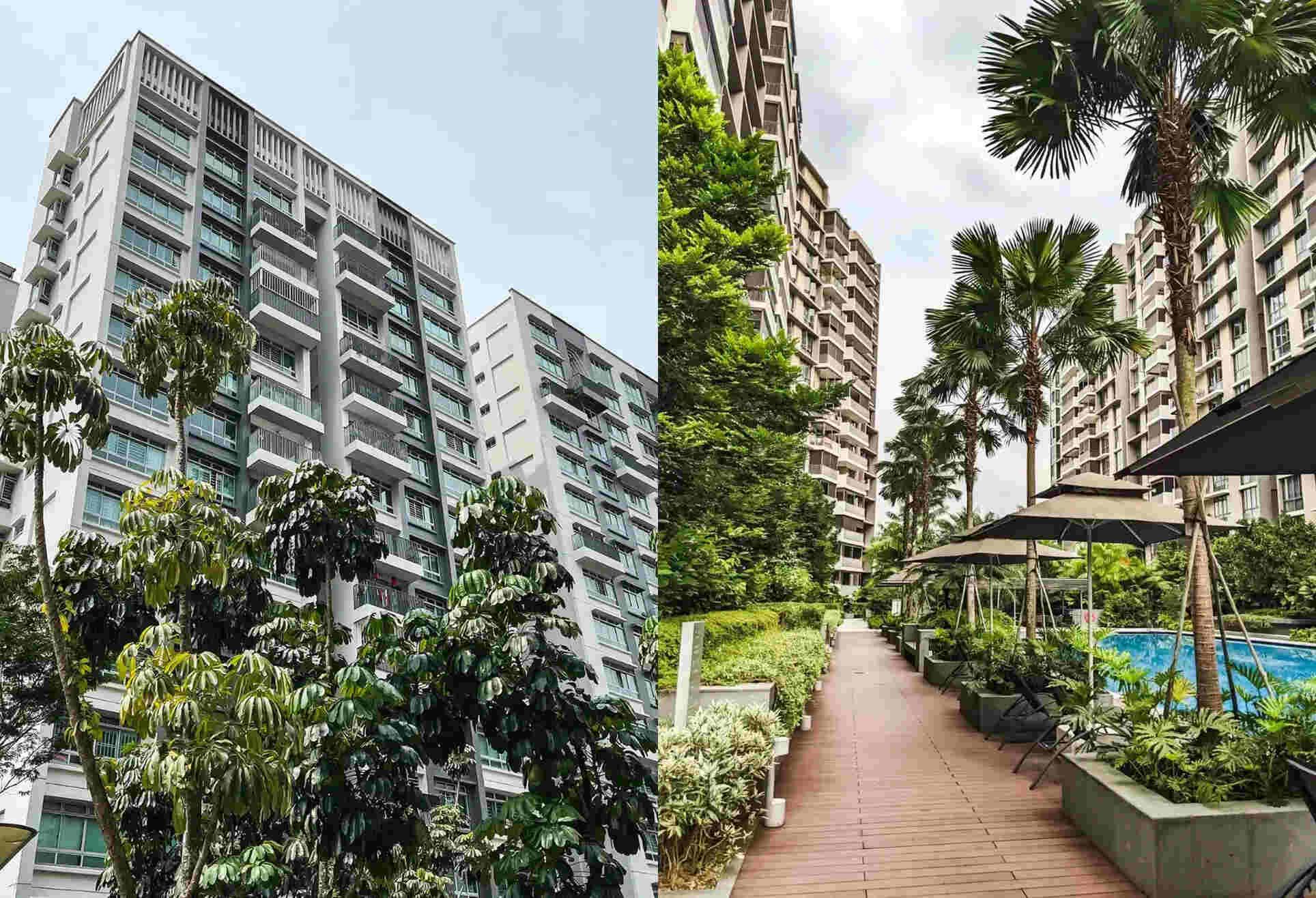
Real estate across Asia and the Middle East is no longer a local affair. Whether you are a first-time buyer in Lahore, a landlord liquidating assets in Dubai, a retiree renting in Kuala Lumpur, or a high-net-worth individual diversifying through Singapore's prime districts — the decision to buy, rent, or sell property now spans borders, currencies, and legal systems.
This guide unpacks what you need to know about real estate transactions across four of the region's most dynamic markets: Malaysia, UAE, Singapore, and Pakistan.
Why These Four Markets Matter Together
Ziba Property Malaysia, UAE, Singapore, and Pakistan collectively represent a property ecosystem that is deeply interconnected. Pakistani expatriates are among the largest buyer groups in Dubai. Malaysians and Singaporeans regularly cross-invest due to geographic proximity and shared ASEAN financial ties. Remittance-driven property purchases link Gulf-based workers back to Pakistan's Lahore, Karachi, and Islamabad markets.
Understanding these markets in parallel — not in isolation — is the edge modern investors are looking for.
Buying Real Estate: Market-by-Market Breakdown
Malaysia
Malaysia offers one of Southeast Asia's most foreigner-friendly property frameworks through the Malaysia My Second Home (MM2H) programme. Foreign buyers can purchase properties above the state-mandated minimum threshold (typically RM 1 million), with freehold titles available in most states. Kuala Lumpur, Penang, and Johor Bahru remain top locations for both capital appreciation and rental yield.
Key buyer consideration: Malaysia's property market is undersupplied in affordable housing but oversupplied in luxury high-rises — buy in growth corridors like Iskandar Malaysia or Cyberjaya for better long-term returns.
UAE
Dubai and Abu Dhabi have transformed into global property destinations. Foreign nationals can buy freehold property in designated investment zones. The UAE's Golden Visa programme, which grants long-term residency to property investors meeting the AED 2 million threshold, has accelerated demand significantly.
Key buyer consideration: Off-plan properties in Dubai offer competitive payment plans and developer incentives, but due diligence on developer track record is essential before committing.
Singapore
Singapore's real estate is among the most regulated and expensive in the world — and that is precisely why it retains its value. The Additional Buyer's Stamp Duty (ABSD) for foreigners currently stands at 60%, making direct residential purchase less attractive unless you hold Permanent Residency. Commercial and industrial properties face fewer restrictions.
Key buyer consideration: Singapore is better suited for long-term holders and PR applicants; short-term speculative buying is heavily disincentivised by policy design.
Pakistan
Pakistan's real estate sector is historically one of the country's strongest stores of value, particularly in Lahore's DHA and Bahria Town, Islamabad's Blue Area and E-7, and Karachi's Clifton and Defence. The government's Naya Pakistan Housing Programme and increased SECP oversight are gradually formalising the market.
Key buyer consideration: Documentation, title verification, and dealing with registered agents through platforms or reputable property portals is non-negotiable to avoid fraud in an underregulated environment.
Renting Real Estate: What Tenants and Landlords Should Know
Rental demand across all four markets is being driven by urbanisation, expatriate communities, and delayed home purchases due to affordability constraints.
- Malaysia: Rental yields of 4–6% in KL are achievable. RERA-equivalent protections are covered under the Contracts Act 1950 and Distress Act, though a formal tenancy law is still awaited.
- UAE: Dubai's rental index (set by RERA) caps rent increases annually, protecting tenants while still allowing landlords market-aligned returns. Average gross rental yields in Dubai sit between 5–8%.
- Singapore: Rental prices surged post-pandemic due to supply constraints. HDB flats, private condominiums, and landed properties operate under distinct rental rules; subletting HDB flats requires HDB Board approval.
- Pakistan: Rental agreements are typically informal. Urban rental yields in prime zones range from 4–5%, but inflation and currency depreciation affect real returns for foreign investors.
Selling Real Estate: Taxes, Timelines & Repatriation
Selling property abroad involves more than finding a buyer. Capital gains tax, repatriation rules, and currency risk all affect your net proceeds.
| Market | Capital Gains Tax | Repatriation |
|---|---|---|
| Malaysia | RPGT: 0–30% based on holding period | Permitted with documentation |
| UAE | 0% | Fully permitted |
| Singapore | 0% (non-traders) | Fully permitted |
| Pakistan | CGT: 15% (held under 1 year) | Subject to SBP rules |
UAE remains the most seller-friendly environment, with zero capital gains tax and no restrictions on remitting sale proceeds abroad — a major draw for international investors.
The Cross-Border Investor's Checklist
Before you transact across any of these four markets, verify:
- Legal ownership structure — Can you hold freehold, leasehold, or only through a local entity?
- Tax residency implications — Does selling trigger tax obligations in your home country?
- Currency exposure — MYR, AED, SGD, and PKR each carry distinct volatility profiles.
- Reputable local agents — Use licensed agents registered with BOVAEA (Malaysia), RERA (UAE), CEA (Singapore), or APCAA-recognised bodies in Pakistan.
- Due diligence on title — Especially critical in Pakistan and some Malaysian secondary markets.
Final Word
The decision to buy, rent, or sell real estate in Malaysia, UAE, Singapore, or Pakistan is not purely financial — it is also strategic, legal, and deeply personal. Each market rewards patience, local knowledge, and disciplined due diligence. The investors who win across borders are those who treat cross-market real estate not as speculation, but as structured portfolio construction.
Whether you are entering the market for the first time or expanding an existing portfolio across geographies, aligning with professionals who understand both local regulations and cross-border dynamics is the single most important step you can take.

 English
 Arabic
 Spanish
 Portuguese
 Deutsch
 Turkish
 Dutch
Dutch
 Italiano
 Russian
 Romaian
 Portuguese (Brazil)
 Greek
Greek