


The Interior Painting Mistakes Most Homeowners Make And How to Avoid Them
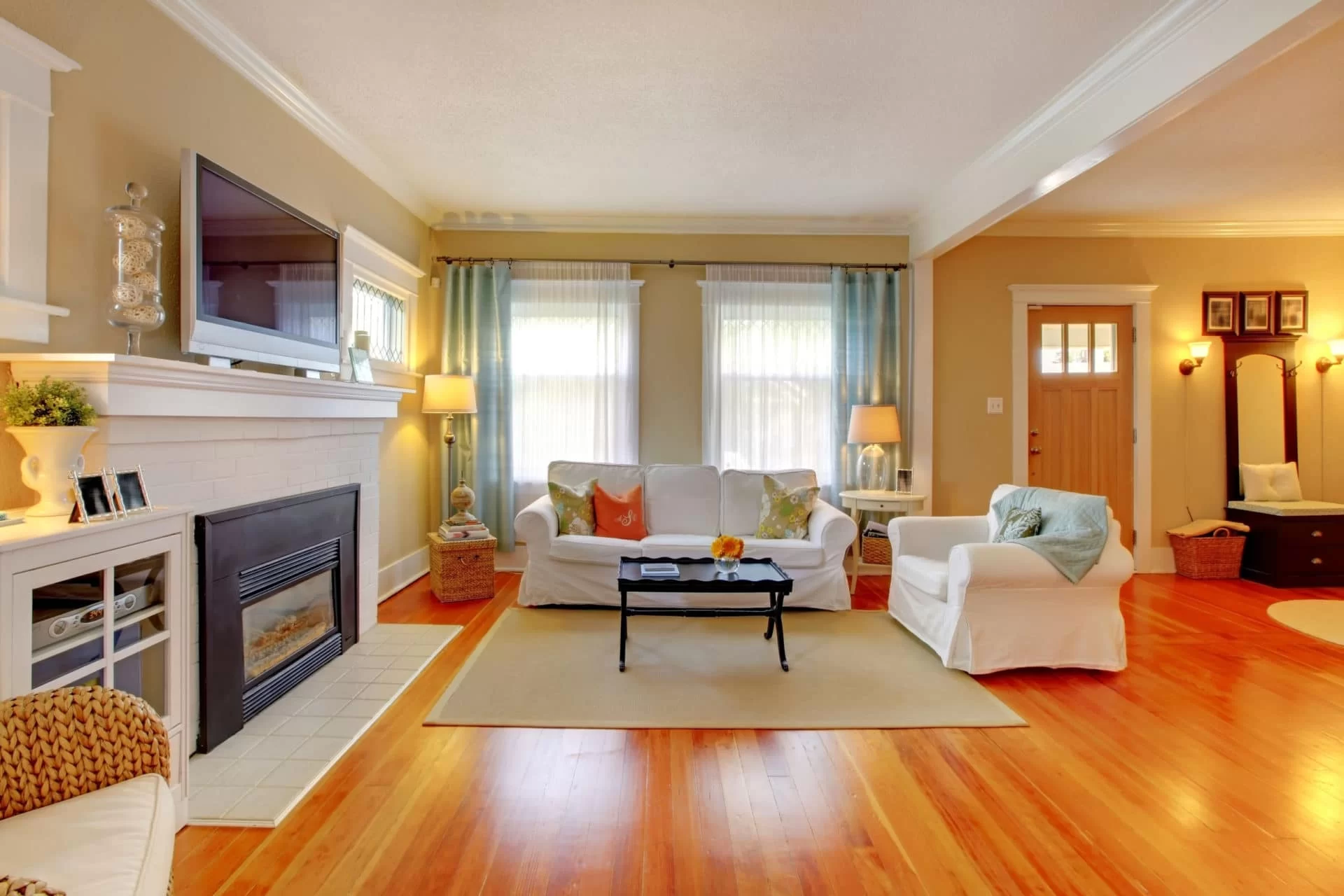
Most interior painting projects that fail do not fail because of the paint. They fail because of decisions made before the paint was opened. Wrong sheen level. Skipped primer. Interior wall paint was applied over a surface that was never properly prepared. These are not minor details; they are the difference between a finish that holds for a decade and one that starts marking, fading, or peeling within a year. After completing hundreds of interior painting services across Perth homes and commercial spaces, the same mistakes recur. This article covers the ones that matter most and what the correct approach looks like.
Mistake 1: Using the Same Paint on Every Interior Surface
This is the most common interior painting mistake, and it is immediately visible to an experienced eye. Walking into a room where the ceiling, walls, and trims have all been painted with the same product produces a finish that looks wrong even if the homeowner cannot immediately identify why. The reason is sheen. Different surfaces have different requirements, and interior paint is not a single product applied uniformly.
|
Surface |
Correct Product |
Why |
|
Ceilings |
Flat / Matte ceiling paint |
Absorbs light, hides imperfections, and joins |
|
Living room and bedroom walls |
Low-sheen acrylic |
Clean finish, lightly wipeable, consistent under light |
|
Kitchens and bathrooms |
Satin acrylic |
Moisture-resistant, easy to wipe clean |
|
Hallways and family rooms |
Eggshell |
More durable than low-sheen under heavy foot traffic |
|
Doors, trims, skirting boards |
Semi-gloss |
Hard, durable, handles daily contact without marking |
Applying low-sheen interior wall paint to a door trim produces a surface that marks within weeks. Applying semi-gloss to a ceiling makes every surface imperfection visible under light. Neither result looks professional, and neither is easy to fix without repainting the affected surface entirely.
Mistake 2: Skipping Surface Preparation
Surface preparation is the stage that determines how long an interior finish lasts. According to the Australian Paint Manufacturers' Federation, inadequate surface preparation is the leading cause of premature paint failure, ahead of product quality and number of coats. The best interior paint on the market will fail on an unprepared surface. A budget product on a correctly prepared surface will outlast it.
What Preparation Actually Involves
• Filling cracks and holes: Using the correct compound for the substrate. Flexible filler for surfaces subject to movement around door frames, at ceiling joins, and in older plaster. Rigid filler for stable areas.
• Sanding: Repaired areas must be sanded smooth before primer or topcoat is applied. Unsanded patches read through the topcoat as raised areas; no amount of additional coats will hide them.
• Priming bare surfaces: New plaster, repaired areas, and any bare substrate require a primer coat before the topcoat. Primer is the adhesion layer. Without it, the topcoat fails to bond correctly, and the finish degrades faster than expected.
• Stain blocking: Water stains, smoke marks, and tannin bleed from timber all require stain-blocking primer before topcoat. These marks will bleed through two or three standard topcoats regardless of the paint quality used.
• Mould treatment: Mould on bathroom or laundry walls must be chemically treated before painting, not painted over. Painting over active mould delays its return by weeks. A mould-inhibiting primer applied after treatment extends the result significantly.
Frank's Note:
"The preparation stage takes longer than the painting on most interior jobs. When a quote seems unusually low, the preparation is almost always where the savings have been made. That saving shows up in the finish within 12 months."
Mistake 3: Choosing Paint Colour Before Seeing It on the Wall
Colour selection from a chip or a screen is one of the most reliable ways to end up repainting a room. Interior paint colours shift significantly between a small sample chip and a full wall, particularly under artificial lighting, which almost always reads differently from the natural light the chip was viewed in at the paint counter.
The correct approach is to purchase sample pots of two or three candidate colours, apply them to the actual wall in patches of at least 30 centimetres square, and observe them at different times of day, morning, midday, and evening under artificial light. North-facing rooms in Australian homes receive warm morning light that shifts cool colours warmer. South-facing rooms are cooler and flatter, which makes warm neutrals a more reliable choice. These are things a paint chip in a store cannot show.
Committing to a full room before testing a sample is the single most avoidable interior painting mistake. Sample pots cost very little relative to repainting a room that reads wrong.
Mistake 4: Painting Interior Doors Incorrectly
Painting interior doors requires a different approach to walls, and most DIY results make this obvious. Doors are vertical surfaces that show every brush mark, roller texture, and drip under direct light. The paint system matters, the application method matters, and the order of application matters.
The Correct Sequence for Painting Interior Doors
• Remove or mask hardware: Hinges, handles, and strike plates should be removed or masked. Paint on hardware looks careless and is difficult to clean.
• Sand lightly: Existing paint on doors builds up over multiple coats and eventually obscures the panel detail. A light sanding before repainting keeps the finish sharp.
• Apply semi-gloss in thin coats: Two thin coats of semi-gloss produce a better result than one heavy coat. Heavy application causes runs on vertical surfaces that are difficult to correct without sanding back.
• Work in sections: On panelled doors, paint the recessed panels first, then the horizontal rails, then the vertical stiles. This minimizes visible joins and wet-edge marks.
• Allow full drying between coats: Semi-gloss takes longer to dry than low-sheen wall paint. Applying the second coat too soon causes the finish to lift and drag.
Also See: Top Kat Painting
Mistake 5 Applying the Wrong Product in Commercial Spaces
Commercial interior painting has requirements that residential painting does not. Offices, retail stores, and medical facilities are cleaned frequently with commercial-grade products, and standard residential interior wall paint is not formulated to hold up under this cleaning regimen. The finish dulls, marks, and eventually breaks down faster than it should.
For commercial interiors, washable acrylic system products with a higher binder content and greater resistance to abrasion are the correct specification. In healthcare and childcare settings, zero-VOC products are appropriate to maintain air quality during and after application. In warehouses and industrial spaces, coatings must resist abrasion and, in some cases, chemical exposure. Using a domestic interior paint product in these environments produces a result that requires repainting sooner and costs more over time than the correct specification from the outset. For a detailed breakdown of what professional commercial interior painting involves, the specification requirements differ enough from residential work to warrant separate consideration.
What to Look for in a Professional Interior Painting Service
Whether the job is a single room or a full home repaint, the indicators of a professional interior painting service are the same.
• Written quote with product specification: The exact paint brand, product name, and sheen level for each surface. A quote that refers to 'quality paint' without specifics tells you nothing about what will actually be used.
• Preparation detail: What preparation is included: filling, sanding, priming. If it is not in the quote, it is likely not in the job.
• Correct sheen per surface: A professional painter specifies different products for walls, ceilings, and trims as a matter of course, not on request.
• Workmanship guarantee: Coverage for preparation failures and delamination. A guarantee limited to obvious cosmetic defects in the first month is not a meaningful guarantee.

 English
 Arabic
 French
 Spanish
 Portuguese
 Deutsch
 Turkish
 Italiano
 Russian
 Romaian
 Portuguese (Brazil)
 Greek
Greek