


Car Care Tips That Help You Avoid Expensive Repairs
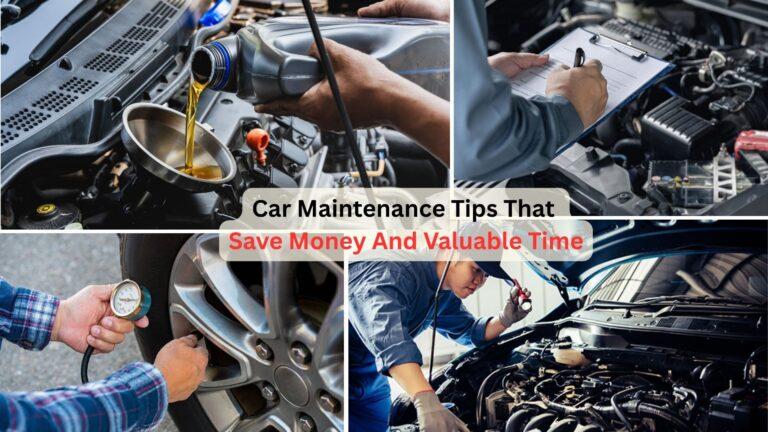
Vehicle ownership can be an expensive endeavor, so maintaining that vehicle is important to protect your investment. Many expensive auto repairs can be prevented by following simple steps of preventive maintenance. Unfortunately, many auto owners do the opposite and ignore minor issues until they balloon into major engine problems, causing a huge repair bill and/or an unexpected breakdown.
The Basics of Car Care Tips That Will Save You the Most on Expensive Repairs will turn out to be your best guide, and that is half the battle of you saving over thousands of dollars from the life of your vehicle. Preventive maintenance Your car's reliability and longevity are greatly enhanced by routine inspections, scheduled maintenance, and common-sense driving.
In this article we will discuss what you can do with your own car at home, which is good enough for most cars that will keep the car in tip-top shape for many years, and save you (and us) a lot of money down the road.
Why Preventive Car Care Matters
Preventive maintenance helps identify potential problems before they become serious.
Benefits of regular car care include:
-
Lower repair costs
-
Better fuel efficiency
-
Improved safety
-
Increased vehicle lifespan
-
Higher resale value
-
Fewer unexpected breakdowns
Spending a little time and money on maintenance today can help prevent costly repairs in the future.
Change Engine Oil Regularly
Engine oil is one of the most important fluids in your vehicle.
It helps:
-
Lubricate engine components
-
Reduce friction
-
Prevent overheating
-
Remove contaminants
Driving with old or dirty oil can cause excessive engine wear and eventually lead to major engine damage.
Always follow the manufacturer's recommended oil change schedule.
Regular oil changes are among the most affordable ways to prevent expensive engine repairs.
Monitor Tire Pressure
Maintaining proper tire pressure improves both safety and efficiency.
Correct tire pressure helps:
-
Extend tire life
-
Improve fuel economy
-
Enhance handling
-
Reduce uneven wear
Underinflated tires force the engine to work harder and increase fuel consumption.
Checking tire pressure monthly takes only a few minutes but can save significant money over time.
Rotate Tires Periodically
Tire rotation ensures even wear across all four tires.
Benefits include:
-
Longer tire lifespan
-
Better traction
-
Improved ride comfort
-
Reduced replacement costs
Replacing tires prematurely can be expensive, making regular tire rotation a smart maintenance practice.
Inspect Tire Tread Condition
Worn tires can compromise safety and increase the risk of accidents.
Look for:
-
Uneven wear patterns
-
Bald spots
-
Sidewall cracks
-
Embedded objects
Replacing damaged tires before they fail can help avoid costly roadside emergencies.
Replace Air Filters
The engine requires clean air for efficient combustion.
A clogged air filter can lead to:
-
Reduced fuel efficiency
-
Poor acceleration
-
Increased engine strain
Air filters are inexpensive and easy to replace.
Changing them regularly can improve engine performance and reduce long-term maintenance costs.
Keep Fluids at Proper Levels
Modern vehicles rely on several important fluids.
These include:
-
Engine oil
-
Coolant
-
Brake fluid
-
Transmission fluid
-
Power steering fluid
-
Windshield washer fluid
Low fluid levels can cause serious mechanical damage.
Regular inspections help identify leaks before they become expensive repairs.
Maintain the Cooling System
An overheating engine can result in some of the most expensive automotive repairs.
The cooling system helps regulate engine temperature.
Inspect regularly:
-
Coolant levels
-
Radiator condition
-
Hoses and connections
Preventing overheating can save thousands of dollars in engine repair costs.
Check the Battery
A weak battery can leave you stranded and cause starting problems.
Battery maintenance includes:
-
Cleaning corrosion from terminals
-
Inspecting cables
-
Checking battery voltage
Replacing a battery before it fails can save valuable time and prevent inconvenient breakdowns.
Pay Attention to Brake Health
Brake issues become more expensive when ignored.
Warning signs include:
-
Squealing sounds
-
Grinding noises
-
Soft brake pedal
-
Reduced stopping power
Addressing brake problems early can prevent damage to rotors and other brake components.
This often results in significantly lower repair costs.
Replace Windshield Wipers
Visibility is essential for safe driving.
Worn wiper blades may cause:
-
Streaking
-
Smearing
-
Reduced visibility during rain
Replacing windshield wipers is inexpensive and helps improve driving safety.
Follow the Manufacturer's Service Schedule
Your owner's manual contains recommended maintenance intervals for various vehicle components.
Scheduled maintenance may include:
-
Oil changes
-
Belt inspections
-
Filter replacements
-
Fluid changes
-
Tire rotations
Following the maintenance schedule helps prevent mechanical failures and prolong vehicle life.
Avoid Aggressive Driving
Driving habits directly affect vehicle wear and repair costs.
Aggressive behaviors include:
-
Rapid acceleration
-
Hard braking
-
Excessive speeding
These actions increase stress on:
-
Tires
-
Brakes
-
Engine
-
Transmission
Smooth driving helps extend component life and reduces maintenance expenses.
Listen for Unusual Noises
Vehicles often provide warning signs before major failures occur.
Pay attention to sounds such as:
-
Knocking
-
Grinding
-
Clicking
-
Squealing
Promptly investigating unusual noises can help identify problems before they become costly repairs.
Respond to Warning Lights Immediately
Dashboard warning lights exist for a reason.
Important indicators include:
-
Check engine light
-
Oil pressure warning
-
Battery warning
-
Coolant temperature warning
Ignoring warning lights can lead to severe damage and expensive repair bills.
Early diagnosis is usually far less costly than waiting for a complete failure.
Keep Your Vehicle Clean
Regular cleaning helps protect your vehicle both inside and out.
Benefits include:
-
Preventing rust
-
Preserving paint quality
-
Protecting interior materials
-
Maintaining resale value
A clean vehicle often retains its value better than a neglected one.
Schedule Professional Inspections
Even if your vehicle appears to be running well, periodic inspections by qualified technicians are important.
Professional inspections can identify:
-
Hidden leaks
-
Worn components
-
Developing engine issues
Early detection helps prevent expensive repairs and unexpected breakdowns.
Common Mistakes That Lead to Expensive Repairs
Many vehicle owners unknowingly increase repair costs by:
-
Delaying oil changes
-
Ignoring warning lights
-
Skipping maintenance
-
Neglecting fluid checks
-
Postponing minor repairs
Avoiding these mistakes can significantly reduce ownership expenses.
Long-Term Benefits of Proper Car Care
Consistent maintenance provides several advantages:
-
Lower operating costs
-
Improved reliability
-
Better fuel economy
-
Enhanced safety
-
Longer vehicle lifespan
-
Higher resale value
A well-maintained vehicle often costs far less to own over the long term.
Conclusion
Following these Car Care Tips That Help You Avoid Expensive Repairs can save you substantial money while improving your vehicle's performance and reliability. Regular oil changes, tire maintenance, fluid inspections, battery care, and responsible driving habits all contribute to preventing costly mechanical failures.
Rather than waiting for problems to appear, proactive maintenance helps identify issues early and keeps repair costs under control. By investing a small amount of time in routine car care, you can enjoy safer driving, fewer breakdowns, and a vehicle that remains dependable for many years to come.

 English
 Arabic
 French
 Spanish
 Portuguese
 Deutsch
 Turkish
 Dutch
Dutch
 Italiano
 Russian
 Romaian
 Greek
Greek