


Chicken Waterer Mistakes to Avoid And What to Do Instead
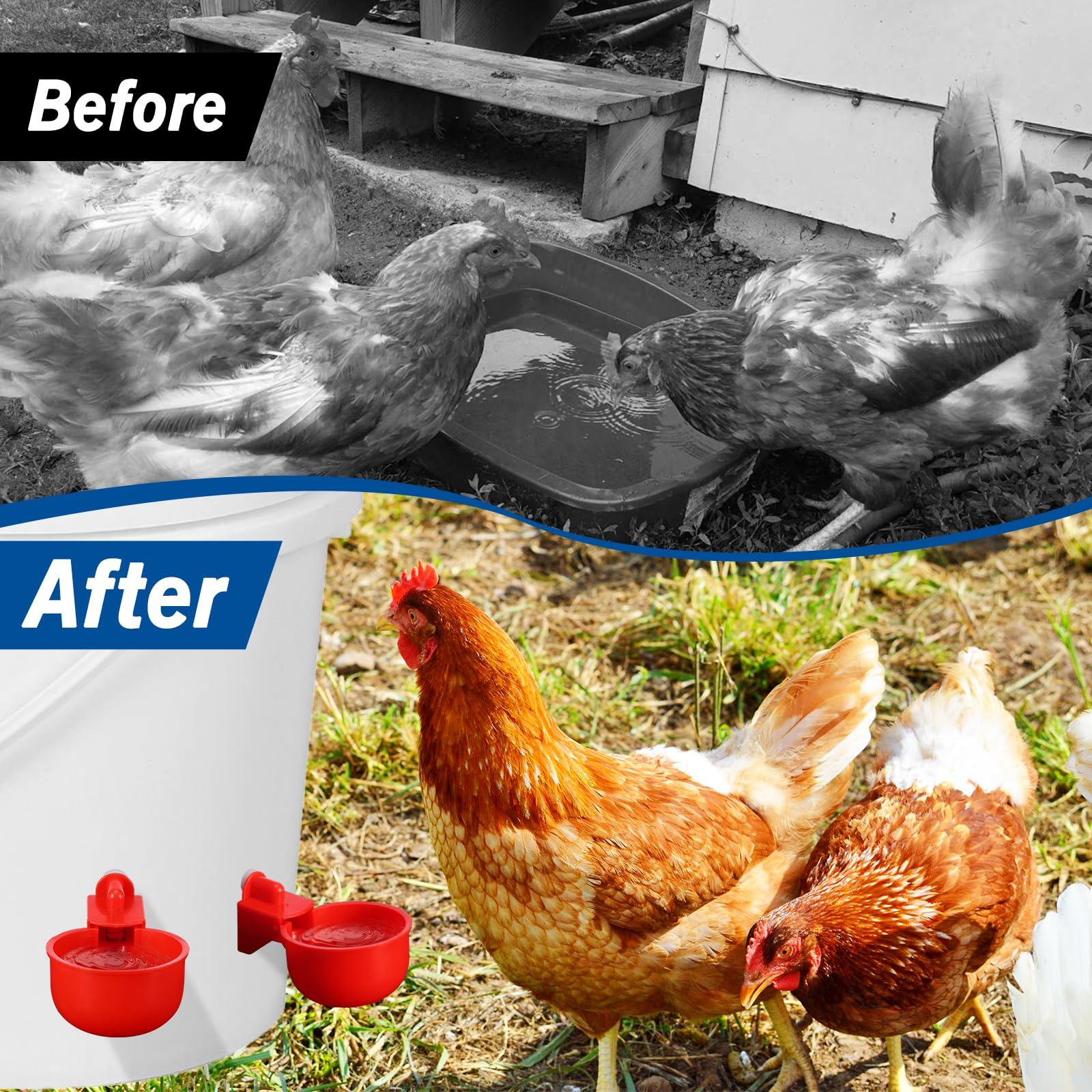
You can do a lot of things right with your flock — great feed, a well-built coop, solid bedding management — and still have chronic health issues, drops in egg production, and stressed birds if your watering system isn't working properly. Clean, consistent water access is foundational to flock health, and it's the element most backyard and small-farm chicken keepers get wrong.
Here's a look at the most common chicken waterer mistakes, and the straightforward fixes that make a real difference.
Mistake #1: Placing the Waterer on the Ground
Ground-level waterers get contaminated constantly. Chickens scratch. They kick up bedding. They step directly into troughs and leave droppings behind. Within hours of a fresh fill, a ground-level waterer can be murky with litter, manure, and bacteria that make birds reluctant to drink — or worse, sick.
The fix: Elevate your waterer. A simple rule of thumb is to position the drinking surface at approximately the birds' back height. You can use bricks, a wooden platform, or a purpose-made waterer stand. This single change can reduce contamination and cleaning frequency dramatically. It won't eliminate maintenance, but it meaningfully reduces the daily fouling that comes from floor-level placement.
Mistake #2: Using a Waterer That's Too Small
Undersized waterers create competition and stress, particularly in flocks of more than 6–8 birds. Dominant hens monopolize the water, subordinate birds drink less, and lower overall hydration affects the whole flock's health and production.
In summer, the problem compounds rapidly. A flock of 20 birds can drain a small waterer in a morning when temperatures climb.
The fix: Match your waterer's capacity to your flock size and your climate. Plan for at least one gallon of water per 10 birds per day as a baseline, and double that estimate in hot weather. If you're refilling your waterer more than once a day during normal conditions, size up.
For larger flocks, consider multiple watering stations at different points in the run. This reduces competition and ensures every bird has easy access regardless of flock hierarchy.
Mistake #3: Neglecting Winter Water Management
This is the mistake that catches new chicken keepers off guard the most. Water freezes. Chickens can't drink ice. And a flock that's been without water for a cold morning will show reduced egg production for days afterward — even if you catch it mid-morning and remedy it quickly.
The fix: If you're in a climate with regular below-freezing temperatures, a heated waterer isn't optional — it's essential infrastructure. Heated models use a thermostatically controlled element to keep water just above freezing and typically require a power source in the coop.
If electricity in the coop isn't possible, a rotation system works: keep two waterers and swap them at regular intervals, warming the frozen one inside. It's more labor-intensive, but it keeps birds watered through the coldest days.
Mistake #4: Infrequent or Improper Cleaning
Algae, bacteria, and biofilm build up in waterers faster than most people expect — especially in warm weather or in waterers that sit in sunlight. A visually "clean" waterer can still harbor harmful bacteria that affect flock health over time.
The fix: Rinse and refill your waterer at least every other day, daily in summer. For a deeper clean, use a diluted white vinegar solution (one part vinegar to nine parts water) weekly, scrubbing the interior surfaces with a brush. Vinegar effectively kills bacteria and algae without leaving harmful residues for birds.
Avoid bleach for routine cleaning — while effective at killing bacteria, it's harder to rinse completely, and residual bleach is harmful to poultry. Save it for disinfecting after a disease event, not for routine maintenance.
Mistake #5: Ignoring Waterer Placement in the Coop Layout
Where your waterer sits in the coop matters more than most people think. Placing it under a roosting bar means it catches droppings from above overnight. Placing it near high-traffic feeding areas means constant foot traffic kicks bedding into it. Placing it in a poorly lit corner means birds may not find it readily, especially in the first days after relocation.
The fix: Position your waterer away from roosting areas and feeding stations. In the coop, keep it off the ground and away from any surface where droppings can fall from above. In an outdoor run, shade from direct sun slows algae growth and keeps water cooler in summer — birds drink more from water in the shade than from baking containers in full sun.
Mistake #6: Sticking With the Wrong System Out of Habit
Many chicken keepers use traditional open gravity waterers because that's what they started with, even when a nipple system or automatic cup waterer would dramatically reduce their workload and keep their birds healthier.
The fix: Evaluate your watering system honestly every year. If you're cleaning it daily, refilling twice a day, or constantly fighting contamination, the system isn't working for you. Upgrading to nipple waterers or an automatic system is an investment that pays back quickly in time saved and water quality improved.
Nipple systems in particular are one of the most effective upgrades a backyard flock keeper can make. Chickens learn to use them quickly, the water supply is never exposed to the coop environment, and daily maintenance drops to nearly nothing once the system is set up correctly.
Getting the Right Setup From the Start
Choosing the right chicken waterer from the beginning — and using it correctly — is one of the most impactful things you can do for your flock's health and your own sanity as a keeper. It doesn't require expensive equipment or complex systems. It requires a waterer sized and suited to your flock, placed correctly, and maintained consistently.
Get the watering right, and you've solved one of the most common and easily preventable sources of flock health problems. Your birds will drink more, stay healthier, and produce better — and you'll spend less time on daily chores and more time actually enjoying your flock.

 English
 Arabic
 French
 Spanish
 Portuguese
 Deutsch
 Turkish
 Dutch
Dutch
 Italiano
 Russian
 Romaian
 Greek
Greek