


Root Canal Treatment in Islamabad: Everything You Need to Know Before Your Appointment
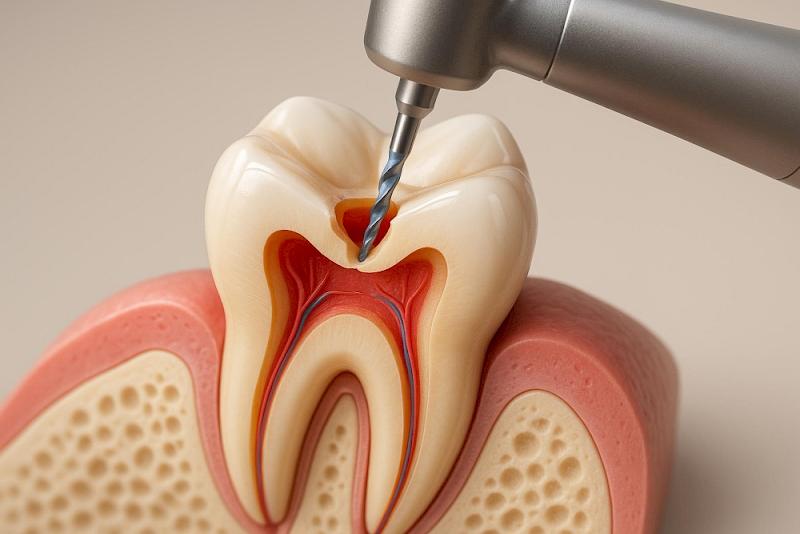
Dental pain can quickly disrupt daily life, making simple activities like eating, speaking, or sleeping uncomfortable. When tooth decay or infection reaches the inner pulp of a tooth, professional intervention becomes necessary to save the natural tooth and eliminate pain. Many people searching for solutions are now considering Root Canal Treatment in Islamabad as an effective way to restore oral health and prevent further dental complications. Understanding the procedure before your appointment can help reduce anxiety and ensure a smoother treatment experience.
What Is Root Canal Treatment?
Root canal treatment is a dental procedure designed to remove infected or damaged pulp from inside a tooth. The pulp contains nerves, blood vessels, and connective tissue that help the tooth develop. Once the pulp becomes infected due to deep decay, trauma, or cracks, it can cause severe discomfort and lead to more serious oral health issues.
During the procedure, the infected tissue is carefully removed, the inner chamber is cleaned and disinfected, and the space is sealed to prevent future infection. This process allows the natural tooth to remain functional while eliminating pain and infection.
Why Might You Need a Root Canal?
Several dental conditions can make root canal treatment necessary. Deep cavities that extend into the pulp are among the most common causes. Repeated dental procedures on the same tooth can also irritate the pulp and increase the risk of infection.
Other reasons include cracked teeth, dental trauma, severe sensitivity to hot or cold temperatures, swelling around the gums, and persistent tooth pain. Early diagnosis and treatment can help preserve the tooth and prevent the need for extraction.
Signs You Should Not Ignore
Recognizing the symptoms of a potential tooth infection is important. While some people experience intense pain, others may have only mild symptoms that gradually worsen over time.
Common warning signs include:
- Persistent toothache
- Sensitivity to hot and cold foods or drinks
- Swollen or tender gums
- Tooth discoloration
- Pain while chewing
- Small bumps or abscesses on the gums
- Facial swelling near the affected area
If any of these symptoms occur, seeking professional dental evaluation is essential to determine whether root canal treatment is required.
What Happens During the Procedure?
Understanding the treatment process can help you feel more comfortable before your appointment. The procedure typically begins with an examination and imaging to assess the extent of the infection.
After the area is numbed, a small opening is created in the tooth to access the infected pulp. Specialized instruments are used to remove the damaged tissue and clean the root canals thoroughly. The canals are then shaped, disinfected, and filled with a biocompatible material to seal the space.
In many cases, a dental restoration is placed afterward to strengthen and protect the treated tooth. The exact treatment plan depends on the condition of the tooth and the extent of damage present.
Preparing for Your Appointment
A little preparation can make your dental visit more comfortable. Before the appointment, maintain good oral hygiene and follow any instructions provided by your dental professional.
Getting adequate rest and eating a balanced meal before the procedure can also be beneficial. If you have concerns about anxiety, previous dental experiences, or medications you are taking, discussing them beforehand can help ensure a smoother treatment process.
Being informed about the procedure often reduces stress and allows patients to approach treatment with greater confidence.
Recovery and Aftercare
Recovery after root canal treatment is generally straightforward. Mild tenderness or sensitivity may occur for a few days, especially if the infection was severe before treatment.
Following aftercare recommendations can support healing and protect the treated tooth. Patients are usually advised to avoid chewing hard foods on the affected side until the tooth has been fully restored.
Good oral hygiene practices, including regular brushing, flossing, and routine dental checkups, remain essential for maintaining long-term oral health. Proper care helps ensure the treated tooth remains healthy and functional for years to come.
Benefits of Root Canal Treatment
Root canal treatment offers several advantages for patients dealing with infected or damaged teeth. One of the most significant benefits is preserving the natural tooth structure. Saving a natural tooth often supports better chewing function and overall oral health.
Other benefits include:
- Relief from dental pain
- Elimination of infection
- Improved oral function
- Prevention of tooth extraction
- Enhanced appearance and confidence
- Long-term protection of surrounding teeth
These benefits make root canal therapy a widely recommended solution for many dental infections.
Common Misconceptions About Root Canal Treatment
Many people associate root canal procedures with pain, but modern dental techniques have significantly improved patient comfort. In reality, the treatment is designed to relieve pain caused by infection rather than create additional discomfort.
Another misconception is that tooth extraction is always a better option. While extraction may sometimes be necessary, preserving a natural tooth whenever possible is generally considered beneficial for long-term oral health.
Understanding the facts behind the procedure can help patients make informed decisions about their dental care.
How to Maintain Results After Treatment
Long-term success depends largely on proper oral care. Brushing twice daily, flossing regularly, and attending routine dental examinations can help protect treated teeth from future problems.
Avoiding excessive consumption of sugary foods and beverages can also reduce the risk of decay. Wearing protective mouthguards during sports or if you grind your teeth at night may further help preserve your dental health.
With proper care and attention, treated teeth can continue functioning effectively for many years.
Conclusion
Choosing timely dental care can make a significant difference in preserving your smile and preventing serious oral health complications. Whether you are experiencing persistent tooth pain or have been advised to undergo treatment, understanding the process can help you feel more confident about your decision. As awareness grows regarding Root Canal Treatment in Islamabad, more individuals are discovering how this effective procedure can save natural teeth, restore comfort, and support long-term oral health through safe and reliable treatment.
FAQs
Is root canal treatment painful?
Modern root canal treatment is designed to relieve pain caused by infection. Most patients experience minimal discomfort during the procedure.
How long does a root canal procedure take?
The duration depends on the complexity of the case, but many treatments can be completed in one or two appointments.
Can I eat after root canal treatment?
You can usually eat after the numbness wears off, but it is recommended to avoid hard foods until the tooth is fully restored.
How long does a treated tooth last?
With proper oral hygiene and regular dental care, a treated tooth can last for many years.
What causes a tooth to need a root canal?
Deep decay, cracked teeth, repeated dental procedures, and dental injuries are common reasons for needing root canal treatment.
Is it better to remove the tooth instead?
Preserving a natural tooth is generally preferred whenever possible, as it helps maintain proper chewing function and oral health.

 English
 Arabic
 French
 Spanish
 Portuguese
 Deutsch
 Turkish
 Italiano
 Russian
 Romaian
 Portuguese (Brazil)
 Greek
Greek