


Hidden Challenges of the Everest High Pass Trek That Test Your Limits
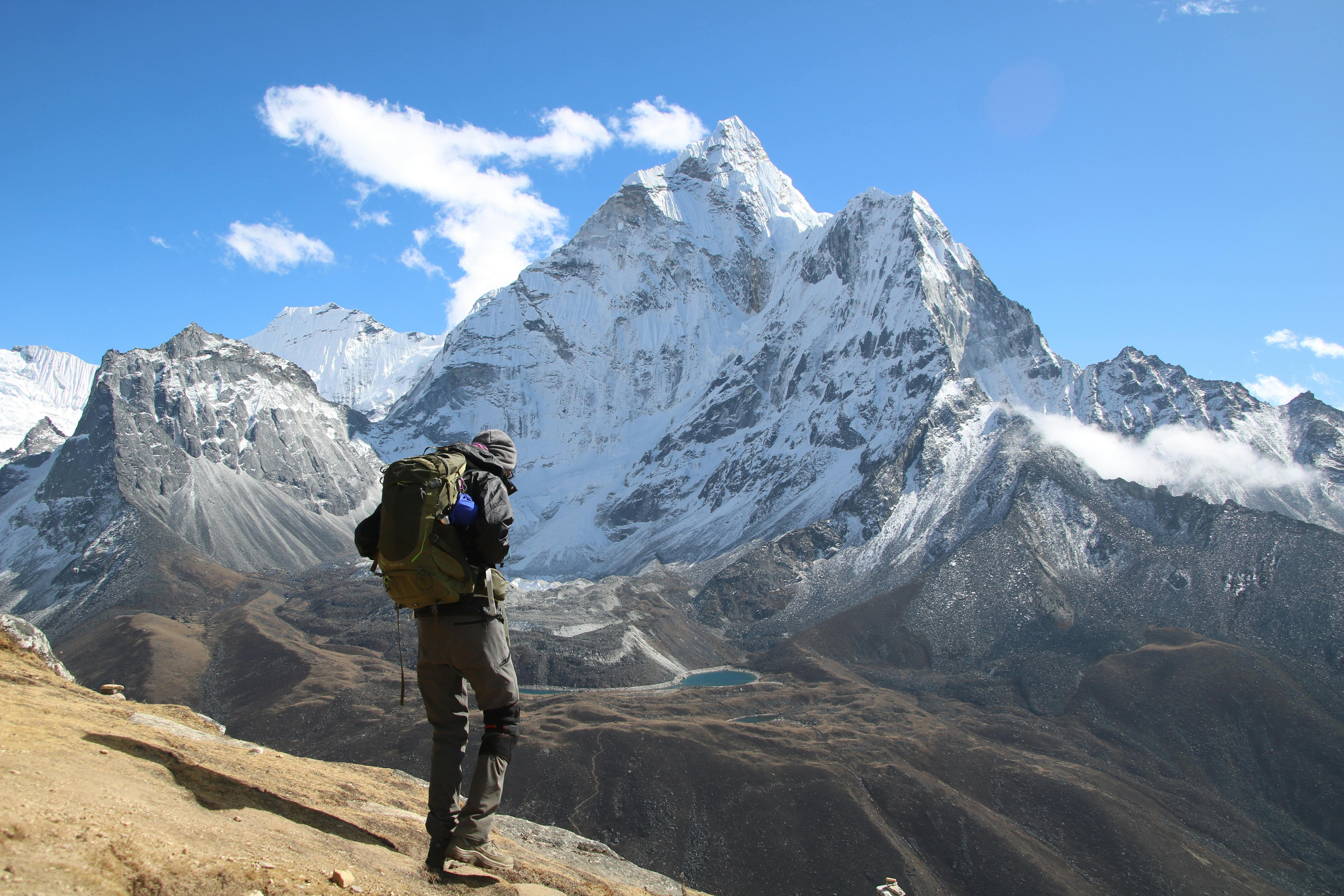
The mountains look calm from a distance, but they have a way of testing every traveler. The Everest High Passes Trek is one of those adventures that pushes both the body and the mind. Every trail, every climb, and every cold morning brings a new challenge. With the right planning and support from Adventure White Himalaya, trekkers can enjoy this amazing journey while staying safe and confident on the trail.
The Trek by the Numbers
This is one of the longest and most demanding treks in the Everest region. Most people complete it in 18 to 21 days, depending on the route and rest days. The total walking distance is around 160 to 170 kilometers. The highest point of the trek is Kongma La Pass at 5,535 meters, followed by Cho La Pass and Renjo La Pass. These numbers may sound exciting, but they also show why good preparation is so important.
High Altitude Can Slow You Down
Many trekkers think long walking hours are the hardest part. In reality, the thin air can be a bigger problem. As you climb higher, your body gets less oxygen. Simple tasks like climbing a small hill or carrying a backpack can feel difficult.
Altitude sickness is a real risk during the Everest High Passes Trek. Headaches, tiredness, and loss of appetite can happen if you climb too fast. This is why experienced guides always suggest slow and steady progress with proper acclimatization days.
Three High Passes, Three Big Tests
The trek includes Kongma La Pass, Cho La Pass, and Renjo La Pass. Each one has its own challenge.
Kongma La is long and steep. The climb can feel endless, especially in cold weather.
Cho La often has icy trails and rocky paths. During some seasons, trekkers may need to cross small glaciers.
Renjo La may be the last pass, but tired legs can make it just as difficult as the first two.
Crossing these mountain passes brings a great feeling of success, but they demand patience and determination.
Weather Changes Without Warning
The weather in the Himalayas can surprise anyone. A bright sunny morning can turn into snowfall by afternoon. Strong winds, cold temperatures, and sudden clouds can change trekking plans.
Trekkers should carry warm clothing, waterproof jackets, gloves, and good hiking boots. Being ready for different weather conditions makes the journey much safer and more comfortable.
Long Days Can Test Your Mind
Physical strength is only part of the adventure. Mental strength is just as important. Walking for many hours every day can become tiring. Some days may feel harder than expected, especially when the trail climbs uphill for hours.
Many trekkers discover that staying positive helps them keep moving. Taking small breaks, enjoying the mountain views, and sharing stories with friends on the trail can make difficult days much easier.
Simple Things Become Difficult
At lower elevations, daily tasks seem easy. High in the mountains, they can become a challenge. Cold water, basic tea houses, limited internet, and simple meals are all part of the experience.
Sometimes the battery in your phone runs out. Sometimes the shower is too cold. These small things teach patience and remind trekkers that the greatest rewards often come from simple living.
Good Planning Makes a Big Difference
A difficult trek becomes much more enjoyable with the right team. Adventure White Himalaya helps travelers with experienced local guides, trekking permits, transportation, accommodation, and careful itinerary planning. Their guides understand the mountain trails and know how to handle changing weather and altitude conditions.
Having local experts by your side allows trekkers to focus on the adventure instead of worrying about logistics. Safety, comfort, and personal support are important parts of every journey.
The Reward Is Worth Every Step
The Everest High Passes Trek is not just about crossing mountains. It is about discovering your own strength. The steep climbs, cold mornings, and long walking days become stories that stay with you for life. Standing among the highest peaks in the world makes every challenge feel meaningful.
Adventure White Himalaya believes that great adventures should be safe, memorable, and filled with local experiences. With trusted guides and complete trekking support, they help travelers turn a difficult mountain journey into an unforgettable achievement. The hidden challenges may test your limits, but the memories and pride you bring home are even greater.

 English
 Arabic
 French
 Spanish
 Portuguese
 Deutsch
 Turkish
 Dutch
Dutch
 Russian
 Romaian
 Portuguese (Brazil)
 Greek
Greek