


Guide to Hair Transplant in Dubai: Results & Recovery
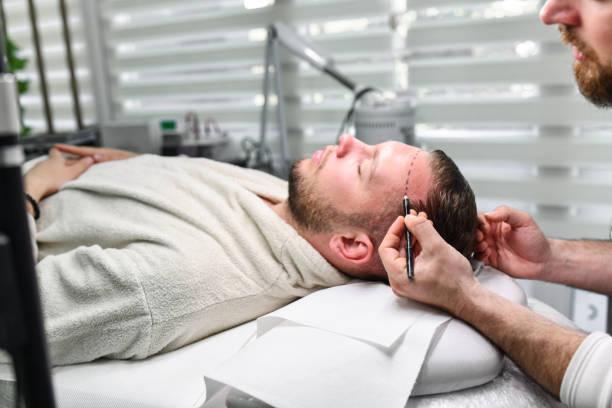
The decision to address thinning hair or a receding hairline is often met with both anticipation and uncertainty. For many, hair loss is not merely an aesthetic concern but a significant factor in daily confidence and self-perception. In a rapidly evolving medical landscape, undergoing a hair transplant in Dubai has become a streamlined, accessible, and highly effective solution for those seeking permanent restoration. By moving healthy follicles from dense areas of the scalp to regions experiencing thinning, modern surgical techniques provide a path to regaining natural hair density. Understanding the nuances of this procedure—from graft selection to the biological recovery process—is the first step toward informed decision-making.
The Science of Hair Restoration
Hair restoration is grounded in the principle of donor dominance. During a procedure, surgeons carefully extract individual follicular units from a donor site, typically the back or sides of the scalp, where hair is genetically resistant to the hormones that cause androgenetic alopecia. These harvested grafts are then meticulously implanted into the recipient areas. Because the transplanted follicles retain their original genetic coding, they continue to grow in their new location, providing a permanent solution to thinning.
The evolution of these techniques has shifted from older, invasive methods to precise, minimally invasive approaches. Today, surgeons utilize advanced instrumentation to ensure that each follicle is placed at the correct depth and angle to mimic the natural direction of your original growth.
Choosing the Right Surgical Technique
Selecting the appropriate method is essential for achieving the density and aesthetic outcomes you desire. The two primary approaches are:
-
Follicular Unit Extraction (FUE): This involves harvesting individual follicular units directly from the scalp. It is favored for leaving minimal, often imperceptible, scarring and allowing for a faster return to daily activities.
-
Direct Hair Implantation (DHI): A variation of FUE, this method utilizes a specialized tool that allows for simultaneous extraction and implantation. It offers high control over the placement and density of the hair grafts.
Both techniques prioritize the health of the donor area while ensuring that the recipient site achieves the desired coverage. Your surgeon will typically evaluate your scalp laxity, hair texture, and the total number of available grafts during your consultation to determine which method aligns best with your specific anatomy.
What to Expect During Recovery
The recovery period for a modern hair transplant is significantly shorter than many patients anticipate. Understanding the timeline helps in managing expectations and planning your professional and personal schedule.
-
Days 1–3: You may experience mild swelling or discomfort, which is typically managed with prescribed medications. It is crucial to keep the scalp clean and avoid touching or rubbing the newly implanted grafts.
-
Days 4–14: The grafts begin to anchor firmly into the scalp. Small scabs may form around the implantation sites, which will naturally shed within the first two weeks.
-
Weeks 2–4: Most patients return to their full daily routines, including office work. You will begin to notice the shedding of the hair shafts themselves—this is a normal part of the process, as the underlying follicles are entering a resting phase before new growth begins.
Managing Post-Procedure Sensations
It is common to feel a sense of tightness or mild numbness in the donor area during the first few days. This is a temporary response to the surgical extraction and typically resolves as the skin heals. Ensuring proper hydration and avoiding strenuous physical exertion for the first week allows your body to focus energy on the integration of the grafts.
Long-Term Results and Maintenance
The durability of a hair transplant is one of its greatest advantages. Since the donor follicles are resistant to thinning, the results are designed to last a lifetime. However, it is important to understand that while the transplanted hair is permanent, the rest of your natural hair remains subject to normal aging processes.
Many patients benefit from a multimodal approach to hair health. This may include:
-
Consistency in Care: Maintaining a healthy scalp environment to support existing hair.
-
Follow-Up Assessments: Monitoring the density of the surrounding non-transplanted hair to ensure uniform coverage.
-
Complementary Treatments: In some cases, your specialist may recommend non-surgical supportive therapies to stabilize hair density in areas where thinning has not yet progressed to complete loss.
Frequently Asked Questions
How long until I see full results?
While you will notice the new hair starting to sprout around the 3 to 4-month mark, the final aesthetic result, including full density and maturity of the hair shafts, is usually visible between 12 and 18 months post-procedure.
Is the procedure painful?
Local anesthesia is used to ensure the scalp is completely numb during the surgery. Most patients report feeling only minor pressure during the process and find the recovery to be very manageable with standard over-the-counter or prescribed care.
Can anyone get a hair transplant?
The ideal candidate has a stable donor area and a clear understanding of their hair loss progression. A professional evaluation is necessary to determine if you have sufficient graft availability to meet your coverage goals.
Will the transplanted hair fall out again?
No. The hair follicles harvested from the donor site are genetically programmed to resist the effects of DHT, the primary hormone responsible for pattern hair loss. Once they take root in the recipient area, they maintain this resistance permanently.
How do I prepare for the day of surgery?
You will be provided with specific pre-operative guidelines, which generally include avoiding alcohol and blood-thinning medications in the days leading up to the procedure. Ensuring you are well-rested is the best way to support your body's healing response.
Achieving natural-looking, permanent results requires a blend of artistic precision and technical surgical expertise. By consulting with the specialists at Tajmeels Clinic, you can receive a personalized assessment and a tailored treatment plan designed to restore your natural hairline with the highest standards of safety and care.

 English
 Arabic
 French
 Spanish
 Deutsch
 Turkish
 Dutch
Dutch
 Italiano
 Russian
 Romaian
 Portuguese (Brazil)
 Greek
Greek