


How Patient Scheduling Software Is Transforming Healthcare Access
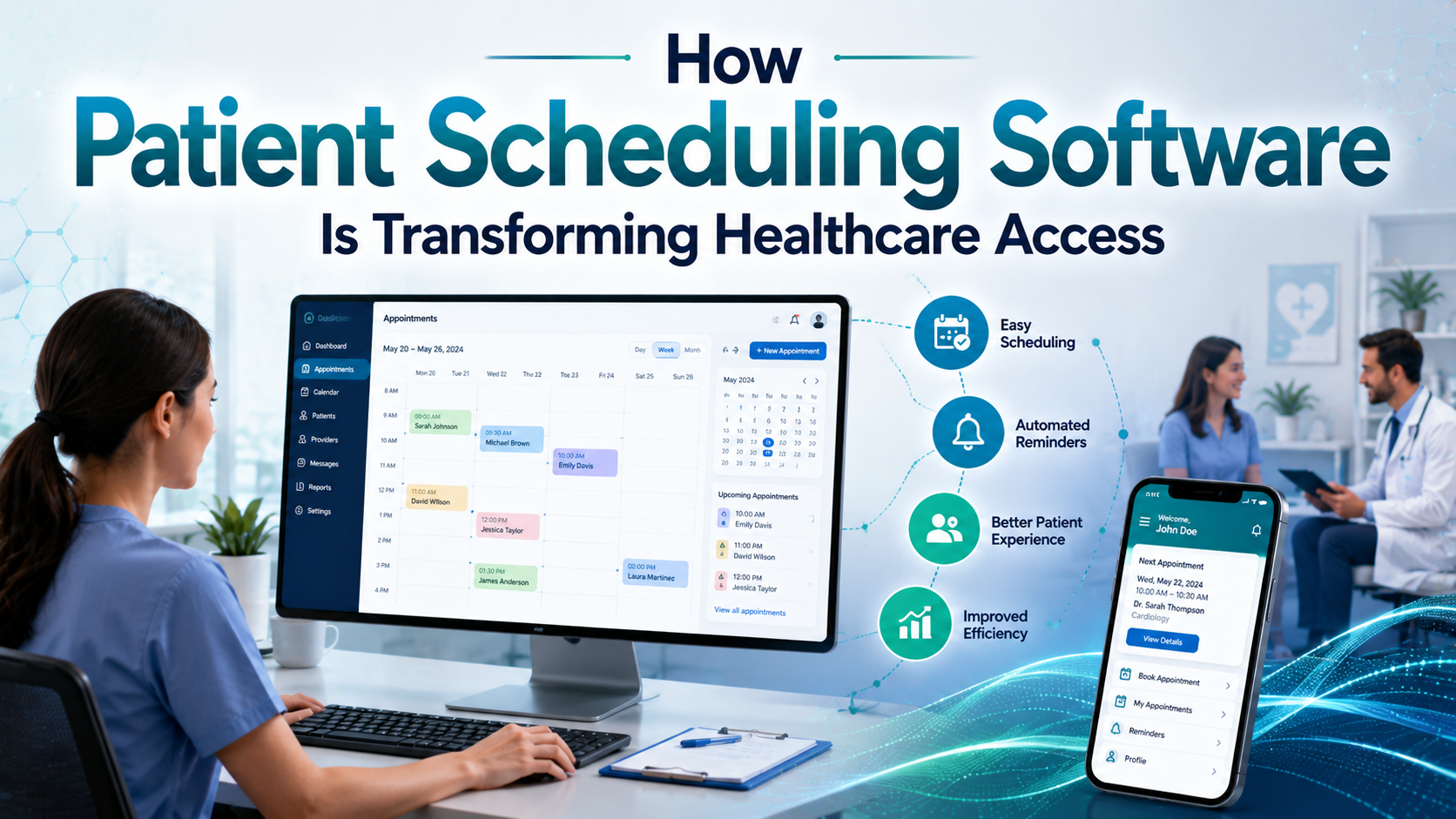
Patient scheduling software has become a vital component of modern healthcare operations, helping providers manage appointments, reduce administrative workloads, and improve the overall patient experience. As healthcare organizations continue to embrace digital transformation, scheduling platforms are evolving from basic calendar tools into integrated solutions that connect patients, physicians, and administrative teams through a unified workflow.
The increasing demand for accessible and efficient healthcare services has also accelerated the adoption of digital scheduling systems. Hospitals, specialty clinics, and independent practices are seeking technologies that simplify appointment management while minimizing delays and communication gaps. These platforms not only streamline front-desk operations but also support better resource allocation across healthcare facilities.
Growing Demand for Digital Healthcare Workflows
The healthcare industry has witnessed a significant shift toward automation and data-driven decision-making. Digital scheduling tools fit naturally into this transition by replacing manual booking methods with centralized platforms that can manage appointments across multiple departments and locations. The integration of cloud technology, mobile applications, and patient portals allows users to schedule or modify appointments without relying on traditional phone-based systems.
According to a study published by MarkNtel Advisors, the Patient Scheduling Software Market was valued at around USD 0.41 billion in 2024 and is projected to reach USD 1.52 billion by 2030, expanding at a CAGR of approximately 12.82% during 2025–2030. The report attributes this growth to the rising need for operational efficiency and the increasing prevalence of chronic health conditions. This data highlights how healthcare providers are prioritizing digital scheduling solutions to manage growing patient volumes effectively.
Why Healthcare Providers Are Investing in Scheduling Platforms
One of the primary reasons for the increasing adoption of patient scheduling software is its ability to reduce operational bottlenecks. Manual appointment booking often leads to scheduling conflicts, data entry errors, and missed opportunities to optimize physician availability. Automated systems help eliminate these inefficiencies by providing real-time visibility into provider schedules and appointment slots.
Another important advantage is the reduction of missed appointments through automated reminders delivered via text messages, emails, or mobile notifications. These features help improve attendance rates while lowering the administrative burden associated with manual follow-ups. Healthcare organizations also benefit from better patient engagement, as individuals can conveniently reschedule or cancel appointments without lengthy phone interactions.
The growing integration of artificial intelligence and machine learning capabilities is also influencing the development of advanced scheduling platforms. Intelligent scheduling algorithms can recommend optimal appointment times, predict cancellations, and support capacity planning, enabling healthcare providers to improve resource utilization.
The Role of AI and Automation in Modern Scheduling
Artificial intelligence is reshaping the way healthcare organizations approach appointment management. AI-powered systems can analyze historical scheduling data to identify patterns, forecast demand, and recommend efficient booking strategies. These insights help reduce patient wait times while balancing workloads across medical staff.
Many modern platforms are also integrating with electronic health records (EHRs), telehealth applications, and billing systems to create a seamless digital ecosystem. This interconnected approach allows patient information to flow securely between departments, reducing repetitive data entry and enhancing continuity of care. As healthcare providers increasingly focus on interoperability, scheduling software is becoming an essential link within the broader health IT infrastructure.
The trend toward virtual healthcare services further support the adoption of digital scheduling solutions. Telemedicine consultations require flexible and automated booking capabilities, enabling patients to schedule in-person or virtual appointments based on their preferences and clinical needs. This flexibility is particularly valuable for chronic disease management and routine follow-up consultations.
Regional Trends and Expanding Adoption
Digital health maturity varies across global regions, but investment in patient scheduling technologies continues to grow as healthcare systems modernize. North America currently represents a leading regional landscape due to its established digital infrastructure, high healthcare technology adoption, and ongoing investments in healthcare automation. Large hospital networks and integrated healthcare organizations are increasingly implementing centralized scheduling platforms to coordinate complex patient journeys.
Emerging markets are also creating opportunities for software adoption as governments and healthcare providers invest in digital health initiatives. Expanding internet connectivity, smartphone penetration, and cloud-based software availability are making advanced scheduling solutions more accessible to smaller clinics and regional healthcare networks. The broader movement toward patient-centered care is encouraging providers worldwide to adopt technologies that improve convenience and transparency.
Competitive Landscape and Industry Innovation
The patient scheduling software ecosystem includes a combination of established healthcare technology companies and specialized software providers. According to the MarkNtel Advisors report, key participants include Tebra Technologies, Inc., NXGN Management, LLC, Epic Systems Corporation, Oracle, Networking Technology, Inc. dba RXNT, Docpulse, Q-Matic AB, AdvancedMD, Inc., Certify Health, Athenahealth, Inc., Calendly, Reservio, Solutionreach, Inc., and Kyruss Inc. These organizations continue to enhance their offerings by incorporating automation, analytics, and cloud-based deployment models.
Innovation in this sector increasingly revolves around user experience and interoperability. Vendors are focusing on intuitive interfaces, mobile accessibility, and seamless integration with existing healthcare management systems. The inclusion of predictive analytics and AI-driven scheduling capabilities is also creating new opportunities to optimize patient flow and operational efficiency.
The Future of Patient Scheduling Software
The future of patient scheduling software is closely tied to the broader digital transformation of healthcare delivery. As healthcare organizations manage rising patient volumes and increasing administrative complexity, automated scheduling platforms are expected to play a more strategic role in supporting efficient operations and better patient outcomes.
Growing adoption of AI-enabled scheduling, integrated health information systems, and digital patient engagement tools suggests that these platforms will continue evolving beyond appointment management. Instead, they are likely to become intelligent coordination hubs that connect patients with healthcare services more efficiently while supporting providers in delivering timely and personalized care. As the healthcare industry advances, patient scheduling software will remain an important foundation for accessible, connected, and data-driven healthcare experiences.

 Arabic
 French
 Spanish
 Portuguese
 Deutsch
 Turkish
 Dutch
Dutch
 Italiano
 Russian
 Romaian
 Portuguese (Brazil)
 Greek
Greek