


Why Two Wheeler Engine Oil Demand Is Rising Across Southeast Asia
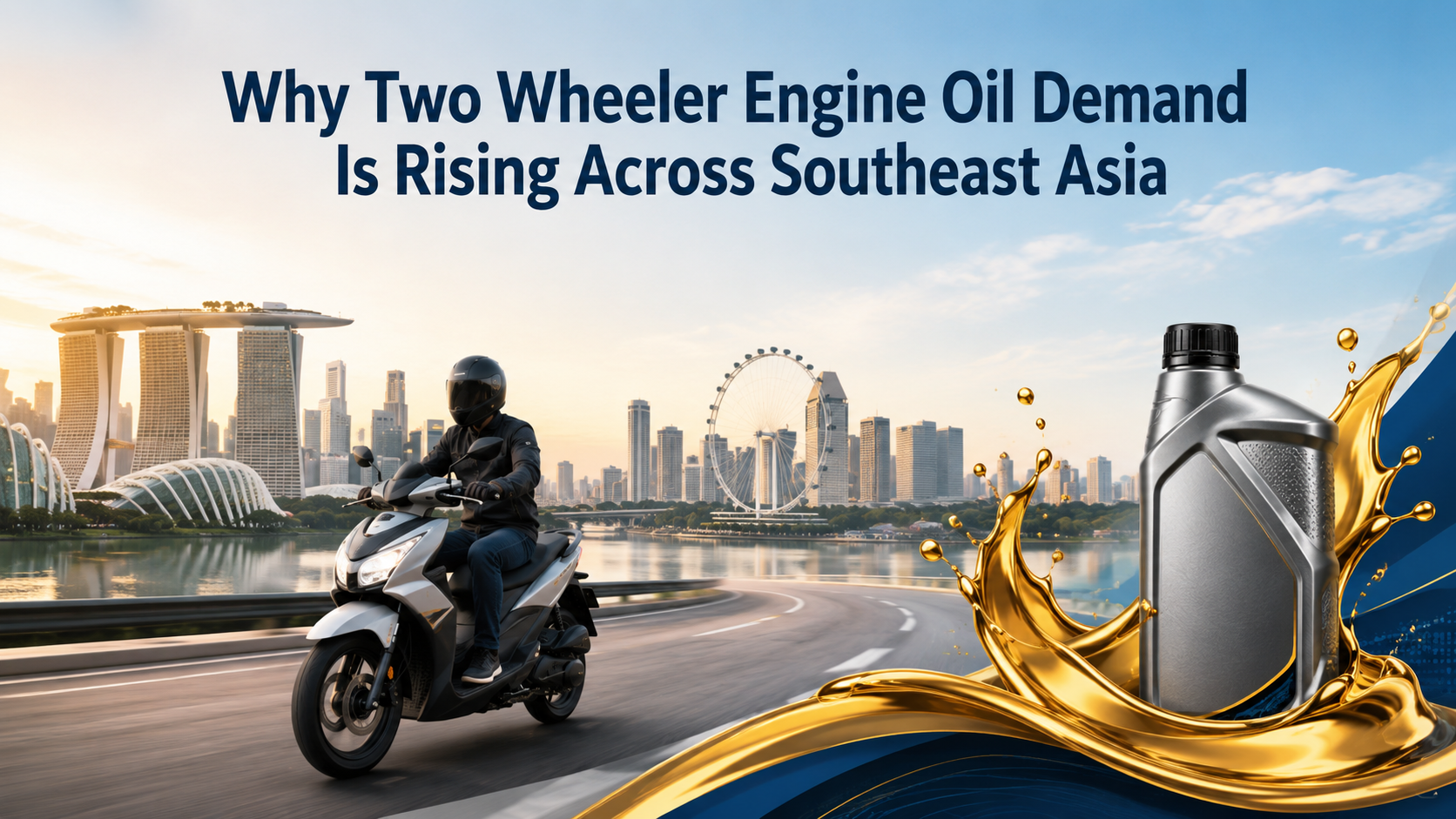
Two wheeler engine oil plays a vital role in maintaining motorcycle and scooter performance, especially in regions where two-wheelers serve as a primary mode of transportation. Across Southeast Asia, increasing urbanization, rising vehicle ownership, and heavy daily commuting have created sustained demand for high-quality lubricants that enhance engine efficiency and longevity.
The region continues to witness strong growth in two-wheeler usage due to traffic congestion, affordability, and accessibility. According to insights from the Southeast Asia two wheeler engine oil analysis, lubricant manufacturers are focusing on advanced formulations that improve engine protection while meeting the evolving expectations of riders and vehicle manufacturers.
Growing Two Wheeler Ownership Supports Lubricant Consumption
The expansion of the two-wheeler fleet remains one of the most influential factors driving lubricant demand in Southeast Asia. Motorcycles and scooters are widely preferred in countries such as Indonesia, Vietnam, Thailand, and the Philippines because they provide cost-effective mobility solutions in densely populated urban centers.
As per a study published by MarkNtel Advisors, the Southeast Asia Two Wheeler Engine Oil sector is projected to grow at a CAGR of around 4.9% during 2024-2030. The report also highlights that the region accounted for more than a quarter of the global operational two-wheeler fleet in 2023, reinforcing its importance for lubricant suppliers and aftermarket service providers.
An expanding vehicle base directly translates into recurring oil replacement cycles. Unlike many automotive components, engine oil requires routine maintenance, creating a stable and recurring revenue stream for lubricant manufacturers throughout the region.
Shift Toward High-Performance Lubricants Is Transforming the Industry
Consumer preferences are gradually moving beyond conventional lubrication products. Riders increasingly seek engine oils that improve fuel efficiency, reduce engine wear, and provide better thermal stability during long-distance travel and challenging weather conditions.
Synthetic and semi-synthetic lubricants have gained attention because they offer superior protection compared with traditional mineral oils. Synthetic formulations help maintain engine cleanliness, reduce friction, and support smoother vehicle operation, making them particularly attractive for modern motorcycles equipped with advanced engine technologies.
The growing awareness of preventive vehicle maintenance has also encouraged users to choose premium lubricant products. As riders become more informed about engine health and long-term ownership costs, demand for performance-oriented oils continues to strengthen across the region.
Manufacturing Expansion Creates New Opportunities
Southeast Asia has emerged as a significant manufacturing hub for motorcycles and scooters. Several global and regional vehicle manufacturers continue to expand production facilities to meet both domestic and export demand. This development creates additional opportunities for engine oil suppliers through factory-fill partnerships and aftermarket distribution networks.
The establishment of new manufacturing units not only increases vehicle output but also strengthens associated service ecosystems. Dealership networks, maintenance centers, and independent workshops contribute to sustained lubricant consumption throughout the vehicle lifecycle.
OEM-recommended lubricants are becoming increasingly important as manufacturers emphasize engine performance, emissions compliance, and warranty protection. This trend encourages lubricant companies to develop products aligned with evolving technical specifications.
Indonesia Remains a Key Growth Hub
Among Southeast Asian countries, Indonesia continues to represent one of the most promising growth centers for two-wheeler engine oils. The country's large population, widespread motorcycle ownership, and extensive commuting culture contribute to consistent lubricant demand.
Strong vehicle sales and a vast operational fleet create favorable conditions for both multinational and domestic lubricant brands. The country's well-established distribution infrastructure further supports market penetration across urban and rural regions. According to the report, Indonesia is expected to present significant growth opportunities during the forecast period.
Other regional markets are also witnessing increasing demand as economic development improves purchasing power and transportation accessibility. These factors collectively contribute to a favorable environment for lubricant manufacturers operating in Southeast Asia.
Technology and Innovation Continue to Influence Product Development
Advancements in lubricant technology are reshaping product offerings across the region. Manufacturers are investing in research and development to create engine oils capable of delivering longer drain intervals, improved fuel economy, and enhanced engine protection.
Modern additives and formulation technologies help lubricants perform effectively under varying operating conditions. Industry-wide innovation in engine oils has focused on reducing friction, improving thermal management, and extending component life, supporting broader developments in vehicle efficiency and maintenance practices.
Digital engagement is also influencing purchasing behavior. Consumers increasingly rely on online reviews, technical recommendations, and manufacturer guidance when selecting lubricant products, encouraging brands to strengthen product transparency and technical communication.
Future Outlook for Southeast Asia’s Lubricant Industry
The outlook for Southeast Asia's two wheeler engine oil landscape remains closely linked to the region's mobility patterns and vehicle ownership trends. Continued urban expansion, rising commuter populations, and the growing preference for reliable transportation solutions are expected to support lubricant demand over the coming years.
Although electric two-wheelers may gradually influence the broader transportation ecosystem, conventional motorcycles and scooters are expected to remain an important part of Southeast Asia's mobility infrastructure for the foreseeable future. This dynamic creates ongoing opportunities for lubricant manufacturers to innovate, differentiate their offerings, and address changing consumer expectations while supporting long-term engine performance and reliability.

 English
 Arabic
 French
 Spanish
 Portuguese
 Deutsch
 Turkish
 Dutch
Dutch
 Italiano
 Russian
 Romaian
 Portuguese (Brazil)