


Why Cool Roofs Are Becoming a Smart Investment Across the GCC
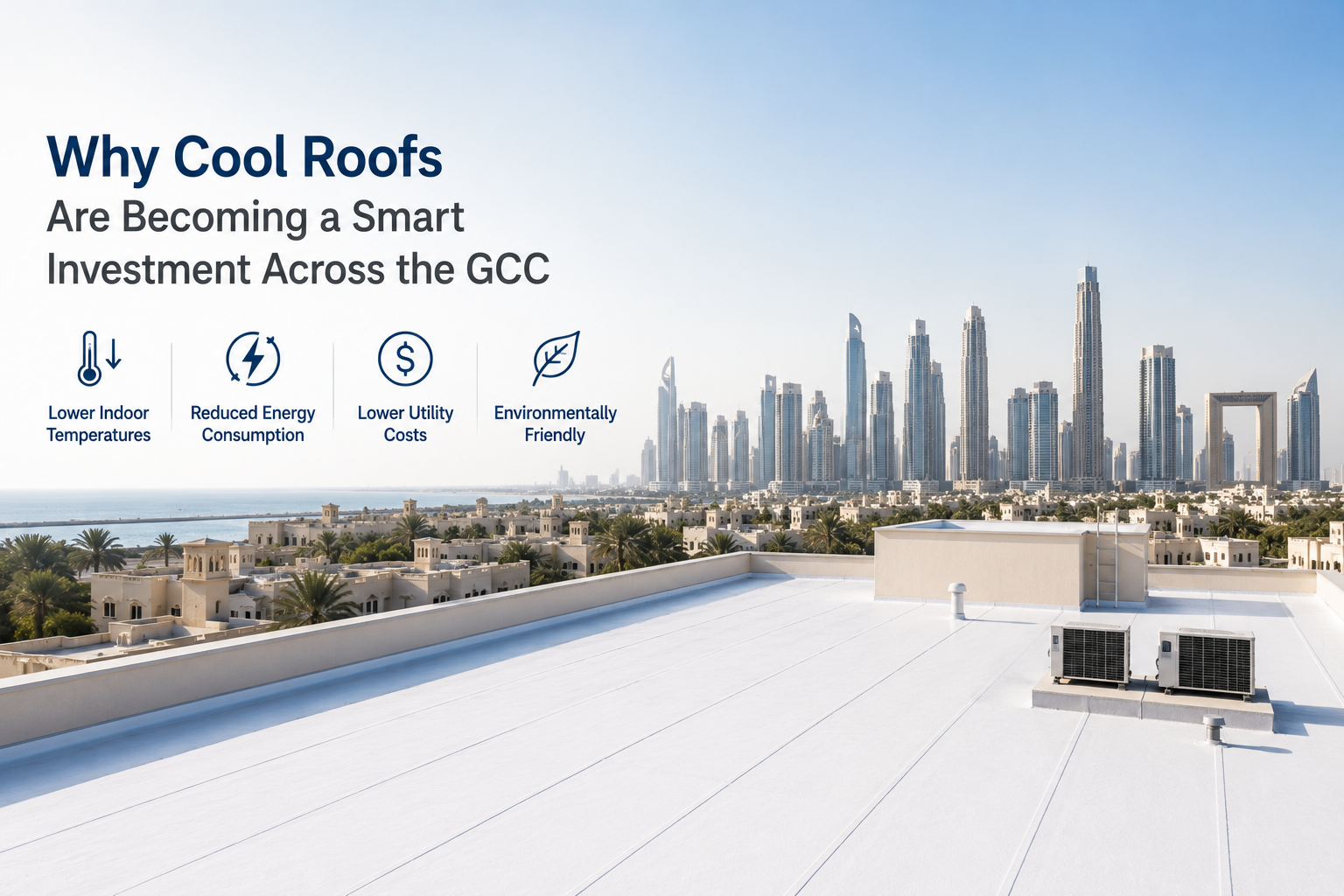
The Gulf Cooperation Council (GCC) region is known for its extreme temperatures, long summers, and growing urban development. As cities continue to expand and energy consumption rises, governments, businesses, and property owners are increasingly seeking solutions that improve energy efficiency while supporting sustainability goals. Among the most effective building technologies gaining momentum in the region are cool roofs—specialized roofing systems designed to reflect more sunlight and absorb less heat than conventional roofs.
According to a study published by MarkNtel Advisors, the GCC Cool Roof Market was valued at around USD 2.98 billion in 2025 and is projected to reach approximately USD 8.28 billion by 2032, growing at a CAGR of about 15.72% during 2026–2032. Detailed insights can be be found in this GCC roofing industry analysis, which highlights the key trends driving adoption across the region. The report also notes that Saudi Arabia accounted for nearly 37% of the market share in 2025, making it the leading contributor to regional demand.
Understanding the Concept of Cool Roofs
Cool roofs are designed using highly reflective materials, coatings, or membranes that reduce heat absorption from sunlight. Unlike traditional roofing systems that can become extremely hot under direct sun exposure, cool roofs help maintain lower surface temperatures.
By reflecting solar radiation and enhancing thermal performance, these roofing systems can significantly reduce the amount of heat transferred into buildings. This leads to lower indoor temperatures and reduced dependence on air conditioning systems, making them particularly valuable in hot climates such as those found across the GCC.
As energy efficiency becomes a growing priority, cool roofs are increasingly viewed as a practical solution for residential, commercial, and industrial buildings.
Rising Energy Costs Are Driving Adoption
Cooling systems account for a substantial share of electricity consumption across Gulf countries. High temperatures often require air conditioning systems to operate continuously for extended periods, resulting in significant energy usage.
Cool roofs help reduce cooling demand by minimizing heat gain within buildings. Lower energy consumption not only reduces utility costs but also supports broader efforts to improve energy efficiency across urban environments.
Organizations such as the International Energy Agency (IEA) have highlighted the role of energy-efficient building technologies in reducing electricity demand and supporting sustainable urban development. As energy management becomes increasingly important, cool roof solutions are gaining greater attention among developers and property owners.
Supporting Sustainability and Climate Goals
Sustainability initiatives are becoming a major focus throughout the GCC. Governments are implementing ambitious strategies aimed at reducing carbon emissions, improving resource efficiency, and promoting greener construction practices.
Cool roofs contribute directly to these objectives by lowering building energy consumption and reducing greenhouse gas emissions associated with cooling systems. Their ability to mitigate urban heat island effects also helps improve environmental conditions in densely populated areas.
The importance of energy-efficient buildings aligns with recommendations from the United Nations Environment Programme (UNEP), which advocates for sustainable construction practices that enhance climate resilience and reduce environmental impacts.
As sustainability regulations evolve, demand for advanced roofing technologies is expected to continue increasing.
Saudi Arabia Leads Regional Growth
Saudi Arabia's position as the largest market contributor reflects the scale of its construction and infrastructure activities. The Kingdom continues to invest heavily in residential developments, commercial projects, industrial facilities, and mega-city initiatives under its economic diversification programs.
Large-scale projects such as smart cities, tourism developments, and urban expansion plans are creating substantial opportunities for energy-efficient building materials, including cool roof systems.
As developers seek to meet sustainability standards and improve building performance, cool roofing technologies are becoming an increasingly common feature in new construction projects across the country.
Green Building Standards Are Encouraging Innovation
The construction industry is experiencing a shift toward greener and more sustainable building practices. Architects, engineers, and developers are increasingly integrating energy-efficient solutions into building designs to comply with evolving regulations and certification requirements.
Cool roofs play an important role in green building programs by helping improve energy performance ratings and reducing operational costs over a building's lifecycle. Their compatibility with various building types makes them an attractive option for both new developments and retrofit projects.
The World Green Building Council continues to emphasize the importance of high-performance building materials in creating healthier, more sustainable urban environments.
Technological Advancements Are Improving Performance
Modern cool roof systems are benefiting from ongoing advancements in material science and coating technologies. Manufacturers are developing innovative products with improved solar reflectance, enhanced durability, and greater resistance to harsh environmental conditions.
These improvements are particularly important in the GCC, where roofing systems must withstand intense sunlight, dust exposure, and temperature fluctuations. New-generation coatings and membranes are designed to maintain performance over longer periods while requiring minimal maintenance.
As technology continues to evolve, cool roofs are becoming more efficient, reliable, and cost-effective for a wider range of applications.
Growing Demand Across Commercial and Industrial Sectors
While residential adoption continues to expand, commercial and industrial facilities represent significant growth opportunities for the cool roof market. Warehouses, manufacturing facilities, shopping centers, office buildings, and logistics hubs often have large roof areas exposed to direct sunlight.
Installing cool roofing systems can help these facilities reduce cooling costs and improve operational efficiency. Businesses are increasingly recognizing the long-term financial benefits associated with energy savings and reduced building maintenance requirements.
This trend is expected to support continued market expansion as organizations prioritize sustainability and cost optimization strategies.
Conclusion
The GCC cool roof market is experiencing strong momentum as governments, developers, and property owners focus on energy efficiency and sustainable construction practices. Rising temperatures, increasing electricity demand, and ambitious environmental goals are creating favorable conditions for the adoption of advanced roofing technologies.
With significant investments in infrastructure development, growing awareness of sustainable building solutions, and continuous technological innovation, cool roofs are becoming an essential component of modern construction across the Gulf region. As demand for energy-efficient buildings continues to rise, the market is poised to play a vital role in shaping the future of sustainable urban development throughout the GCC.

 English
 Arabic
 French
 Spanish
 Portuguese
 Deutsch
 Turkish
 Dutch
Dutch
 Italiano
 Russian
 Portuguese (Brazil)
 Greek
Greek