Have you ever wondered why a game released over a decade ago can still make players jump out of their seats? Despite countless horror releases, Fnaf continues to attract millions of players worldwide. From its unsettling atmosphere to its unpredictable animatronics, the franchise remains one of gaming's most effective horror experiences. Even in 2026, new players are discovering why five nights at freddy's refuses to lose its terrifying edge.
Why Does Five Nights at Freddy's Still Feel Scary?
The reason Fnaf remains frightening is simple: it relies on psychological horror rather than graphic violence. The game makes players feel vulnerable from the very first night.
Unlike many modern horror titles, Fnaf traps players in a confined environment. You cannot run away. You cannot fight back. Your only defense is careful observation and resource management.
The Fear of Limited Control
One of the greatest strengths of Fnaf is how powerless players feel.
When playing as the night guard, you spend most of your time checking cameras and managing electricity. Every decision matters. Every second feels important.
This lack of control creates tension that few horror games can match.
Jump Scares Still Work
Many games overuse the jump scare. However, Fnaf uses it differently.
The jump scare is not the source of fear. Instead, it serves as the payoff for several minutes of growing anxiety.
Players spend their time expecting danger. When it finally arrives, the reaction feels genuine.
The Sound Design Creates Constant Tension
Audio plays a major role in Fnaf.
Footsteps, mechanical movements, and distant noises force players to stay alert. Sometimes a simple sound can create more fear than any visual effect.
This design choice remains effective even by 2026 standards.
How Have the Animatronics Evolved Over Time?
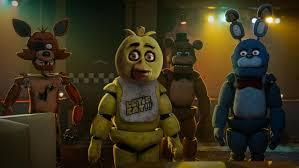
The animatronics are the heart of Fnaf. Their evolution has helped keep the franchise fresh while preserving its identity.
From the original cast to modern versions, every generation introduces new fears.
Freddy Fazbear Remains an Icon
Few horror characters are as recognizable as Freddy Fazbear.
What makes Freddy effective is his appearance. He looks friendly at first glance. Yet something always feels wrong.
That contrast creates discomfort. Players know they should not trust him, even before the game explains why.
New Characters Added New Layers of Horror
As the series expanded, more animatronics joined the roster.
Characters introduced in games like Sister Location and Security Breach brought unique mechanics and behaviors.
Instead of repeating old ideas, Fnaf explored different ways to create fear.
Smarter AI Creates Greater Uncertainty
Modern entries use more advanced behavior systems.
Players can no longer rely on memorizing simple patterns. The animatronics feel less predictable.
That uncertainty helps Fnaf stay relevant among newer horror titles.
How Does Fnaf Compare to Modern Horror Games?
Yes, Fnaf still competes well against modern horror games. Its approach differs from current trends, which helps it stand out.
Many recent horror games focus on exploration, realistic graphics, and cinematic storytelling.
Fnaf focuses on tension.
| Feature |
Fnaf |
Typical Modern Horror Game |
| Gameplay Style |
Survival monitoring |
Exploration and escape |
| Main Fear Source |
Psychological tension |
Environmental threats |
| Combat |
None |
Often included |
| Jump Scares |
Strategic |
Frequently used |
| Replayability |
High |
Moderate |
| Resource Management |
Core mechanic |
Often limited |
Simplicity Makes It Timeless
Many horror games become outdated when graphics age.
Fnaf depends more on game design than visuals.
The original title still creates fear because its mechanics remain effective.
Community Engagement Keeps It Alive
Another reason Fnaf thrives is its community.
Fans constantly discuss theories, hidden clues, and story connections. This ongoing conversation keeps older games relevant.
New players often enter the franchise after watching theory videos or gameplay streams.
Why Does the Story Continue to Fascinate Players?
The mystery behind Fnaf is one of its biggest strengths. Players remain invested because the story rarely provides simple answers.
The franchise encourages investigation and interpretation.
Scott Cawthon Built a Unique Horror Universe
Creator Scott Cawthon transformed a small indie project into a global phenomenon.
Rather than presenting the entire story directly, he scattered clues throughout the games.
This approach rewards curiosity and attention to detail.
Hidden Lore Encourages Exploration
Every Fnaf game contains secrets.
Players search for newspaper clippings, hidden minigames, and cryptic messages. These details gradually reveal more about the franchise's dark history.
The process feels like solving a mystery.
Security Breach Expanded the World
Security Breach introduced a larger environment and new gameplay systems.
While opinions differed regarding its direction, the game successfully expanded the universe.
It showed that Fnaf could evolve while maintaining its recognizable identity.
The Franchise Continues to Grow
Today, Fnaf exists beyond video games.
The series includes books, merchandise, and film adaptations. Each addition attracts new fans while giving existing players more content to explore.
This growth helps ensure the franchise remains relevant.
The Elements That Make Fnaf Unique
Several factors separate Fnaf from other horror franchises:
- Limited player control increases tension.
- Strong audio design creates constant anxiety.
- Animatronics feel memorable and threatening.
- Hidden lore encourages community discussion.
- Strategic jump scare placement remains effective.
- Simple mechanics create long-term replayability.
- The franchise continuously introduces fresh ideas.
Together, these elements explain why Fnaf continues to attract players in 2026.
What Can New Players Expect in 2026?
New players may assume Fnaf feels outdated. Most are surprised by how effective it remains.
The core gameplay still generates stress and excitement.
The first few nights appear manageable. Then the pressure begins to build.
Soon, every camera check matters. Every sound becomes suspicious. Every mistake feels costly.
That experience remains just as engaging today as it was years ago.
Players looking for realistic graphics may find newer games more visually impressive. However, those seeking genuine tension will discover that Fnaf still delivers.
The franchise proves that good horror design does not depend on cutting-edge technology.
Conclusion
More than a decade after its debut, five nights at freddy's remains one of gaming's most influential horror franchises. Through clever design, memorable animatronics, and a fascinating mystery, Fnaf continues to scare both veterans and newcomers.
Whether you're revisiting Freddy Fazbear, exploring Security Breach, or experiencing the series for the first time, the fear remains surprisingly effective. If you haven't played recently, now is the perfect time to see why Fnaf is still terrifying in 2026.
FAQ
Is Fnaf still popular in 2026?
Yes. Fnaf continues to maintain a large player base thanks to new content, active fan communities, streaming platforms, and ongoing discussions about its lore.
Why is Fnaf considered scary despite simple gameplay?
The game creates fear through tension, uncertainty, sound design, and limited player control. These elements remain effective regardless of graphical advancements.
Which Fnaf game is best for beginners?
The original Five Nights at Freddy's is often the best starting point. It introduces the core mechanics, key characters, and foundational story elements of the franchise.




 English
 Arabic
 French
 Spanish
 Portuguese
 Deutsch
 Turkish
 Dutch
Dutch
 Italiano
 Russian
 Portuguese (Brazil)
 Greek
Greek