


Choosing the Right Injection Grouting Contractors for Your Project
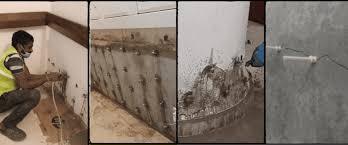
Water leakage is one of the most common problems affecting residential, commercial, industrial, and infrastructure structures. Continuous water seepage can weaken concrete, corrode reinforcement, damage finishes, and reduce the overall service life of a structure. When water enters through cracks, joints, construction gaps, or underground surfaces, immediate action becomes necessary to prevent further deterioration. PU grouting has emerged as one of the most effective and long-lasting methods for controlling active water leakage. The process involves injecting specialized polyurethane materials into cracks and voids where they expand, seal openings, and create a waterproof barrier. This advanced repair technique is widely used in basements, tunnels, retaining walls, water tanks, lift pits, foundations, and underground structures where conventional waterproofing methods may not provide lasting results.
Understanding PU Injection Grouting Technology
PU injection grouting is a specialized waterproofing and repair process that involves injecting polyurethane resin under pressure into cracks, joints, and voids within concrete or masonry structures. Once injected, the resin reacts with moisture and expands significantly, filling gaps and preventing further water ingress.
The technology is particularly effective for active leaks where water is flowing through cracks. Unlike surface waterproofing systems that only treat visible areas, polyurethane injection penetrates deep into the affected zones. This enables the repair process to target the source of leakage rather than simply covering the symptoms. As a result, structures gain improved durability and long-term protection against moisture-related damage.
Why Water Leakage Requires Immediate Attention
Many property owners underestimate the impact of minor water seepage until significant damage becomes visible. Moisture penetration can gradually affect structural elements, leading to deterioration that becomes increasingly expensive to repair over time. Water can weaken concrete, accelerate steel corrosion, and create conditions favorable for mold growth.
Ignoring leakage can also affect operational efficiency in industrial facilities, commercial buildings, and infrastructure projects. Persistent water infiltration may damage equipment, electrical systems, and interior finishes. Addressing leakage through crack injection waterproofing methods such as PU grouting helps eliminate these risks while extending the lifespan of the structure.
How PU Grouting Works
The PU grouting process begins with a detailed inspection of the affected area. Engineers identify the source of leakage, crack patterns, and structural conditions before selecting the appropriate polyurethane material. Injection ports are installed along the crack line, and specialized pumps are used to inject resin under controlled pressure.
As the polyurethane resin enters the crack network, it reacts with water and expands to fill voids completely. The expanding material forms a flexible and watertight seal that prevents further water penetration. This process is highly effective because it addresses hidden pathways through which water travels, creating comprehensive waterproofing from within the structure itself.
Key Benefits of PU Injection Grouting
One of the biggest advantages of polyurethane grouting is its ability to stop active water leaks without requiring extensive demolition or excavation. Repairs can often be completed quickly, minimizing disruption to building operations and reducing downtime in industrial environments.
Another important benefit is flexibility. The cured polyurethane material can accommodate minor structural movements without cracking or losing its sealing properties. This makes the solution suitable for structures exposed to vibrations, temperature changes, and settlement. Additionally, PU grouting provides excellent adhesion to concrete surfaces, ensuring durable and reliable performance over extended periods.
Applications of PU Grouting in Construction
PU grouting is widely used across various sectors of the construction industry. It is particularly effective for repairing leaking basements, underground parking areas, lift pits, tunnels, retaining walls, and water-retaining structures. The method is also commonly applied in infrastructure projects where water ingress can compromise operational safety and structural integrity.
In industrial facilities, PU injection grouting is frequently used to seal cracks in concrete floors, process areas, and underground utility corridors. Commercial buildings benefit from the technology by eliminating seepage problems that affect interior spaces. The versatility of the process makes it one of the most sought-after solutions for concrete waterproofing and leakage control.
Common Causes of Concrete Leakage
Concrete structures can develop leakage issues due to various factors. Shrinkage cracks, construction joints, thermal movement, foundation settlement, and poor waterproofing practices often create pathways for water intrusion. Over time, environmental exposure can worsen these defects, increasing the severity of leakage.
Groundwater pressure is another major contributor to seepage problems in basements and underground structures. When hydrostatic pressure builds up behind walls or slabs, water seeks the path of least resistance and penetrates through existing cracks or weak points. PU grouting effectively addresses these challenges by sealing water pathways and restoring watertight performance.
PU Grouting Versus Traditional Waterproofing Methods
Traditional waterproofing systems typically involve applying membranes, coatings, or surface treatments. While these methods can be effective in certain situations, they may not address active leaks originating deep within structural elements. Surface repairs often require extensive preparation and may fail if the underlying cause remains unresolved.
In contrast, injection grouting contractors use PU technology to treat leakage at its source. By filling internal voids and crack networks, the repair becomes integrated within the structure itself. This targeted approach provides superior results in situations where conventional waterproofing methods cannot effectively stop active water infiltration.
Importance of Professional Assessment Before Grouting
Successful PU grouting depends on proper diagnosis and execution. Every leakage problem has unique characteristics, and selecting the correct polyurethane material is essential for achieving optimal performance. Factors such as crack width, water pressure, structural movement, and environmental conditions influence the repair strategy.
Professional engineers conduct detailed evaluations to determine the most suitable grouting approach. Experienced teams use advanced equipment and proven techniques to ensure complete crack penetration and effective sealing. Proper assessment not only improves repair quality but also prevents recurring leakage issues in the future.
Choosing Experienced Injection Grouting Contractors
The effectiveness of PU grouting largely depends on the expertise of the contractor performing the work. Experienced professionals understand the behavior of water leakage, concrete deterioration mechanisms, and injection technologies required for successful repairs. Their knowledge helps ensure that repairs address root causes rather than temporary symptoms.
When selecting injection grouting contractors, it is important to evaluate technical expertise, project experience, equipment capabilities, and quality standards. Contractors with a strong background in structural rehabilitation and waterproofing can deliver solutions that provide lasting performance while minimizing operational disruptions during repair activities.
Industrial and Infrastructure Applications
Industrial facilities often face unique waterproofing challenges due to continuous operations and exposure to demanding environmental conditions. Water leakage in manufacturing plants, warehouses, treatment facilities, and utility structures can affect productivity and create maintenance concerns. PU grouting offers an efficient solution that can often be implemented without major shutdowns.
Infrastructure assets such as bridges, tunnels, dams, and underground transit systems also benefit significantly from polyurethane injection technology. Preventing water ingress helps maintain structural integrity, reduce maintenance costs, and improve long-term operational reliability. This makes PU grouting an essential component of modern infrastructure maintenance programs.
Long-Term Performance and Durability
One of the primary reasons for the growing popularity of PU grouting is its long-term effectiveness. High-quality polyurethane materials are designed to resist moisture, chemical exposure, and environmental stresses commonly encountered in construction environments. Once cured, the material maintains its sealing properties for many years.
The flexibility of polyurethane allows it to adapt to minor structural movements without losing adhesion. This characteristic is particularly valuable in structures exposed to dynamic loading or temperature fluctuations. As a result, PU grouting provides a durable waterproofing solution capable of protecting structures against recurring leakage problems.
Signs That Indicate the Need for PU Grouting
Several warning signs may indicate the need for immediate grouting intervention. Visible water seepage, damp patches, efflorescence, mold growth, peeling paint, and recurring leakage during rainy seasons often signal underlying waterproofing failures. Ignoring these symptoms can lead to more extensive structural deterioration over time.
Property owners should also monitor cracks that appear to widen or allow moisture penetration. Early intervention through polyurethane injection can prevent minor defects from developing into major repair challenges. Timely repairs not only protect the structure but also reduce future maintenance expenses.
Recommended Solution for Reliable Leakage Control
For structures experiencing persistent seepage, active water leakage, or groundwater intrusion, PU grouting remains one of the most dependable repair methods available today. The technology offers rapid implementation, excellent waterproofing performance, and long-term durability across a wide range of applications. Its ability to stop leaks at the source makes it a preferred choice among engineers and construction professionals. Organizations seeking specialized waterproofing and structural rehabilitation solutions may consider consulting experienced experts such as Gubbi Civil Engineers Limited for professional evaluation and technically sound repair strategies. Proper diagnosis, quality materials, and skilled execution play a critical role in ensuring successful outcomes and long-lasting protection against water-related structural damage.
PU grouting has transformed the way water leakage problems are addressed in modern construction and infrastructure maintenance. By injecting expanding polyurethane materials directly into cracks and voids, engineers can effectively eliminate water ingress and restore structural performance. The method provides a practical, efficient, and highly reliable alternative to traditional waterproofing techniques. Whether dealing with leaking basements, underground structures, industrial facilities, or critical infrastructure assets, PU injection grouting offers a proven solution for long-term waterproofing success. Investing in professional assessment and expert execution helps ensure that structures remain safe, durable, and protected from the damaging effects of water infiltration for years to come.

 English
 Arabic
 Spanish
 Portuguese
 Deutsch
 Turkish
 Dutch
Dutch
 Italiano
 Russian
 Romaian
 Portuguese (Brazil)
 Greek
Greek