


How NFC Business Card Empowers Creative Professionals
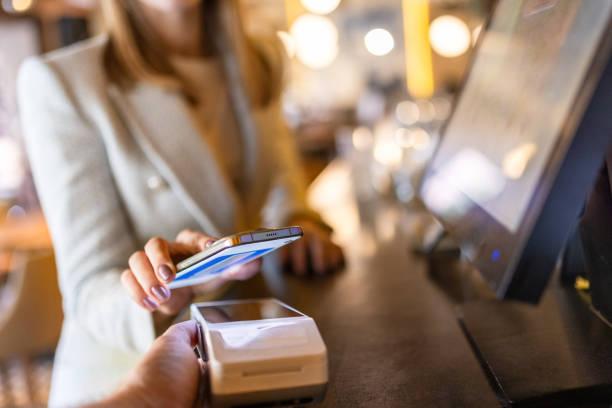
Picture this: You're at a bustling design conference, networking with potential clients, when someone asks for your business card. You reach into your pocket, pull out a sleek card, and with a simple tap against their phone, your entire portfolio, social media profiles, and contact information instantly appear on their screen. No fumbling with paper cards, no worrying about smudged ink, and definitely no risk of your card ending up in the trash.
This isn't science fiction—it's the reality that NFC business cards are bringing to creative professionals worldwide. In an industry where first impressions can make or break opportunities, these smart cards are revolutionizing how photographers, designers, artists, and other creatives showcase their work and connect with clients. Let's explore how this technology is transforming the creative landscape and why it might be the game-changer your career needs.
What Makes NFC Business Cards Different
Digital business cards look like regular business cards on the surface, but they pack serious technological punch. NFC stands for Near Field Communication, the same technology that powers contactless payments and smart building access. When embedded in a business card, this tiny chip allows anyone with a smartphone to instantly access your digital information with a simple tap.
Unlike traditional paper cards that hold static information, NFC cards serve as gateways to your entire digital presence. They can link to your portfolio website, social media accounts, videos, testimonials, or any online content you want to share. For creative professionals who need to showcase visual work, this capability is invaluable. Instead of handing out a small piece of cardstock, you're essentially giving people a key to your entire creative universe.
The Creative Professional's Networking Challenge
Creative professionals face unique networking challenges that traditional business cards simply can't address. A graphic designer needs to show their design aesthetic. A photographer must display their visual storytelling skills. A videographer has to demonstrate their editing prowess. How can a standard paper card accomplish any of this?
The answer has always been awkward. You tell people to "check out my website" and hope they remember to do it later. You might hand them a brochure, adding to their already-heavy conference bag. Or you resort to pulling out your phone to show your work on the spot, which feels invasive and kills the natural flow of conversation.
NFC business cards eliminate this friction entirely. They bridge the gap between physical networking and digital portfolios seamlessly, allowing creative professionals to make memorable impressions without the typical networking awkwardness.
Instant Portfolio Access: Your Work in Their Hands
The most powerful feature of NFC business cards for creatives is instant portfolio access. When a potential client taps your card, they can immediately see your best work, curated exactly how you want to present it. This immediacy matters more than most people realize.
Research shows that people are most interested and engaged immediately after meeting you. That enthusiasm wanes quickly once they leave the event and get caught up in daily life. By giving them immediate access to your portfolio, you capture their attention at the precise moment when they're most receptive to your work.
You can customize what content appears based on the context too. Meeting potential wedding clients? Your NFC card can direct them to your wedding photography gallery. Networking at a corporate event? The same card can show your commercial work instead. This flexibility lets you tailor your pitch without printing multiple card versions.
Building Your Personal Brand Through Technology
Creative professionals understand branding better than anyone. Your business card is a brand touchpoint, and NFC cards elevate this interaction from mundane to memorable. The very act of using one signals that you're tech-savvy, forward-thinking, and innovative—qualities clients actively seek in creative partners.
The design possibilities are endless too. You can create minimalist cards that let the technology speak for itself, or elaborate designs that reflect your creative style. Some photographers use cards featuring their best photograph. Graphic designers create cards that showcase their design philosophy. The physical card becomes an art piece that complements the digital experience.
This technological approach to networking also positions you as a modern professional who embraces new tools. In creative industries where staying current with trends matters, this positioning can be the difference between being seen as cutting-edge or outdated.
Environmental Benefits That Align With Creative Values
Many creative professionals are environmentally conscious, and NFC business cards align perfectly with sustainable values. Traditional networking generates enormous paper waste. Conference attendees collect dozens of cards, most of which end up discarded or forgotten in desk drawers.
NFC cards are reusable and updateable. If you change your phone number, website, or portfolio platform, you don't need to reprint thousands of cards. You simply update the digital information linked to your NFC chip. This saves money and reduces environmental impact significantly.
The durability of NFC cards also outperforms paper alternatives. Made from materials like PVC, wood, or metal, these cards withstand wear and tear that would destroy paper cards. They don't get bent in wallets, smudged by moisture, or fade over time. Your investment lasts longer and maintains its professional appearance indefinitely.
Analytics and Follow-Up Advantages
Here's something traditional business cards can never offer: data. Many NFC business card platforms provide analytics showing when someone taps your card, what content they viewed, and how long they engaged with your information. For creative professionals, these insights are goldmines.
You can identify which potential clients showed genuine interest by spending time exploring your portfolio. You can see which projects resonated most, helping you understand what type of work to showcase more prominently. This data transforms networking from a numbers game into a strategic process where you can prioritize follow-ups based on actual engagement levels.
The follow-up process itself becomes easier too. Because you know exactly who viewed your work and when, you can send personalized messages referencing specific projects they explored. This level of detail shows professionalism and attention to detail that generic follow-up emails can't match.
Versatility Across Creative Disciplines
NFC business cards serve photographers, designers, illustrators, videographers, musicians, and countless other creative professionals equally well. The versatility comes from the ability to link to any type of digital content.
Photographers can showcase galleries organized by style or subject. Videographers can feature their demo reels or behind-the-scenes content. Musicians can link to streaming platforms where potential collaborators can hear their work immediately. Illustrators can display their portfolio, commission information, and even embed booking systems for easy client scheduling.
This adaptability means NFC cards work for both established professionals and emerging creatives. A seasoned photographer might use them to direct clients to a comprehensive portfolio website, while a recent graduate could link to a simple Instagram profile or Behance portfolio. The technology scales to whatever level you're at professionally.
Cost-Effectiveness for Independent Creatives
While NFC business cards cost more upfront than traditional paper cards, they're remarkably cost-effective for independent creatives. Consider the typical lifecycle of paper business cards: you order a batch, your contact information changes, and suddenly you have hundreds of obsolete cards. Many creatives go through this cycle multiple times per year.
NFC cards eliminate this recurring expense. One card lasts indefinitely, and updates happen digitally without additional costs. For freelancers and small creative businesses operating on tight margins, this represents significant savings over time.
The professional image these cards project can also lead to higher-value clients. When you demonstrate technological sophistication and innovative thinking through your networking tools, you signal that you deliver the same qualities in your creative work. Clients willing to pay premium rates often respond positively to these professional touches.
Integration With Social Media and Online Presence
Modern creative professionals maintain presences across multiple platforms—Instagram, Behance, LinkedIn, TikTok, personal websites, and more. NFC business cards can create a hub that connects all these channels seamlessly.
Instead of verbally listing your various handles or hoping people search for you correctly, your NFC card can present a landing page with direct links to every platform. Some creatives use services like Linktree or create custom landing pages that match their brand aesthetic.
This integration ensures people can follow you on their preferred platform. Some prefer Instagram's visual focus, others prefer LinkedIn's professional context, and some want to dive deep into a full portfolio website. By accommodating these preferences, you maximize the chances of maintaining connections beyond the initial meeting.
Overcoming Technical Barriers and Common Concerns
Some creative professionals hesitate to adopt NFC business cards due to technical concerns. The most common worry is compatibility—will everyone's phone work with NFC technology? The answer is reassuringly positive. Most smartphones manufactured in the last several years include NFC capability, and it's standard in both iPhone and Android devices.
For the rare occasions when someone's phone doesn't support NFC, most smart business cards include QR codes as a backup. This redundancy ensures nobody gets left out of accessing your information, regardless of their device capabilities.
Another concern involves setup complexity. In reality, most NFC business card services offer user-friendly platforms where you can update your information as easily as editing a social media profile. No coding knowledge or technical expertise is required. You simply log into a dashboard, change your links, and the updates take effect immediately.
Real-World Success Stories from Creatives
The impact of NFC business cards becomes clear when you hear from creatives using them. Wedding photographers report that potential clients love the immediate access to gallery samples, making booking decisions faster. The ability to show diverse wedding styles instantly helps couples visualize their own wedding through the photographer's lens.
Freelance graphic designers share stories of landing corporate clients impressed by the technological sophistication of their networking approach. One designer noted that a creative director specifically mentioned the NFC card during contract negotiations, citing it as evidence of the designer's innovative thinking.
Musicians and performers find particular value in the instant playback capability. Instead of asking bookers and collaborators to "look them up later," they provide immediate access to music samples. This immediacy has led to same-day booking offers and collaboration agreements that might have otherwise required multiple follow-up attempts.
Future-Proofing Your Creative Career
The creative industries evolve rapidly, and professionals who embrace new technologies position themselves advantageously. NFC business cards represent more than just a networking tool—they're a statement about your approach to your craft.
As augmented reality, virtual reality, and other immersive technologies become more prevalent in creative work, the ability to direct people to these experiences through NFC cards will become increasingly valuable. Early adopters establish themselves as innovators, a reputation that attracts forward-thinking clients.
The technology itself continues improving too. Newer NFC chips offer greater storage and faster connection times. Some cards now include displays or embedded video screens. As these features become more accessible, creative professionals already comfortable with NFC technology will be positioned to leverage the latest advancements immediately.
Making the Switch: Practical Implementation Tips
If you're ready to incorporate NFC business cards into your networking strategy, start by defining your goals. What action do you want people to take after tapping your card? Do you want them to view your portfolio, book a consultation, follow you on social media, or something else? This clarity will guide how you set up your digital landing page.
Next, choose a card provider that matches your needs and budget. Research options considering card design customization, analytics features, ease of updating information, and customer support quality. Many providers offer sample cards so you can test the experience before committing to a full order.
Design your card to reflect your creative brand while keeping it functional. Ensure your name and a basic contact method appear physically on the card in case someone needs to reference it without their phone. Include a subtle indication that the card has NFC capability—a small icon or text line saying "Tap to connect" helps people know what to do.
Frequently Asked Questions
Do NFC business cards work with all smartphones?
Most modern smartphones support NFC technology, including iPhones from iPhone 7 onwards and the majority of Android devices from the past five years. For older devices, most NFC cards also include a QR code backup option that works with any smartphone camera.
Can I update the information on my NFC business card after I've ordered it?
Yes, that's one of the main advantages. You can update your linked content, portfolio, contact information, and social media handles anytime through your provider's online platform. The physical card stays the same, but the digital content changes instantly.
How long do NFC business cards last?
NFC business cards are significantly more durable than paper cards and can last for years. The NFC chip itself has no battery and doesn't wear out from use. The physical card material—whether PVC, wood, or metal—determines longevity, but all options outlast traditional paper cards.
Are NFC business cards expensive?
While the upfront cost is higher than paper cards (typically ranging from $1 to $5 per card depending on design and quantity), they're cost-effective long-term because you never need to reorder due to outdated information. One NFC card can replace hundreds of paper cards over its lifetime.
What happens if someone doesn't have an NFC-enabled phone?
Most NFC business cards include a QR code that provides the same functionality for phones without NFC capability. The person simply scans the QR code with their camera app and accesses the same information NFC users would receive.
Can I track who views my portfolio through my NFC card?
Many NFC business card providers offer analytics showing when your card was tapped, what content was viewed, and engagement duration. However, this is anonymized data—you'll see that someone tapped your card at a specific time, but not their personal identity unless they choose to contact you.
How do I explain to people how to use my NFC card?
Most people are familiar with tap-to-pay technology and understand the concept immediately. A simple "Just tap it to the back of your phone" is usually sufficient. The action is intuitive, and once people try it once, they understand how it works for future encounters.
Can one NFC card show different content to different people?
While a single NFC card typically links to one destination, you can create a smart landing page that offers multiple options (portfolio, social media, contact form, etc.). Some advanced systems allow you to create multiple profiles on one card, though this requires the recipient to make a selection. For most creatives, one well-designed landing page serves all purposes effectively.

 English
 Arabic
 French
 Portuguese
 Deutsch
 Turkish
 Dutch
Dutch
 Italiano
 Russian
 Romaian
 Portuguese (Brazil)
 Greek
Greek