


Hair Transplant Recovery in Riyadh: What to Expect
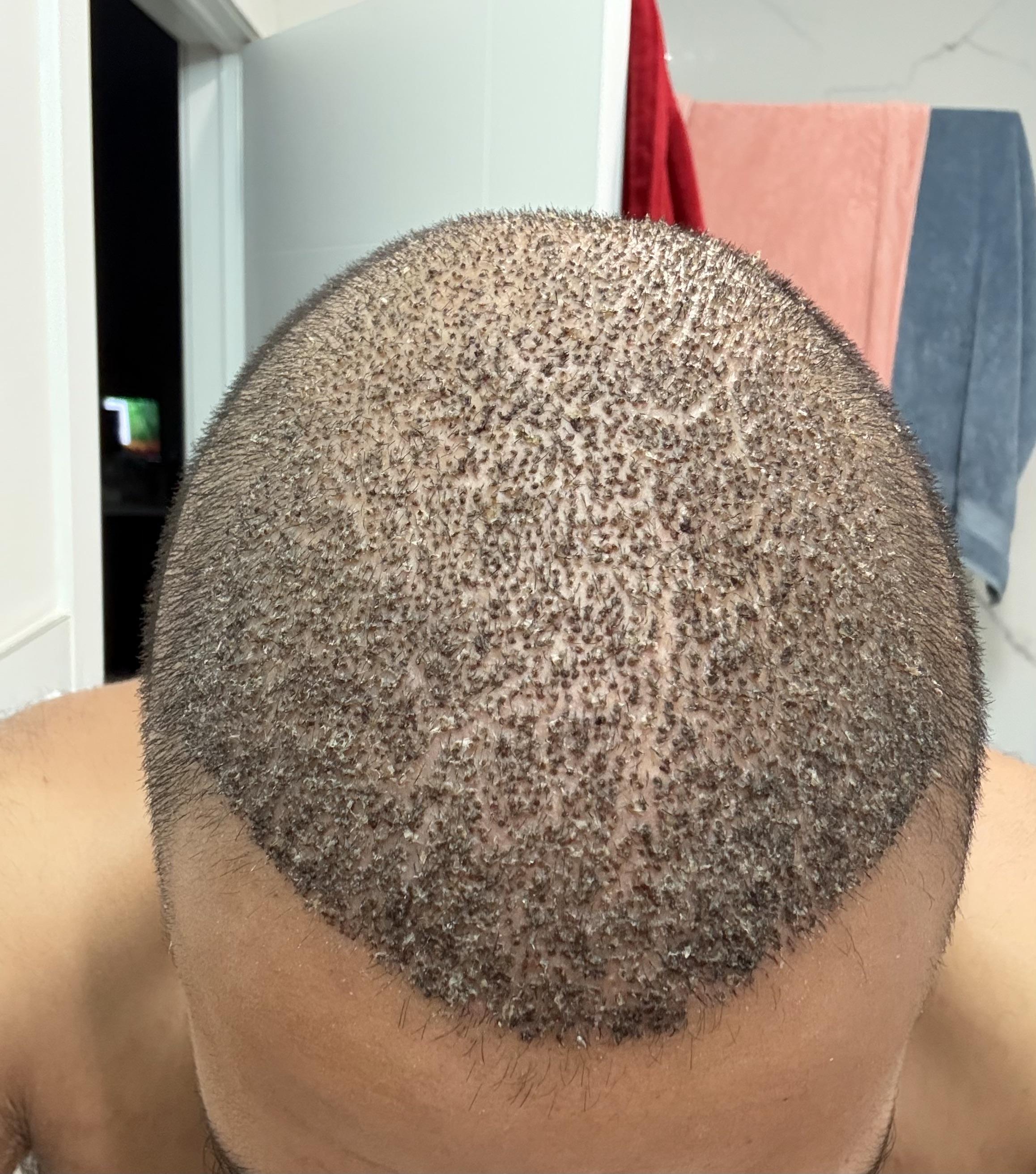
Hair transplant recovery in Riyadh is a gradual process where the scalp heals first, and new hair growth appears over several months. Whether you undergo FUE or DHI, the recovery timeline follows a predictable biological cycle, with full results typically visible after about 12 months.
First 24–72 Hours: Immediate Recovery Phase
Right after the procedure, it is normal to experience:
- Mild swelling on forehead or around eyes
- Redness in transplanted and donor areas
- Tightness or slight discomfort in the scalp
- Small scabs forming around grafts
During this stage, clinics in Riyadh usually recommend:
- Sleeping with head elevated
- Avoiding touching or scratching the scalp
- Following prescribed medications carefully
Week 1: Initial Healing Phase
- Scabs start forming and drying
- Donor area begins to heal
- Mild itching may occur
- Swelling usually reduces
Most patients can return to light daily activities within a few days.
Week 2–3: Shedding Phase (Normal Process)
- Transplanted hair often starts to fall out
- This is called “shock loss”
- Follicles remain under the skin and are still alive
Shock loss: Temporary shedding of transplanted hair while follicles remain active under the scalp\text{Shock loss: Temporary shedding of transplanted hair while follicles remain active under the scalp}Shock loss: Temporary shedding of transplanted hair while follicles remain active under the scalp
This phase can be surprising, but it is completely normal.
Month 1–3: Resting Phase
- Scalp looks mostly healed externally
- Little visible hair growth yet
- Follicles enter a dormant stage
- Donor area fully recovers
Patience is important during this period.
Month 3–4: Early Hair Growth
- Thin, soft new hairs begin to appear
- Growth may look uneven at first
- Texture is initially fine and weak
This marks the beginning of visible improvement.
Month 6: Noticeable Improvement
- Hair becomes thicker and darker
- Bald areas start filling in
- Hairline becomes more defined
Many patients start feeling satisfied at this stage.
Month 9–12: Final Results
- Full density achieved
- Natural hair growth pattern established
- Hair can be cut, styled, and treated normally
Final results depend on donor quality and technique used.
Factors Affecting Recovery
Recovery speed and results depend on:
- Technique used (FUE, DHI, or FUT)
- Surgeon experience
- Patient’s healing response
- Post-operative care compliance
- Lifestyle factors (smoking, nutrition, stress)
Do’s and Don’ts During Recovery
Do:
- Follow washing instructions carefully
- Take prescribed medications
- Protect scalp from sun exposure
- Attend follow-up visits
Don’t:
- Scratch or rub the scalp
- Exercise heavily in first 10–14 days
- Use harsh hair products early
- Expose scalp to dust or heat
Final Thoughts
Hair transplant recovery in Riyadh is generally smooth and well-managed when proper aftercare is followed. While early healing happens within weeks, true visible results take several months, with final outcomes appearing after about one year.

 English
 Arabic
 Spanish
 Portuguese
 Deutsch
 Turkish
 Dutch
Dutch
 Italiano
 Russian
 Romaian
 Portuguese (Brazil)
 Greek
Greek