


Is It Better to Use USD or JMD in Jamaica?
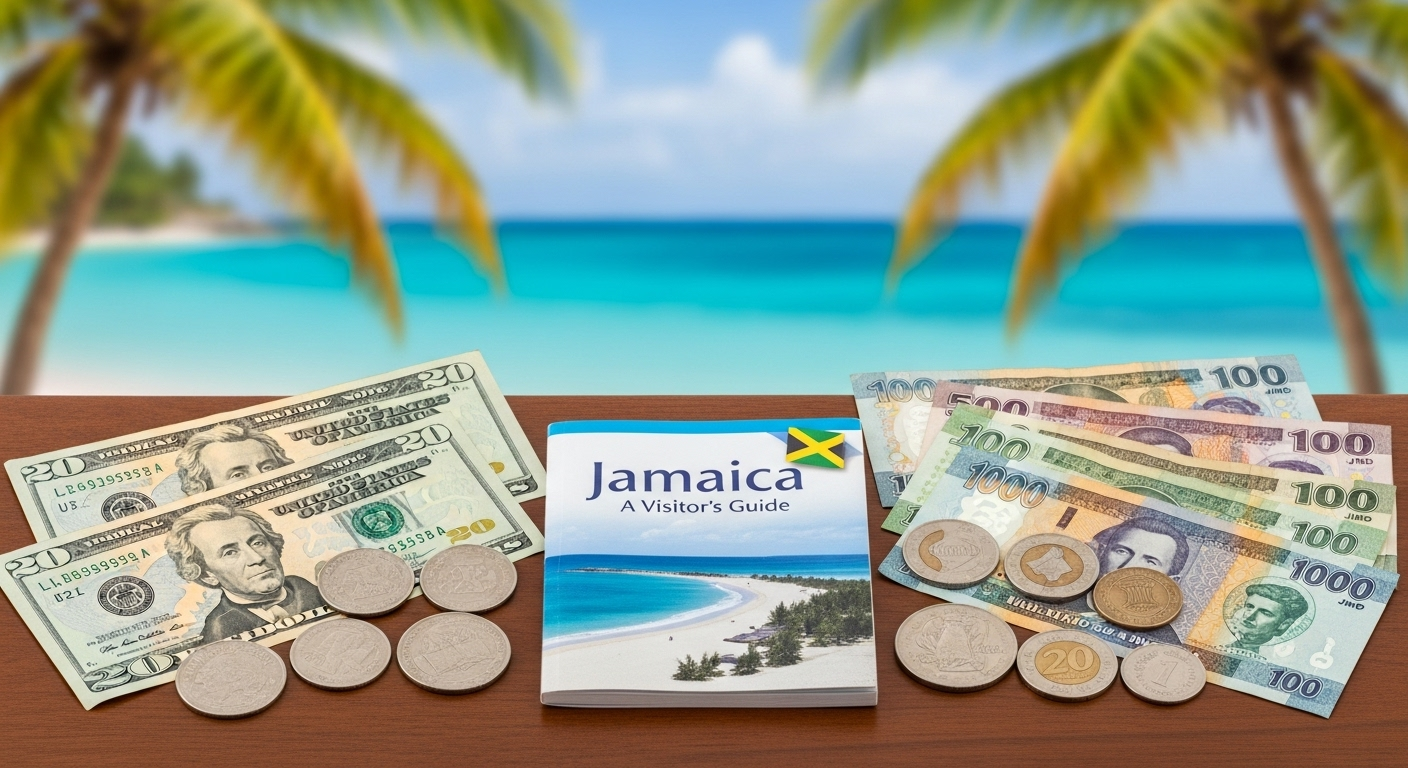
Is It Better to Use USD or JMD in Jamaica?
Money decisions shape your travel experience more than most people expect. Visitors often ask Is It Better to Use USD or JMD in Jamaica? The choice affects daily costs, convenience, acceptance level, and exposure to tourist pricing. While both currencies circulate across the island, one delivers better value in most situations.
This guide compares USD vs JMD in Jamaica using real-world spending scenarios. You will learn which currency works best, where each one fits, and how tourists save money while traveling across Montego Bay, Negril, Ocho Rios, and Kingston.
Understanding Jamaica’s Currency System
Jamaica operates on the Jamaican Dollar (JMD) as its official currency. All local pricing, salaries, and government services rely on JMD.
The US Dollar (USD) plays a secondary role due to tourism. Resorts, airports, and tour operators accept it for convenience. Acceptance depends on business choice rather than policy.
This distinction explains "Does jamaica take usd" and why tourists face different pricing outcomes depending on the currency used.
USD vs JMD in Jamaica: The Core Difference
The main difference lies in pricing control.
-
JMD follows local market prices
-
USD pricing includes currency conversion and markup
When paying in USD, businesses apply their own exchange rate. This rate almost always favors the seller.
When paying in JMD, local prices apply without conversion loss.
Is USD or JMD Cheaper in Jamaica?
JMD is cheaper for everyday spending. Paying in USD often increases total cost.
Why USD costs more:
-
Merchants use inflated exchange rates
-
Tourist pricing appears more often
-
Change returned in JMD at a weaker rate
Example scenario:
A meal priced at 1,500 JMD might cost the equivalent of 12 USD instead of the fair 10 USD based on bank rates.
That difference adds up quickly.
Using USD in Jamaica: When It Makes Sense
Resorts and Hotels
All-inclusive resorts and large hotels accept USD daily. Many list prices directly in US dollars.
USD works well for:
-
Room charges
-
Resort activities
-
Spa services
Even in these settings, change often comes back in JMD.
Airports and Arrival Transfers
Sangster International Airport and Norman Manley International Airport accept USD across most services.
USD works smoothly for:
-
Airport taxis
-
Food outlets
-
Duty-free shopping
Convenience remains the main advantage here.
Guided Tours and Private Drivers
Tour operators frequently quote prices in USD. Private drivers expect USD payment from tourists.
These services build exchange loss into their rates.
Where JMD Performs Better Than USD
Local Restaurants
Local eateries price menus in Jamaican Dollar. Paying in JMD avoids inflated tourist pricing.
USD payment often triggers a higher conversion rate.
Supermarkets and Shops
Supermarkets display prices in JMD. Some accept USD, though acceptance remains inconsistent.
JMD remains more reliable and cheaper.
Local Markets and Street Vendors
Street vendors and market sellers rely on JMD. USD payment leads to confusion, pricing markup, or refusal.
JMD ensures smoother transactions.
Transportation Beyond Tourist Areas
Route taxis and public transport accept only JMD. Drivers expect exact change.
Travelers exploring beyond resort zones need local currency.
Acceptance Level: USD vs JMD
| Category | USD Acceptance | JMD Acceptance |
|---|---|---|
| Resorts | High | High |
| Airports | High | Medium |
| Tourist taxis | High | Medium |
| Restaurants | Medium | High |
| Supermarkets | Low to Medium | High |
| Local markets | Low | High |
| Rural areas | Rare | Universal |
JMD wins on overall acceptance.
Exchange Rate and Conversion Reality
Exchange rate handling separates these currencies sharply.
USD payments involve:
-
Seller-controlled conversion
-
Built-in pricing markup
-
Less transparency
JMD payments involve:
-
Posted local prices
-
No conversion loss
-
Better cost control
ATMs attached to banks dispense JMD at competitive rates.
Small Bills and Change Issues
USD usage depends heavily on bill size.
Problems with USD:
-
Limited change availability
-
Change returned in JMD
-
Higher refusal risk with large notes
JMD works smoothly across all denominations.
Overcharging and Tourist Pricing Risks
Using USD signals tourist status. Some vendors respond with higher prices.
Risk reduction strategies:
-
Ask for prices in JMD
-
Pay with local currency
-
Carry limited cash
-
Confirm totals before payment
JMD reduces exposure to tourist pricing.
Safety and Convenience Comparison
USD Convenience
-
Familiar currency
-
Easy during arrival
-
Works well at resorts
JMD Convenience
-
Accepted everywhere
-
Predictable pricing
-
Fewer payment disputes
For travelers planning movement beyond resorts, JMD provides more reliable daily use.
Best Currency for Tourists in Jamaica
For most visitors, JMD stands as the better primary currency.
USD works best as a secondary option.
Recommended setup:
-
JMD cash for daily spending
-
USD small bills for tipping and arrival
-
Credit card for hotels and larger restaurants
This mix balances convenience and value.
Paying With Cards vs Cash
Credit cards work at:
-
Hotels
-
Resorts
-
Upscale restaurants
Cash remains essential for:
-
Local shopping
-
Transportation
-
Markets
ATMs provide JMD directly and offer better exchange rates than hotel desks.
FAQs: Jamaica Currency Comparison for Travelers
Which currency is better in Jamaica?
Jamaican Dollar delivers better value and wider acceptance.
Is paying in USD more expensive in Jamaica?
Yes. USD payments usually include pricing markup.
Do tourists save money using JMD in Jamaica?
Yes. Local pricing applies when paying in JMD.
What currency should tourists carry?
A combination of JMD, small USD bills, and a credit card works best.
Is USD or Jamaican Dollar more reliable?
JMD works everywhere. USD works mainly in tourist areas.

 English
 Arabic
 French
 Spanish
 Portuguese
 Deutsch
 Turkish
 Dutch
Dutch
 Italiano
 Russian
 Portuguese (Brazil)
 Greek
Greek