


Tarp Uses: Versatile Shelter for Campers
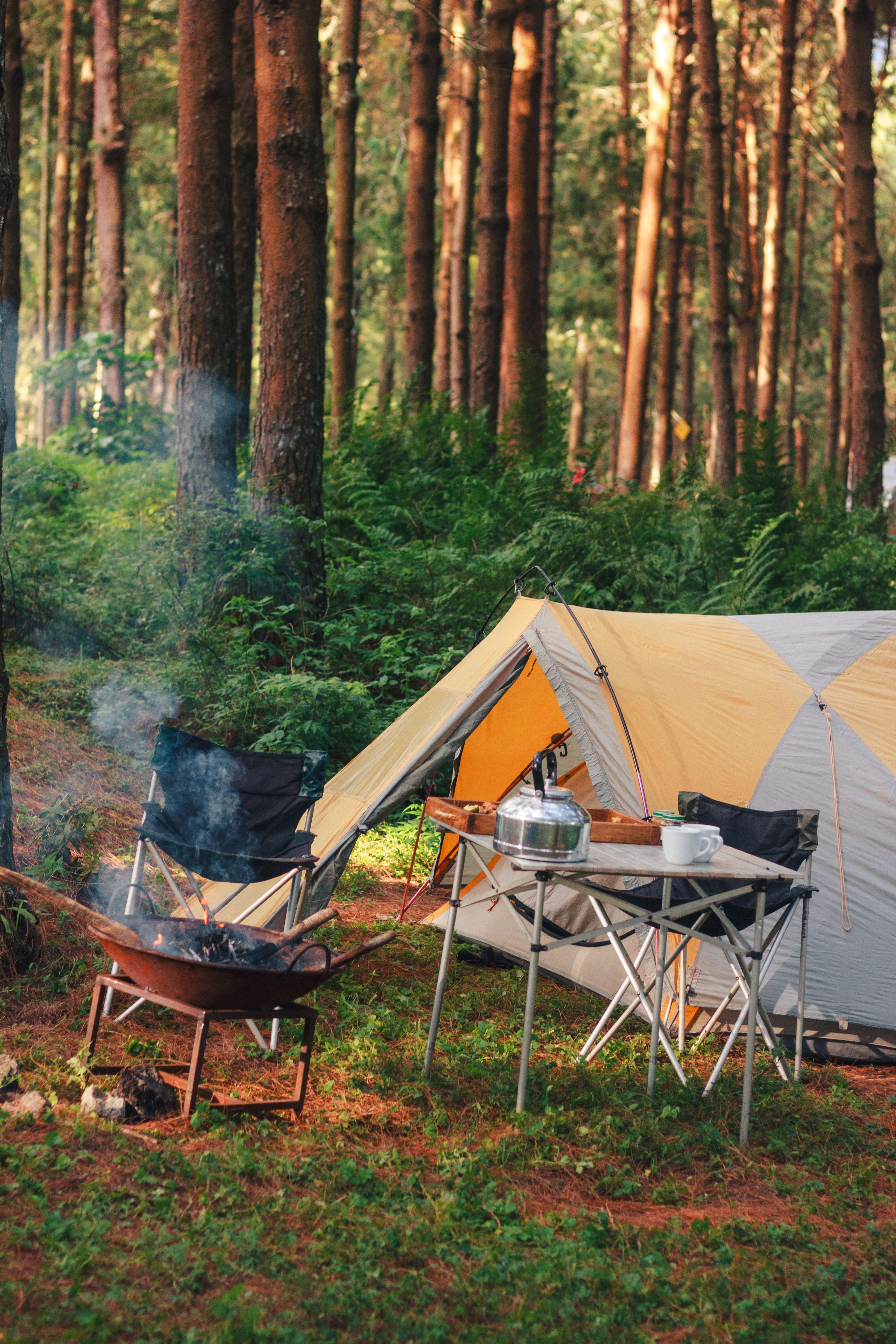
A tarp might be the most underrated piece of camping geargear out there. It's cheap, lightweight, and can solve more problems than almost anything else in your camping gearkit. From keeping you dry in a surprise downpour to creating extra shade on a hot afternoon, a good tarp earns its spot in your pack every single time. This guide covers everything you need to know about choosing, setting up, and using a tarp on your next trip.
Choosing the Right Tarp Material
Tarps come in a few common materials, each with its own pros and cons. Polyethylene tarps are affordable and widely available, making them a solid choice for casual campers who don't need anything too fancy. Silnylon tarps are lighter and pack down smaller, which makes them popular with backpackers who count every ounce. Cuben fiber, also known as Dyneema, is the lightest and most durable option out there, though it comes with a higher price tag. Think about how often you camp and how much weight matters before deciding which material fits your budget and needs.
Tarp Setup Methods for Rain Protection
Setting up a tarp for rain protection is simpler than it looks once you know a few basic configurations. The classic A-frame setup, where the tarp is strung between two trees and staked down on both sides, sheds rain well and works in most situations. A lean-to setup, angled to block wind and rain from one direction, is great when you know which way bad weather is coming from. Whatever setup you choose, make sure the tarp has a slight angle so water runs off instead of pooling in the middle.
Using a Tarp as Ground Cover
A tarp doesn't just belong overhead, it also works great underneath your tent. Placing a tarp beneath your tent protects the floor from sharp rocks, sticks, and ground moisture that can seep through over time. Just make sure the tarp is slightly smaller than your tent footprint, since a tarp that sticks out can actually catch rainwater and funnel it right under your tent instead of away from it. This small trick can make a big difference in keeping your gear dry overnight.
Tarp Sizes for Different camping gearNeeds
Tarp sizes vary quite a bit depending on what you plan to use them for. A smaller tarp, around 8 by 10 feet, works well for solo campers who just need basic rain cover or ground protection. Medium sized tarps, closer to 10 by 12 feet, give a couple enough room for a cooking area or gear storage. Larger tarps, 12 by 16 feet or bigger, are great for group Camping gear where you need a shared shelter space for cooking or hanging out during bad weather.
Creative Tarp Shelter Configurations
Once you get comfortable with basic setups, there are plenty of creative ways to configure a tarp shelter. A diamond fly setup, using just one center pole and the tarp's natural shape, creates a simple pyramid style shelter with minimal gear. A wing setup, staked at varying heights, can block wind from one side while leaving the other open for airflow and views. Experimenting with different configurations based on weather and terrain helps you get more value out of one simple piece of gear.
Tarp Knots Every Camper Should Know
Knowing a few key knots makes tarp setup much faster and more secure. The taut-line hitch is essential since it lets you adjust tension on a guyline without retying the whole knot. The bowline creates a secure loop at the end of a rope that won't slip or tighten under load. The trucker's hitch is useful for creating extra leverage when you need to pull a line very tight, which is great for ridgelines. Practicing these knots at home before your trip saves a lot of frustration in the field.
Tarp Care and Storage Tips
Taking care of your tarp helps it last for years of trips. Always let it dry completely before packing it away, even if that means hanging it up for an hour once you get home. Shake off dirt and debris before folding, and avoid storing it in a tightly compressed state for long periods since this can weaken the fabric over time. Check for small tears or punctures after each trip and patch them early before they turn into bigger problems.
https://www.travelosei.com/hello-india/best-camping-gear-for-beginners
FAQs
Can a tarp replace a tent completely?
Yes, many experienced campers use tarps as their only shelter, especially in mild weather. However, tarps don't offer the same protection from bugs and wind as a fully enclosed tent, so it depends on your comfort level and conditions.
What size tarp do I need for a family camping geartrip?
For a family or small group, a tarp around 10 by 12 feet or larger usually gives enough coverage for a shared cooking or hangout area.
How do I stop water from pooling on my tarp?
Make sure your tarp setup has a slight angle so water naturally runs off to one side. A completely flat tarp setup is more likely to collect water and eventually sag or leak.

 English
 Arabic
 French
 Spanish
 Portuguese
 Deutsch
 Turkish
 Dutch
Dutch
 Italiano
 Russian
 Romaian
 Greek
Greek