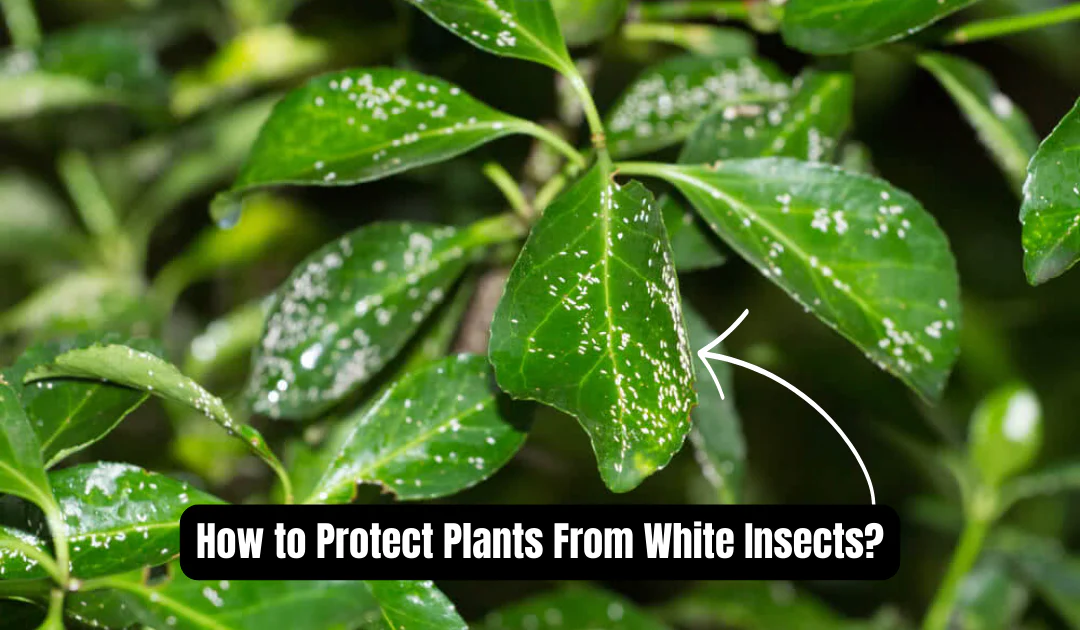
Healthy plants can sometimes face unwanted visitors, and one of the most common problems gardeners notice is the appearance of tiny white insects on leaves, stems, and buds. These pests can weaken plants, slow growth, and affect the overall beauty of your garden. Understanding why white insects appear and how to control them naturally can help you maintain a healthy and thriving green space.
What Are the White Insects on Plants?
The small white insects found on plants are usually common garden pests such as mealybugs, whiteflies, or aphids. They may look like tiny white dots, cotton-like patches, or flying insects around the leaves.
- Mealybugs: These appear as white, cottony masses on stems, leaf joints, and under leaves. They feed on plant sap and can cause yellowing leaves.
- Whiteflies: These tiny white flying insects usually gather on the underside of leaves and release when the plant is disturbed.
- White aphids: These soft-bodied insects often cluster on new shoots and suck nutrients from plants.
Identifying the pest correctly helps you choose the best natural treatment.
Why Do White Insects Appear on Plants?
Several environmental conditions can encourage white insects to attack your plants:
1. Overwatering
Too much water creates a weak growing environment and reduces plant resistance. Overwatered plants may become more vulnerable to pest infestations.
2. Poor Air Circulation
Plants placed too close together can trap moisture and create a suitable environment for insects to multiply. Proper spacing improves airflow and keeps pests away.
3. Excess Use of Nitrogen Fertilizers
High nitrogen levels encourage fast leaf growth, which attracts sap-sucking insects. Balanced plant nutrition helps prevent pest problems.
4. New Infected Plants
Sometimes pests enter your garden through newly purchased plants. Always check leaves and stems before adding new plants to your collection.
5. Seasonal Changes
Warm and humid weather often increases insect activity. Whiteflies and mealybugs reproduce quickly during favorable conditions.
Signs Your Plant Has White Insect Problems
Look for these common symptoms:
- White spots or cotton-like material on leaves
- Sticky substance (honeydew) on leaves
- Yellowing or curling leaves
- Slow plant growth
- Ant activity around plants
- Weak or damaged new growth
Early detection makes natural control methods much more effective.
Natural Ways to Stop White Insects on Plants
1. Neem Oil Spray
Neem oil is one of the most popular natural solutions for controlling garden pests. It works by disturbing the feeding and breeding cycle of insects.
How to use:
- Mix neem oil with water and a mild liquid soap.
- Spray on both sides of leaves and stems.
- Apply regularly until the infestation reduces.
2. Use Organic Plant Sprays
Natural plant protection sprays made with safe ingredients can help manage common pests without harming your garden environment. Regular application can protect plants from insects while supporting healthy growth.
3. Remove Infected Leaves
If only a few leaves are affected, remove them carefully and dispose of them away from your garden. This prevents insects from spreading to healthy plants.
4. Spray Soap Solution
A mild soap spray can help remove soft-bodied insects like aphids and whiteflies.
Simple method:
- Mix a small amount of gentle liquid soap with water.
- Spray directly on affected areas.
- Rinse plants after a few hours if needed.
5. Encourage Beneficial Insects
Not all insects are harmful. Ladybugs, lacewings, and other beneficial insects naturally feed on pests and help maintain garden balance.
6. Keep Plants Healthy
Strong plants are naturally better at resisting pests. Follow these practices:
- Provide proper sunlight
- Avoid overwatering
- Use quality compost or organic fertilizers
- Maintain good airflow
- Clean leaves regularly
Preventing White Insects Naturally
Prevention is always easier than controlling a serious infestation. Follow these simple steps:
- Inspect plants regularly for early signs of pests.
- Keep gardening tools clean.
- Maintain proper plant spacing.
- Avoid excessive fertilizer use.
- Use natural plant protection products as part of regular plant care.
- Quarantine new plants before placing them near existing plants.
Benefits of Natural Pest Control
Using natural methods helps protect your plants while maintaining a safer garden environment. Chemical pesticides may provide quick results but can affect beneficial insects and soil health. Organic solutions support long-term plant wellness and create a more sustainable gardening routine.
Conclusion
White insects on plants are a common gardening challenge, but they can be managed naturally with the right care and attention. Regular inspection, neem oil treatments, organic sprays, and healthy gardening practices can help protect your plants from pests. By choosing natural solutions, you can maintain a beautiful, green, and healthy garden while supporting an eco-friendly approach to plant care.
Frequently Asked Questions (FAQs)
1. Are white insects harmful to plants?
Yes, white insects like mealybugs and whiteflies can damage plants by sucking sap and reducing plant strength.
2. Can neem oil remove white insects from plants?
Neem oil can help control many common plant pests by affecting their feeding and reproduction cycle.
3. How often should I check plants for pests?
Inspect your plants at least once a week to identify pest problems early.
4. Can I remove white insects without chemicals?
Yes, natural methods like neem oil, soap sprays, pruning, and organic plant sprays can help control infestations.
5. How can I prevent white insects from returning?
Maintain healthy plants, avoid overwatering, improve airflow, and use regular natural plant protection methods.




 English
 Arabic
 French
 Spanish
 Portuguese
 Deutsch
 Turkish
 Dutch
Dutch
 Italiano
 Russian
 Portuguese (Brazil)
 Greek
Greek