


Types of Construction Cranes: A Complete Guide to Choosing the Right Crane
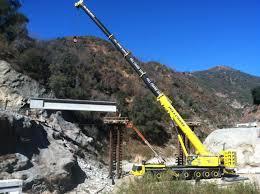
Cranes play a vital role in modern construction by making it possible to lift and move heavy materials safely and efficiently. From high-rise buildings to bridges and industrial facilities, selecting the right crane can improve productivity and reduce project risks. Understanding the types of construction cranes helps contractors, engineers, and project managers choose equipment that matches the specific demands of each job.
Why Understanding Types of Construction Cranes Matters
Every construction project has unique lifting requirements. The types of construction cranes available today are designed for different working environments, lifting capacities, and project sizes. Choosing the right crane improves safety, reduces operating costs, and ensures materials are moved accurately and efficiently.
Knowing the strengths of each crane type also helps project teams avoid delays caused by using unsuitable equipment.
Common Types of Construction Cranes
Several crane designs are commonly used throughout the construction industry.
Tower Cranes
Tower cranes are widely used for high-rise buildings and large commercial developments. They provide exceptional lifting height and can move heavy materials across large construction sites with excellent precision.
Mobile Cranes
Mobile cranes are mounted on trucks or specialized carriers, allowing them to travel easily between job sites. Their flexibility makes them suitable for short-term projects and locations where frequent movement is required.
Crawler Cranes
Crawler cranes move on tracked undercarriages instead of wheels. They offer outstanding stability and are ideal for lifting heavy loads on uneven or soft ground.
Rough Terrain Cranes
These cranes are designed for off-road construction sites. Their large tires and strong suspension systems allow them to operate effectively on challenging terrain.
All-Terrain Cranes
All-terrain cranes combine highway travel capability with excellent off-road performance. They are commonly used on large infrastructure and industrial projects.
How to Choose the Right Crane
Selecting the right crane depends on several important factors.
Evaluate Load Requirements
Determine the maximum weight that must be lifted. The crane's lifting capacity should safely exceed the expected load while following manufacturer guidelines.
Consider Job Site Conditions
Ground stability, available working space, and surrounding structures all influence which crane type is most suitable for the project.
Review Lifting Height and Reach
Different cranes offer varying boom lengths and lifting heights. Choose equipment that can safely reach the required work area without compromising stability.
Benefits of Selecting the Proper Crane
Choosing from the available types of construction cranes offers several advantages.
Improved Safety
Using equipment designed for the specific task reduces lifting risks and helps maintain a safer work environment.
Greater Efficiency
The correct crane completes lifting operations faster, reducing labor requirements and keeping projects on schedule.
Lower Project Costs
Efficient equipment selection minimizes unnecessary rental expenses, transportation costs, and project delays.
Best Practices for Safe Crane Operation
Understanding the types of construction cranes is only part of successful project planning. Safe operation is equally important.
Perform Routine Inspections
Inspect cranes before use to identify worn components, hydraulic leaks, damaged cables, or other maintenance concerns.
Use Qualified Operators
Experienced operators understand load charts, crane controls, and safe lifting procedures, reducing the risk of accidents.
Plan Every Lift
Carefully evaluate load weight, weather conditions, lifting paths, and nearby hazards before beginning any operation.
Conclusion
Learning about the types of construction cranes helps construction professionals make informed equipment decisions for projects of every size. From tower cranes and crawler cranes to mobile and rough terrain models, each type offers unique advantages depending on the job site and lifting requirements. By selecting the right crane, following proper safety procedures, and working with trained operators, businesses can complete projects efficiently while maintaining high standards of safety and productivity.

 Arabic
 French
 Spanish
 Portuguese
 Deutsch
 Turkish
 Dutch
Dutch
 Italiano
 Russian
 Romaian
 Portuguese (Brazil)
 Greek
Greek