


UI/UX Design: Creating Digital Experiences That Drive Business Growth
Introduction
In today's digital world, a website or application is often the first interaction customers have with a business. A visually appealing interface alone is no longer enough. Users expect intuitive navigation, fast performance, and seamless interactions. This is where UI/UX Design plays a vital role. A well-designed user interface (UI) combined with an exceptional user experience (UX) helps businesses attract, engage, and retain customers while improving overall satisfaction.
What Is UI/UX Design?
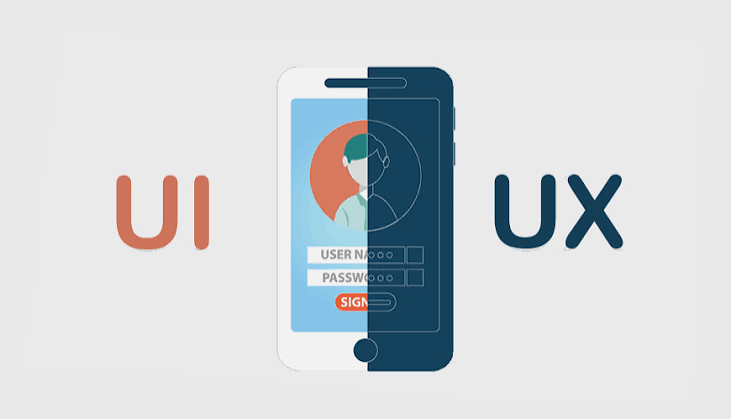
UI/UX Design combines two essential disciplines that work together to create user-friendly digital products.
- User Interface (UI) Design focuses on the visual elements of a website or application, including colors, typography, buttons, icons, layouts, and branding.
- User Experience (UX) Design focuses on how users interact with the product, ensuring that navigation is simple, intuitive, and enjoyable.
When combined, UI and UX create digital experiences that are both attractive and functional.
Why UI/UX Design Matters
An effective UI/UX Design strategy directly impacts user engagement and business success. Visitors are more likely to stay on a website that is easy to navigate and visually appealing. A positive experience encourages users to explore products, complete purchases, and return in the future.
Key benefits include:
- Improved customer satisfaction
- Higher conversion rates
- Reduced bounce rates
- Better brand credibility
- Increased customer loyalty
- Enhanced accessibility
- Stronger competitive advantage
Essential Elements of Great UI/UX Design
Successful UI/UX Design relies on several important principles:
User Research
Understanding your target audience helps designers create experiences that solve real user problems and meet customer expectations.
Wireframing and Prototyping
Wireframes provide the basic structure of a design, while prototypes simulate user interactions before development begins.
Visual Consistency
Consistent colors, fonts, buttons, and layouts strengthen brand identity and improve usability across every page.
Responsive Design
Modern users access websites from desktops, tablets, and smartphones. Responsive UI/UX Design ensures every visitor enjoys a seamless experience regardless of device.
Accessibility
Designing for accessibility ensures that people with disabilities can navigate and interact with digital products comfortably.
The UI/UX Design Process
A professional UI/UX Design workflow typically includes:
- Research and discovery
- User persona creation
- Information architecture
- Wireframing
- Prototype development
- Visual interface design
- Usability testing
- Design improvements
- Developer handoff
- Continuous optimization
Each step contributes to creating a product that meets both business goals and user expectations.
UI/UX Design Trends
The digital landscape constantly evolves, making it essential to stay updated with current design trends. Popular trends include:
- Minimalist layouts
- Dark mode interfaces
- Micro-interactions
- Custom illustrations
- 3D visuals
- Personalized user experiences
- AI-powered interfaces
- Voice-friendly navigation
- Glassmorphism
- Accessible design practices
These trends help businesses remain modern while improving user engagement.
Common UI/UX Design Mistakes
Many websites fail because they overlook user needs. Common mistakes include:
- Confusing navigation
- Slow loading speed
- Poor mobile optimization
- Inconsistent branding
- Cluttered layouts
- Small clickable elements
- Weak call-to-action buttons
- Complicated forms
- Lack of accessibility
Avoiding these issues significantly improves user satisfaction.
How UI/UX Design Improves Business Performance
A well-planned UI/UX Design strategy contributes directly to business growth. Visitors are more likely to trust professional websites that are easy to use and visually appealing. Better user experiences often result in:
- Increased leads
- Higher online sales
- Better customer retention
- Improved SEO performance
- Lower support costs
- Stronger brand reputation
Investing in design is an investment in long-term business success.
Choosing the Right UI/UX Design Partner
When selecting a design agency or freelancer, consider:
- Portfolio quality
- Industry experience
- User-centered design approach
- Communication process
- Client testimonials
- Design tools and technologies
- Ongoing support and maintenance
Working with experienced professionals ensures that every design decision aligns with your business objectives.
Conclusion
UI/UX Design is much more than creating attractive interfaces. It is about understanding users, solving problems, and delivering seamless digital experiences that encourage engagement and build trust. Businesses that prioritize user-focused design are better positioned to increase conversions, strengthen customer relationships, and achieve sustainable growth. Investing in professional UI/UX Design today helps create digital products that remain competitive and valuable in the future.

 English
 Arabic
 French
 Spanish
 Portuguese
 Deutsch
 Turkish
 Dutch
Dutch
 Italiano
 Romaian
 Portuguese (Brazil)
 Greek
Greek