


Why Global Fashion Trends Continue to Influence Modern Style
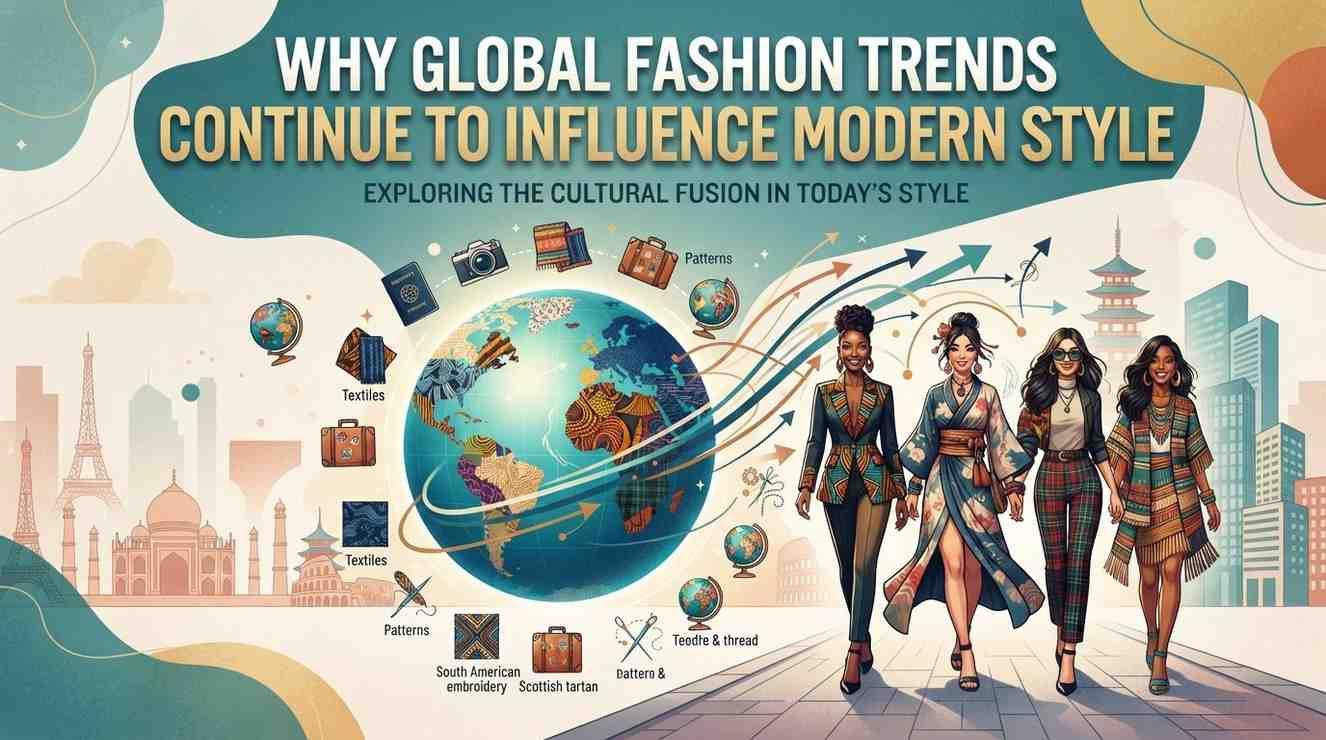
Fashion rarely stays inside one city, country, or culture. A color seen on a Seoul runway can appear in London shops weeks later. A football jersey worn in Barcelona can become a streetwear favorite in New York. Social media makes those connections almost instant, which is one reason global fashion trends now shape everyday wardrobes so strongly.
People have always borrowed style ideas from other places, but the speed has changed. Designers, athletes, musicians, creators, and ordinary shoppers share outfits with worldwide audiences every day. As a result, global fashion trends no longer move slowly through magazines and seasonal catalogs. They spread through videos, match-day photos, celebrity appearances, online stores, and personal recommendations.
This exchange gives modern style much of its personality. Traditional details meet sportswear, nostalgia mixes with new cuts, and regional colors reach buyers thousands of miles away. Understanding global fashion trends helps explain why modern fashion feels more connected, expressive, and unpredictable than it did a generation ago.
Why global fashion trends travel so quickly
Fashion once depended heavily on physical location. Shoppers usually discovered new looks through nearby stores, television programs, or printed magazines. Now a single photo can reach millions of people before a fashion show has even finished.
Platforms such as Instagram, TikTok, Pinterest, and YouTube have made global fashion trends easier to see and copy. Users can follow stylists in Paris, sneaker collectors in Tokyo, football fans in Madrid, and vintage shoppers in Los Angeles without leaving home. That constant access changes how people build outfits.
Online shopping adds another layer. Seeing an item is no longer separate from buying it. When a jacket, jersey, or color gains attention, shoppers can search for a similar piece immediately. This link between discovery and purchase allows global fashion trends to move from a screen into real wardrobes within days.
Cultural celebrations are becoming fashion moments
Major cultural events often introduce colors, symbols, fabrics, and design ideas to wider audiences. Lunar New Year collections are a clear example. Red, gold, embroidered details, zodiac references, and traditional motifs now appear across sneakers, jackets, sportswear, and luxury accessories.
These collections attract buyers because they carry more meaning than an ordinary seasonal release. A piece connected to a celebration can represent heritage, good fortune, family, or personal identity. It can also introduce another culture's visual traditions to shoppers who may be discovering them for the first time.
Sports brands have played a large role in this movement. A design such as chinese adidas outerwear shows how athletic styling can incorporate Lunar New Year inspiration without losing its casual appeal. This kind of crossover explains why global fashion trends often feel familiar and fresh at the same time.
Respect matters, of course. Cultural references work best when brands understand their meaning rather than treating them as decoration. Thoughtful design gives global fashion trends depth and helps consumers connect with the story behind the clothing.
Color trends now cross borders
Color has always been one of fashion's fastest signals. A shade can become popular before a particular garment or silhouette does. Once celebrities, athletes, and content creators begin wearing the same tone, retailers quickly respond with matching products.
Cobalt blue is a good example. It is bright enough to stand out, yet simple enough to pair with black, white, gray, or denim. It works in fitness clothing, outerwear, accessories, and evening looks. That flexibility has helped it move between activewear and street style.
A piece such as the cobalt blue lululemon jacket reflects how one strong color can give a practical garment more presence. Shoppers may first notice the shade online, then begin looking for ways to add it to their own wardrobe.
This is how global fashion trends often grow. A color appears in several visible places, gains recognition, and eventually becomes easy to find at different price points. People do not need to copy an entire runway outfit. Sometimes one bold jacket is enough.
Nostalgia keeps returning in new forms
Modern fashion has a strong attachment to the past. Y2K accessories, varsity jackets, retro sneakers, cartoon graphics, and vintage sportswear continue to return, but they rarely come back unchanged.
Younger shoppers often discover older styles without the memories attached to them. To someone who did not experience the early 2000s, a familiar character or throwback silhouette can feel completely new. Designers respond by changing the fit, fabric, colors, or branding.
The hello kitty varsity jacket captures that mix well. It combines a classic American sports silhouette with a Japanese character that has built an international following. The result speaks to nostalgia, pop culture, and casual streetwear in one wearable piece.
That combination shows why global fashion trends are rarely tied to a single influence. Modern shoppers enjoy mixing references. A person might wear a cartoon varsity jacket with wide-leg jeans, retro trainers, and a minimalist bag. The outfit works because personal styling connects the pieces.
Sportswear has become everyday fashion
Athletic clothing is no longer reserved for training sessions or match days. Jerseys, track jackets, sneakers, caps, and warm-up tops have become regular parts of street style. Comfort helped this shift, but sports culture gave it emotional power.
Fans wear team clothing to express loyalty. Other shoppers may choose the same pieces because of their colors, graphics, or oversized fit. Once an athlete or musician wears a jersey outside the stadium, it gains another identity.
Football has an especially broad influence because clubs have international audiences. Collaborations between teams and musicians bring together supporters who may follow different parts of popular culture. The fc barcelona 2024/25 match home x cactus jack jersey is a strong example of a sports item becoming a music and streetwear collectible.
Products like this show how global fashion trends are built through shared interests. Someone may buy the jersey as a Barcelona supporter, a Travis Scott fan, a collector, or simply because the design suits their style. One garment can speak to several audiences without changing its original purpose.
Celebrity style turns outfits into worldwide references
Celebrities have influenced fashion for decades, but their impact is now more immediate. Fans see airport outfits, rehearsal clothing, game-day arrivals, casual dinners, and behind-the-scenes photos. These everyday looks often feel more useful than formal red-carpet styling.
A celebrity does not always need a paid campaign to start a trend. Wearing an unusual jacket, vintage jersey, or distinctive color may be enough to create interest. Fashion pages identify the item, resale listings appear, and similar products enter the market.
This cycle pushes global fashion trends forward because famous personalities bring separate communities together. An athlete may introduce a luxury brand to sports fans. A musician may bring a football shirt into concert fashion. An actor may revive a jacket style that had disappeared from mainstream stores.
The strongest celebrity looks still leave room for personality. People rarely want an exact costume. They want an idea they can adapt, which is why global fashion trends usually spread through interpretation rather than perfect imitation.
Streetwear makes cultural mixing feel natural
Streetwear has never followed one strict rulebook. It pulls ideas from skate culture, hip-hop, sport, workwear, luxury fashion, school uniforms, anime, and local communities. That openness makes it a natural home for international influences.
A streetwear outfit can include a Japanese graphic, an American varsity jacket, a European football jersey, and sneakers designed by a global sports company. The wearer decides how those references fit together.
Because streetwear values personal expression, global fashion trends do not need to look identical in every country. A trend may be styled loosely in one city and more formally in another. Climate, local taste, religion, available products, and social expectations all affect the final outfit.
These differences keep style interesting. Global fashion trends provide the starting point, while local communities decide what stays, what changes, and what disappears.
Collaborations give familiar products a new audience
Brand collaborations have become one of the most visible parts of modern fashion. They work because each partner brings its own audience and identity. A sports club may provide history and loyalty, while a musician adds creative direction and cultural attention.
Good collaborations also make familiar products feel less predictable. A standard jersey can gain new graphics. A varsity jacket can feature a character license. A performance jacket can arrive in a color linked to a wider seasonal trend.
These projects help global fashion trends move between categories. Sportswear enters music culture. Animation enters college-inspired fashion. Fitness clothing enters casual street style. The boundaries become less rigid, giving shoppers more freedom to dress according to mood rather than label.
Limited availability adds urgency, but the design still needs to work. Buyers may notice the partnership first, yet they keep wearing the item because it fits comfortably and works with clothing they already own.
Personal style matters more than copying a full trend
Following fashion does not require replacing an entire wardrobe every season. That approach is expensive, wasteful, and rarely leads to a clear personal style.
A better method is to treat global fashion trends as a source of ideas. Notice the colors, fits, textures, or cultural references that appeal to you. Then choose one element that works with your existing clothing.
For example, a shopper interested in football fashion might add one jersey to a simple outfit. Someone drawn to character clothing could try a varsity jacket with neutral basics. A bright blue activewear jacket can bring color to black leggings, denim, or relaxed trousers.
This selective approach makes global fashion trends easier to wear. It also helps clothes remain useful after the initial excitement has passed. Personal style grows when people repeat what feels right instead of chasing every new release.
Local identity still shapes modern wardrobes
Worldwide influence has not erased local fashion. In many cases, it has made local identity more visible. Designers can share regional crafts, fabrics, and styling traditions with audiences that would once have been difficult to reach.
Consumers also adapt imported looks to suit their environment. A heavy varsity jacket may be worn only during cooler months in a warm country. A football jersey may be layered differently depending on climate. Modesty preferences may change the cut or styling of a popular outfit.
This local adjustment is an important part of global fashion trends. Fashion does not simply travel in one direction. Ideas move outward, return with changes, and inspire another round of design.
The result is not one universal wardrobe. It is a broad conversation in which people share references while keeping their own identities visible.
Why social media does not decide everything
Social platforms can make a trend visible, but visibility does not guarantee lasting appeal. Many viral items disappear quickly because they are difficult to style, uncomfortable, or tied to a brief online joke.
The global fashion trends that last usually have practical value. A versatile color survives because it works with common wardrobe basics. A varsity jacket returns because the silhouette is easy to recognize and wear. A football jersey stays relevant because supporters have an emotional connection to the club.
Consumers also become more selective after seeing hundreds of trends every week. They save ideas, compare products, read reviews, and wait before buying. That behavior can slow impulse purchases and encourage more thoughtful styling.
Social media starts many conversations, but shoppers decide which global fashion trends become part of everyday life.
What global influence means for the future of style
Fashion will continue moving across borders because the channels already exist. Creators can reach international audiences, brands can ship to more regions, and fans can follow cultural moments in real time.
Still, the most successful global fashion trends will offer more than quick visual impact. People want clothing that feels comfortable, carries a story, connects with an interest, or adds something useful to their wardrobe.
Cultural respect will also receive more attention. Consumers can research references, question brand choices, and share criticism publicly. That pressure may lead to better partnerships with artists, communities, clubs, and cultural organizations.
Modern style will keep borrowing, adapting, and combining ideas. The difference is that shoppers now take a more active role in the process. They do not simply receive global fashion trends. They reshape them through personal choices.
Frequently asked questions
What are global fashion trends?
Global fashion trends are clothing, color, footwear, accessory, and styling ideas that gain attention across several countries or regions. They often spread through social media, celebrity outfits, sports culture, entertainment, designer collections, and online shopping.
Why do global fashion trends influence everyday clothing?
People see international style inspiration every day through their phones. Brands and retailers respond by offering similar colors, fits, and designs. This makes global fashion trends easier to access and adapt for daily wear.
How does sports culture affect fashion?
Sports culture introduces jerseys, track jackets, sneakers, caps, team colors, and performance fabrics into casual wardrobes. Athlete endorsements and club collaborations also give sports clothing visibility beyond the stadium.
Why are character jackets and nostalgic styles popular?
They connect fashion with personal memories, entertainment, and recognizable visual identities. Younger consumers may also discover older designs as new styles, allowing nostalgia to reach more than one generation.
Do I need to follow every fashion trend?
No. Choose the parts that suit your lifestyle, climate, budget, and existing wardrobe. Global fashion trends are most useful as inspiration, not a set of rules.
Can international fashion trends support personal style?
Yes. They expose you to more colors, silhouettes, cultural references, and styling methods. Personal style develops when you select the influences that feel natural and wear them in your own way.
Find globally inspired fashion at Jackets Junction
Global fashion trends give people more ways to express their interests, memories, and cultural connections through clothing. The right piece can celebrate a favorite team, bring back a childhood character, introduce a strong seasonal color, or add a new story to a simple outfit.
Jackets Junction brings together celebrity-inspired outerwear, sports pieces, character jackets, and statement designs connected to current style movements. Browse the latest collection and find an item that fits your wardrobe without losing your individuality.
Explore Jackets Junction today and turn worldwide inspiration into a look that feels completely your own.

 English
 Arabic
 French
 Spanish
 Portuguese
 Deutsch
 Turkish
 Italiano
 Russian
 Romaian
 Portuguese (Brazil)
 Greek
Greek