


Are Cardboard Boxes Eco-Friendly? A Sustainable Packaging Guide
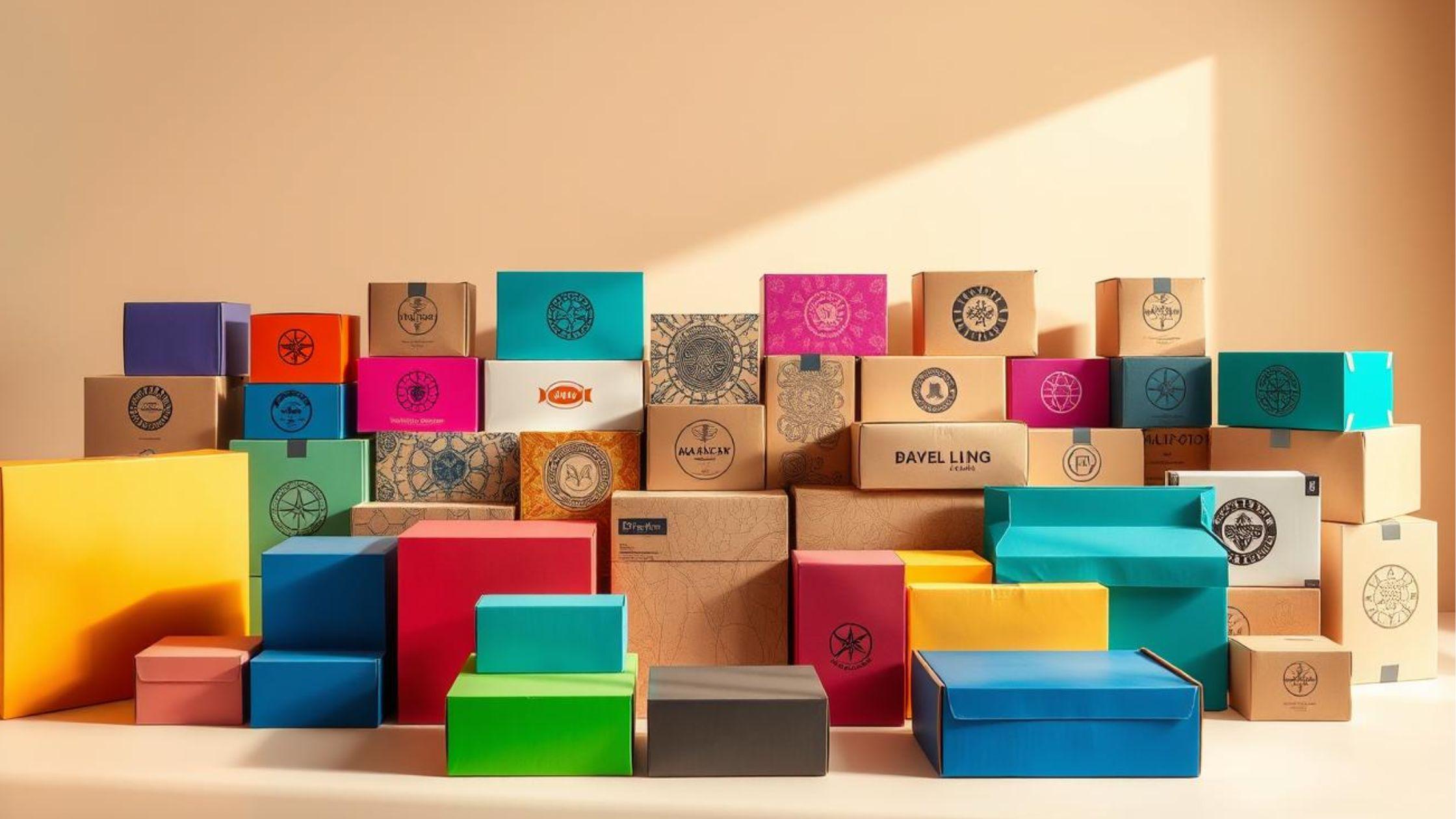
Sustainable packaging continues to shape modern businesses and consumer choices. As environmental awareness grows, brands actively search for packaging solutions that reduce waste and protect natural resources. In this context, cardboard boxes stand out as one of the most widely used and discussed packaging materials. Therefore, many businesses and consumers ask an important question: Are cardboard boxes eco-friendly?
This guide explores the environmental impact of cardboard boxes in detail. Moreover, it explains how cardboard packaging supports sustainability goals, reduces carbon footprints, and contributes to a circular economy. By the end, you will clearly understand why cardboard boxes remain a trusted choice for eco-friendly packaging.
Understanding Cardboard Boxes and Their Composition
Cardboard boxes consist primarily of paper-based materials derived from wood pulp. Manufacturers usually create them from recycled paper, virgin fibers, or a blend of both. As a result, cardboard boxes offer strength, flexibility, and lightweight performance.
Additionally, manufacturers design corrugated cardboard boxes with fluted layers that increase durability without adding excess material. This structure allows businesses to protect products efficiently while using fewer raw resources. Consequently, cardboard packaging balances performance and sustainability effectively.
Why Sustainability Matters in Packaging
Packaging plays a critical role in global waste generation. Plastic waste, in particular, continues to harm oceans, wildlife, and ecosystems. Therefore, businesses increasingly prioritize sustainable packaging solutions that align with environmental responsibility.
Cardboard boxes address these concerns directly. They support waste reduction, encourage recycling, and rely on renewable resources. As a result, brands that choose cardboard packaging demonstrate environmental commitment while meeting consumer expectations.
Cardboard Boxes and Renewable Resources
Cardboard boxes rely on trees as their primary raw material. However, the paper industry actively manages forests through responsible forestry practices. Many manufacturers source wood pulp from sustainably managed forests that follow replanting and conservation guidelines.
Moreover, forestry programs ensure that companies plant new trees to replace harvested ones. Because of this cycle, cardboard boxes come from renewable resources rather than finite materials. In comparison, plastic packaging depends on fossil fuels, which permanently deplete natural reserves.
The Recyclability of Cardboard Boxes
Recyclability represents one of the strongest environmental advantages of cardboard boxes. Recycling facilities widely accept cardboard packaging across the world. Therefore, consumers can easily recycle used boxes through local waste systems.
Furthermore, cardboard boxes maintain high fiber quality during recycling. Manufacturers can recycle cardboard fibers multiple times before degradation occurs. This process significantly reduces the need for virgin raw materials. Consequently, recycling cardboard boxes conserves energy, water, and trees.
Cardboard Boxes and Biodegradability
Unlike plastic, cardboard boxes naturally decompose over time. When cardboard enters the environment, microorganisms break it down without releasing harmful toxins. As a result, cardboard boxes leave minimal long-term environmental impact.
Additionally, biodegradable packaging reduces landfill accumulation. Since cardboard decomposes faster than synthetic materials, it contributes less to long-term waste problems. Therefore, cardboard boxes support cleaner ecosystems and healthier soil.
Energy Efficiency in Cardboard Box Production
Manufacturers use less energy to produce cardboard boxes compared to plastic packaging. Paper mills increasingly rely on renewable energy sources such as biomass and hydropower. As a result, cardboard production emits fewer greenhouse gases.
Moreover, recycling cardboard consumes significantly less energy than producing new paper products. This efficiency further strengthens the environmental benefits of cardboard boxes. Consequently, brands that use recycled cardboard packaging actively reduce their carbon footprint.
Lightweight Design and Reduced Transportation Emissions
Cardboard boxes offer lightweight strength, which improves transportation efficiency. Because cardboard weighs less than many alternative materials, vehicles consume less fuel during shipping.
Additionally, manufacturers design cardboard boxes to stack efficiently. This feature allows companies to transport more products per shipment. As a result, businesses reduce transportation emissions and logistics costs while supporting sustainable operations.
Cardboard Boxes vs Plastic Packaging
Plastic packaging dominates many industries, yet it creates severe environmental challenges. Plastic materials persist in nature for hundreds of years. Moreover, recycling rates for plastic remain significantly lower than those for cardboard.
In contrast, cardboard boxes offer higher recycling rates, faster decomposition, and lower environmental risk. Additionally, cardboard packaging avoids microplastic pollution. Therefore, cardboard boxes provide a safer and more sustainable alternative for brands and consumers alike.
The Role of Cardboard Boxes in a Circular Economy
A circular economy focuses on reuse, recycling, and resource efficiency. Cardboard boxes naturally fit into this model. After initial use, consumers can reuse cardboard boxes for storage, shipping, or organization.
Eventually, recycling facilities process used boxes into new packaging materials. This closed-loop system minimizes waste and maximizes material value. As a result, cardboard boxes actively support circular economy principles.
Sustainable Printing and Inks on Cardboard Boxes
Packaging design often includes printing for branding and information. Fortunately, manufacturers increasingly use water-based and soy-based inks on cardboard boxes. These inks reduce chemical pollution and improve recyclability.
Additionally, eco-friendly coatings replace plastic laminations in modern cardboard packaging. Therefore, brands can maintain visual appeal without compromising sustainability.
Cardboard Boxes and Consumer Perception
Modern consumers value environmentally responsible brands. Studies show that buyers prefer products with eco-friendly packaging. Cardboard boxes communicate sustainability instantly through their natural appearance and recyclability.
Moreover, brands that use cardboard packaging strengthen trust and credibility. As a result, cardboard boxes not only protect products but also enhance brand image and customer loyalty.
Challenges Associated with Cardboard Boxes
Despite many benefits, cardboard boxes face some limitations. Moisture sensitivity can affect performance in wet conditions. However, manufacturers address this issue through eco-friendly coatings and improved structural designs.
Additionally, cardboard packaging requires responsible disposal to achieve full environmental benefits. When consumers recycle cardboard boxes properly, they maximize sustainability outcomes.
Innovations in Sustainable Cardboard Packaging
Packaging innovation continues to improve the eco-friendliness of cardboard boxes. Manufacturers develop stronger corrugated designs that use less material. Moreover, researchers explore alternative fibers such as agricultural waste to reduce reliance on trees.
Additionally, smart packaging solutions enhance durability while maintaining recyclability. These advancements ensure that cardboard boxes remain relevant in future sustainable packaging strategies.
How Businesses Can Maximize the Eco-Friendliness of Cardboard Boxes
Businesses can take several steps to improve sustainability when using cardboard boxes. First, companies should choose boxes made from high recycled content. Second, brands should optimize box sizes to reduce material waste.
Furthermore, businesses can encourage customers to recycle or reuse packaging. Clear recycling instructions printed on cardboard boxes support proper disposal. As a result, brands can amplify the environmental benefits of their packaging choices.
Are Cardboard Boxes Truly Eco-Friendly?
When considering renewability, recyclability, biodegradability, and energy efficiency, cardboard boxes clearly qualify as eco-friendly packaging. They outperform many alternative materials in sustainability metrics.
However, responsible sourcing, efficient design, and proper disposal play essential roles. When businesses and consumers work together, cardboard boxes deliver maximum environmental value.
Final Thoughts on Cardboard Boxes and Sustainable Packaging
Cardboard boxes represent one of the most practical and sustainable packaging solutions available today. They rely on renewable resources, support recycling systems, and minimize environmental harm. Moreover, they align with consumer expectations for eco-friendly packaging.
Therefore, businesses that choose cardboard boxes invest in sustainability, brand reputation, and long-term environmental health. As sustainability continues to influence global markets, cardboard boxes will remain a cornerstone of responsible packaging strategies.

 English
 French
 Spanish
 Portuguese
 Deutsch
 Turkish
 Dutch
Dutch
 Italiano
 Russian
 Romaian
 Portuguese (Brazil)
 Greek
Greek