


How Can You Prevent Hepatitis A and E? Complete Guide
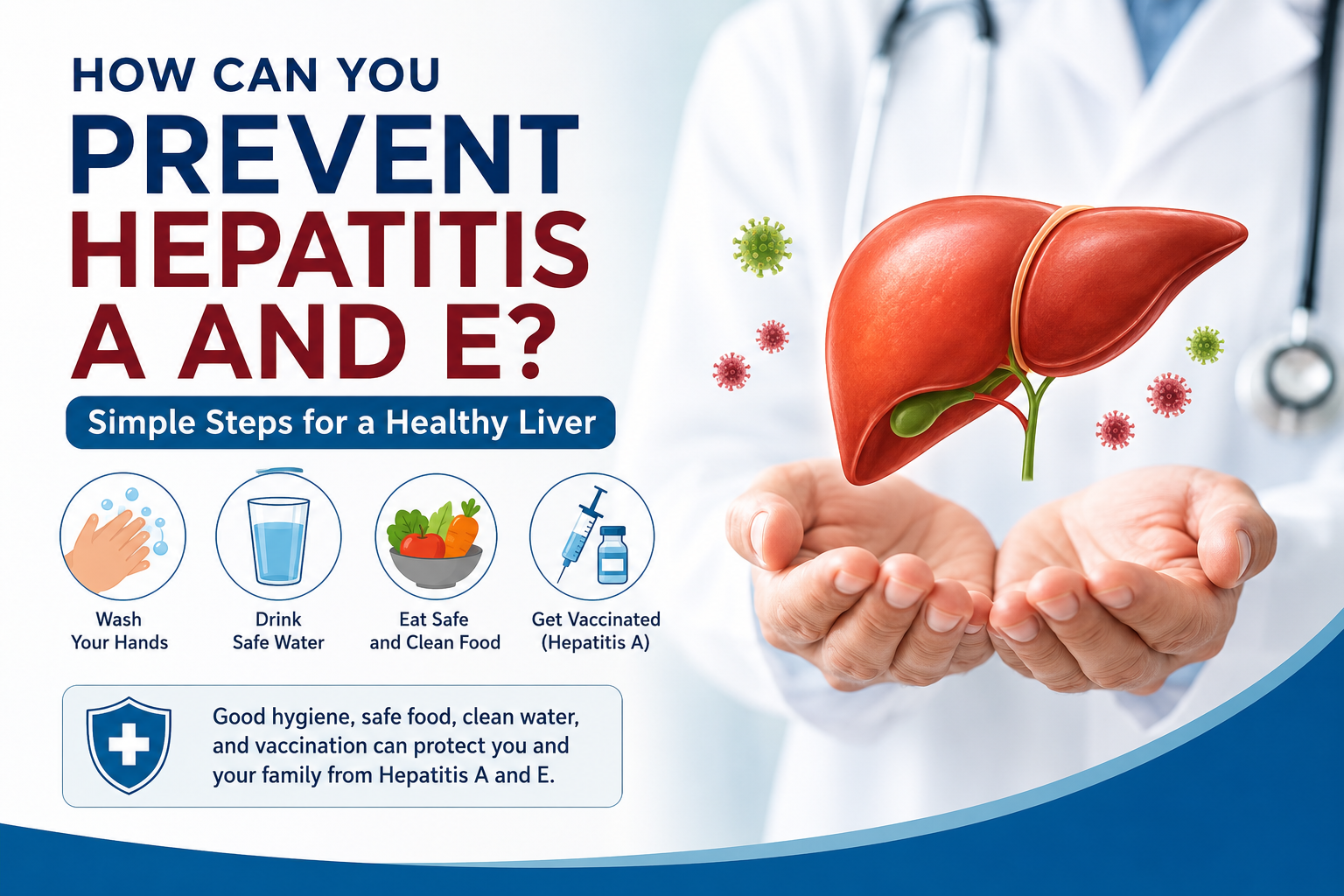
Hepatitis A and Hepatitis E are two viral infections that mainly affect the liver. The good news? Unlike some other types of hepatitis, these infections are largely preventable. Simple habits like washing your hands, drinking safe water, eating hygienic food, and getting vaccinated (where available) can significantly reduce your risk.
Learn how to prevent Hepatitis A and E with simple tips. Know when to consult the best liver transplant surgeon in india for severe liver disease.
Your liver works around the clock, filtering toxins, storing energy, and helping digestion. Think of it as your body's personal cleaning crew. If this hardworking organ becomes infected, your entire body can feel the impact. While most people recover completely from Hepatitis A and E, some individuals—especially pregnant women, older adults, and people with existing liver disease—can develop severe complications.
In this guide, you'll learn everything you need to know about preventing Hepatitis A and E, recognizing early symptoms, protecting your family, and understanding when expert medical care becomes necessary.
Learn how to prevent Hepatitis A and E with simple tips. Know when to consult the best liver transplant surgeon in india for severe liver disease.
What Are Hepatitis A and Hepatitis E?
Hepatitis simply means inflammation of the liver. Hepatitis A Virus (HAV) and Hepatitis E Virus (HEV) cause infections that usually spread through contaminated food and water.
Although both viruses affect the liver, they are different from Hepatitis B and Hepatitis C because they usually do not cause long-term chronic liver disease. Most healthy people recover within a few weeks or months.
However, people with existing liver problems, weakened immunity, or pregnancy may experience severe illness that requires immediate medical attention.
How Do These Viruses Spread?
Understanding how these infections spread is the first step toward prevention.
The most common transmission routes include:
-
Drinking contaminated water
-
Eating contaminated food
-
Poor hand hygiene
-
Improper sewage disposal
-
Close contact with an infected person
-
Eating raw or undercooked shellfish from contaminated water
In many developing countries, outbreaks occur after floods or when clean drinking water becomes contaminated.
The viruses spread through the fecal-oral route, meaning tiny amounts of infected stool contaminate food, water, or surfaces that others touch.
Who Is Most at Risk?
Although anyone can get infected, some groups face a higher risk.
These include:
-
Children living in crowded environments
-
People traveling to areas with poor sanitation
-
Pregnant women (especially with Hepatitis E)
-
People with chronic liver disease
-
Healthcare workers
-
Food handlers
-
People without access to clean drinking water
If you already have liver disease, even a temporary viral infection can place extra stress on your liver.
Early Symptoms You Should Never Ignore
Many people initially mistake hepatitis for the flu because the symptoms are similar.
Watch for:
-
Fever
-
Fatigue
-
Loss of appetite
-
Nausea
-
Vomiting
-
Dark urine
-
Pale-colored stools
-
Yellowing of the skin and eyes (jaundice)
-
Abdominal pain
-
Joint pain
Some people, especially children, may have mild or no symptoms at all but can still spread the infection.
If symptoms persist, consult a liver specialist promptly.
Why Prevention Is Better Than Treatment
Unlike many illnesses, Hepatitis A and E don't have specific antiviral medicines.
Treatment mainly includes:
-
Rest
-
Hydration
-
Good nutrition
-
Avoiding alcohol
-
Regular medical monitoring
Since treatment options are limited, prevention becomes your strongest defense.
Just a few simple daily habits can protect both you and your family.
Maintain Good Personal Hygiene
One of the easiest ways to prevent Hepatitis A and E is proper handwashing.
Wash your hands:
-
Before eating
-
Before cooking
-
After using the toilet
-
After changing diapers
-
After touching garbage
-
Before feeding children
Use soap and clean water for at least 20 seconds.
If soap isn't available, use an alcohol-based sanitizer, although handwashing remains the best option after toilet use.
Good hygiene also includes keeping kitchen surfaces clean and avoiding cross-contamination between raw and cooked foods.
Drink Safe Water Every Day
Unsafe drinking water is one of the biggest causes of Hepatitis A and E outbreaks.
To stay protected:
-
Drink boiled water if you're unsure about water quality.
-
Use certified water filters.
-
Drink bottled water while traveling if necessary.
-
Avoid ice cubes made from unsafe water.
-
Store drinking water in clean containers.
If flooding has affected your area, be especially cautious because water supplies can become contaminated.
Eat Food That Is Safe and Clean
Food safety plays a huge role in preventing liver infections.
Choose foods that are:
-
Freshly cooked
-
Served hot
-
Prepared in hygienic kitchens
Avoid:
-
Raw seafood
-
Undercooked meat
-
Unwashed fruits
-
Street food from unhygienic vendors
-
Food left uncovered for long periods
Wash fruits and vegetables thoroughly before eating.
When traveling, remember this simple rule:
"Boil it, cook it, peel it—or leave it."
Hepatitis A Vaccination: Who Needs It?
One of the biggest advantages with Hepatitis A is that it can be prevented through vaccination.
Vaccination is recommended for:
-
Children
-
International travelers
-
Healthcare professionals
-
People with chronic liver disease
-
Individuals with weakened immunity
-
Food industry workers
The vaccine provides long-lasting protection and is considered very safe.
Unfortunately, there is no widely available vaccine for Hepatitis E in most countries, making hygiene and sanitation even more important.
Travel Tips to Prevent Hepatitis A and E
Traveling to areas with poor sanitation doesn't mean you have to get sick.
Stay safe by:
-
Drinking bottled or boiled water
-
Avoiding raw salads
-
Eating freshly cooked meals
-
Washing hands frequently
-
Carrying hand sanitizer
-
Avoiding street food if hygiene is questionable
-
Getting vaccinated against Hepatitis A before travel
Planning ahead can save you from weeks of illness.
Protecting Pregnant Women and High-Risk Individuals
Pregnant women deserve special attention because Hepatitis E can become life-threatening during pregnancy, particularly in the third trimester.
Extra precautions include:
-
Drinking only clean water
-
Eating hygienically prepared meals
-
Seeking immediate medical care if jaundice develops
-
Regular prenatal checkups
-
Avoiding unsafe food during travel
People with cirrhosis, fatty liver disease, or previous liver injury should also be especially careful.
What to Do If You Think You're Infected
If you notice symptoms of hepatitis:
-
Visit a doctor immediately.
-
Avoid alcohol completely.
-
Drink plenty of fluids.
-
Eat nutritious meals.
-
Get liver function tests if advised.
-
Rest adequately.
Avoid self-medication because certain medicines can place additional stress on the liver.
Early diagnosis helps prevent complications and limits the spread of infection to others.
When Can Hepatitis Become Serious?
Although most infections improve naturally, complications can occur.
Seek urgent medical care if you experience:
-
Confusion
-
Persistent vomiting
-
Severe jaundice
-
Bleeding
-
Extreme weakness
-
Swelling of the abdomen
-
Difficulty staying awake
People with pre-existing liver disease may develop acute liver failure, a medical emergency.
In extremely rare situations where liver failure becomes irreversible, evaluation by the best liver transplant surgeon in india may be necessary to determine whether liver transplantation is the appropriate life-saving treatment. Fortunately, this situation is uncommon, especially when infections are prevented or treated promptly.
How to Keep Your Liver Healthy
Preventing hepatitis is only one part of maintaining a healthy liver.
Support your liver by:
-
Maintaining a healthy weight
-
Exercising regularly
-
Eating a balanced diet
-
Limiting processed foods
-
Avoiding excessive alcohol
-
Managing diabetes
-
Keeping cholesterol under control
-
Getting vaccinated against Hepatitis A and B
-
Taking medicines only as prescribed
-
Having regular health checkups if you have liver disease
Small lifestyle changes today can prevent major liver problems tomorrow.
Final Thoughts
Hepatitis A and Hepatitis E are largely preventable infections, yet they continue to affect millions of people worldwide because of poor sanitation, unsafe food, and contaminated water. Fortunately, protecting yourself doesn't require complicated steps. Washing your hands, drinking clean water, eating safely prepared food, maintaining good hygiene, and getting vaccinated against Hepatitis A can dramatically lower your risk.
Most people recover fully, but those with chronic liver disease, weakened immunity, or pregnancy should be extra cautious because complications can be serious. Paying attention to early symptoms and seeking medical advice without delay can prevent severe liver damage.
Remember, your liver quietly supports hundreds of essential functions every day. Looking after it through healthy habits and preventive care is one of the best investments you can make in your long-term health.
Frequently Asked Questions (FAQs)
1. Can Hepatitis A and Hepatitis E be completely prevented?
Yes. Good hygiene, safe drinking water, proper food handling, sanitation, and Hepatitis A vaccination greatly reduce the risk. While Hepatitis E has no widely available vaccine in most countries, preventive hygiene measures are highly effective.
2. Is Hepatitis A more dangerous than Hepatitis E?
Both infections are usually mild in healthy people. However, Hepatitis E can be more severe in pregnant women and individuals with existing liver disease.
3. Can I get Hepatitis A or E from sharing food with an infected person?
The risk increases if food is prepared by someone with poor hand hygiene after using the toilet. Proper handwashing and safe food preparation significantly reduce transmission.
4. Should people with fatty liver disease worry about Hepatitis A and E?
Yes. People with fatty liver disease or other chronic liver conditions may develop more serious complications if they become infected. Preventive measures and Hepatitis A vaccination, when appropriate, are especially important.
5. When should I consult a liver specialist for Hepatitis A or E?
Seek medical attention if you develop jaundice, severe abdominal pain, persistent vomiting, confusion, extreme fatigue, or if you already have chronic liver disease. Early evaluation can help prevent complications and ensure timely treatment.

 English
 Arabic
 Spanish
 Portuguese
 Deutsch
 Turkish
 Dutch
Dutch
 Italiano
 Russian
 Romaian
 Portuguese (Brazil)
 Greek
Greek