


Best Time of Year for Buying Bees: A Beginner’s Calendar
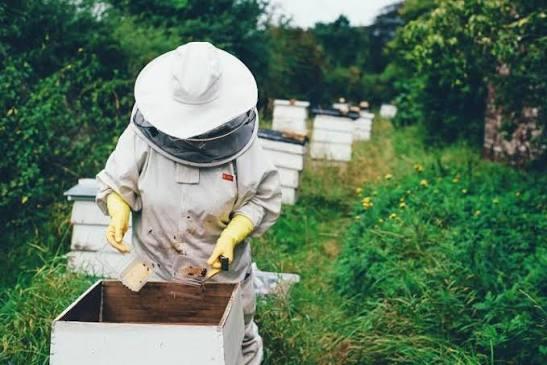
Getting started in beekeeping is an exciting journey, but one of the first and most important questions beginners ask is: When is the best time to buy bees? Timing is everything in beekeeping. From purchasing your bees to setting up your hive and gearing up with the right tools—like knowing when to buy beekeeping suits online—a well-timed start can be the difference between a strong colony and a struggling one.
This beginner’s calendar walks you through the best times of the year to buy bees and what else you should be doing month by month to prepare for a successful season.
Why Timing Matters in Beekeeping
Bees are seasonal creatures, and their life cycles are tied closely to the availability of nectar and pollen in your area. If you buy them too early or too late, they may struggle to build a colony strong enough to survive. Timing your purchase right helps ensure your bees are introduced to a well-prepared hive and are equipped to thrive. Just as important, buying beekeeping suits online early ensures you're protected and ready when the bees arrive.
Early Spring (March–April): The Best Time to Buy Bees
For most regions, early spring is the prime time to buy bees. Bee suppliers start selling bee packages and nucs (nucleus colonies) during this window to align with the natural build-up of bee colonies.
Why Early Spring Is Ideal:
-
Spring blooms provide a natural nectar flow to support new colonies.
-
Queens start laying eggs, helping expand the hive population quickly.
-
It allows a full season for the colony to grow and store honey.
If you’re a beginner, aim to place your bee order as early as January or February, since supplies often sell out fast. And don’t forget—buy beekeeping suits online early so you’re not caught unprepared.
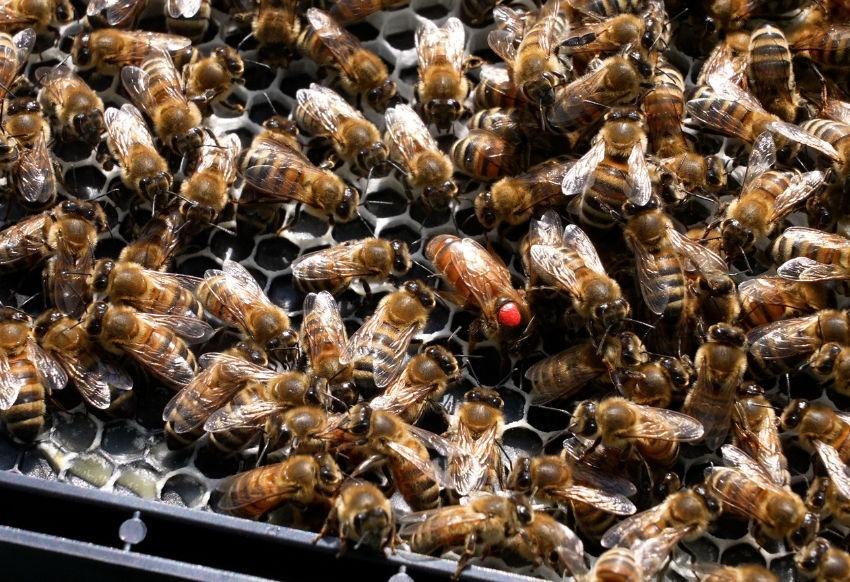
Late Spring to Early Summer (May–June): A Second Opportunity
While not as optimal as early spring, late spring and early summer still provide a decent window for new beekeepers.
What to Know About This Season:
-
Bee availability may be limited.
-
Colonies will have less time to build before winter.
-
You may need to feed your bees more to help them establish.
This is also a time when the temperatures rise, making ventilated full-body bee suits a smart choice. Many beginners use this time to learn and adapt to the hive's needs, especially when starting slightly later.
Fall and Winter (September–February): Not for Bee Buying, But Perfect for Preparation
Fall and winter are not ideal times to buy bees, as most suppliers pause bee sales during this period. However, it's an excellent time to prepare your beekeeping setup.
Here’s What You Can Do in the Off-Season:
-
Research the best time to start beekeeping in your region.
-
Choose your hive components and location.
-
Buy beekeeping suits online to take advantage of off-season discounts.
-
Order feeders, smokers, hive tools, and other gear.
Getting everything ready ahead of time will make spring setup smoother and give your bees a strong start.
Packages vs. Nucs: What Should Beginners Buy?
You’ll typically choose between bee packages or nucleus colonies (nucs). Both are available in early spring, but they have different advantages:
-
Packages come with thousands of bees and a caged queen. They're usually cheaper but require more attention.
-
Nucs include frames with brood, honey, and an active queen. They’re more established and easier for beginners.
Whichever you choose, make sure you’re fully geared up with a beekeeping suit, gloves, and tools before pick-up day. Many beginners forget this crucial step—don’t be one of them.
Month-by-Month Beekeeping Calendar for Beginners
Here’s a simple guide to help you stay on track:
|
Month |
What to Do |
|
Jan–Feb |
Research local suppliers, order bees, and gear up. Buy beekeeping suits online for the best selection. |
|
Mar–Apr |
Bees arrive! Set up the hive, install your bees, monitor their progress. |
|
May–Jun |
Add supers, watch for swarm signs, and keep feeding if needed. |
|
Jul–Aug |
Hive inspections, mite checks, and honey harvesting begin. |
|
Sep–Oct |
Prep for winter: reduce space, treat for mites, ensure food stores. |
|
Nov–Dec |
Rest, reflect, and prepare. Clean equipment, plan for next season. |
This calendar keeps your beekeeping organized, seasonal, and beginner-friendly.
Essential Gear: What to Buy Before Your Bees Arrive
Even before your bees show up, make sure you have the right gear in hand. Here’s your beginner beekeeping equipments checklist:
-
Hive components (bottom board, deep boxes, inner and outer covers)
-
Frames and foundation
-
Smoker and hive tool
-
Bee feeder
-
Full-body bee suit with veil
-
Durable beekeeping gloves
-
Bee brush
Many beginners prefer to buy beekeeping suits online for greater variety in sizing, comfort features, and breathable fabrics. Look for lightweight or ventilated bee suits if you're in a hot climate.
Conclusion: Plan Early, Be Ready, and Enjoy the Journey
Beekeeping success starts with good timing. Buying bees in early spring, preparing gear in winter, and following a seasonal calendar gives your colony the best chance to thrive. And remember—don’t wait until the last minute to suit up.
✅ Buy beekeeping suits online
✅ Order bees early
✅ Stick to your beekeeping calendar
With preparation and passion, your first year in beekeeping can be rewarding, productive, and full of buzz.

 English
 Arabic
 French
 Spanish
 Portuguese
 Deutsch
 Turkish
 Dutch
Dutch
 Italiano
 Romaian
 Portuguese (Brazil)
 Greek
Greek