


How to Build a Strong Foundation for Careers in Space Science
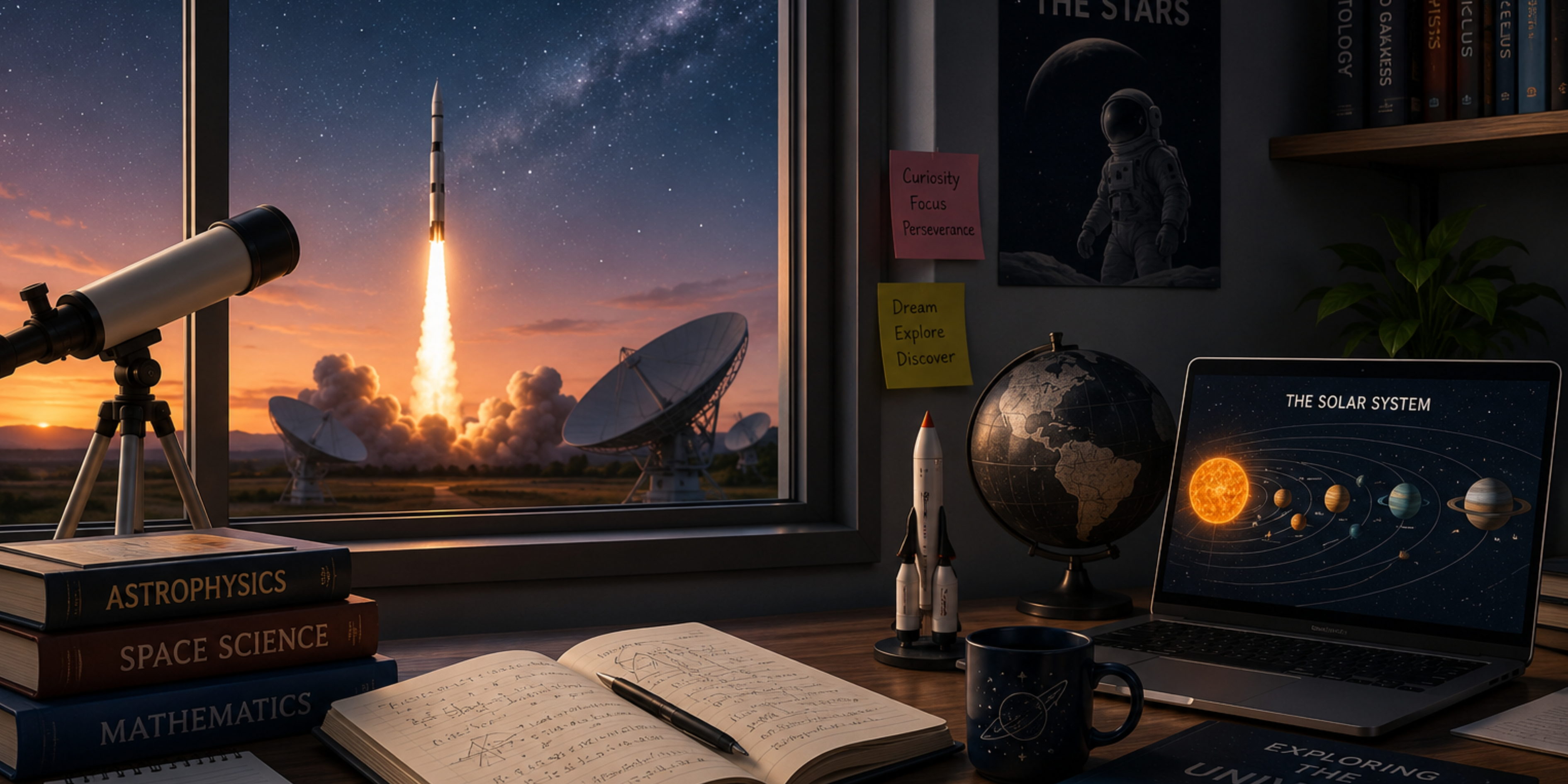
The global space industry is expanding rapidly, creating exciting opportunities for scientists, engineers, researchers, and technology professionals. With advancements in satellite technology, space exploration, and private space missions, the demand for skilled talent continues to grow. For students who dream of exploring the universe, building a strong academic and practical foundation is the first step toward successful Careers in Space Science.
Parents, educators, schools, and educational organizations all play an important role in helping young learners develop the knowledge and skills needed to succeed in this evolving field.
Develop Strong STEM Fundamentals
A successful journey into space science begins with mastering STEM subjects Science, Technology, Engineering, and Mathematics. Concepts in physics and mathematics form the backbone of understanding planetary motion, satellite systems, rocket propulsion, and space exploration.
Students should focus on strengthening problem-solving abilities, logical reasoning, and analytical thinking from an early age. A solid understanding of these subjects makes advanced learning much easier as they progress through higher education.
Building strong STEM skills creates the academic foundation required for careers in space science across various specializations.
Encourage Curiosity Through Practical Learning
Space science is best understood through exploration and hands-on experiences. Practical learning helps students connect classroom concepts with real-world applications.
Activities such as:
-
Observing the night sky
-
Using telescopes
-
Participating in astronomy workshops
-
Building simple science models
-
Joining science fairs and competitions
These experiences improve observation skills while encouraging curiosity and independent thinking. Interactive learning also makes complex scientific concepts easier to understand and more enjoyable.
Explore Specialized Learning Opportunities
Beyond school education, students benefit from specialized programs focused on astronomy, robotics, coding, and space technology. Online learning platforms, science camps, and educational workshops provide additional exposure to emerging technologies and current developments in the space industry.
These programs introduce learners to subjects that may not be covered extensively in traditional classrooms, helping them gain broader scientific knowledge and practical experience.
Exposure to such learning opportunities strengthens preparation for future careers in space science by expanding both technical knowledge and critical thinking skills.
Build Essential Soft Skills
While technical expertise is important, employers in the space industry also value communication, teamwork, adaptability, and creativity. Space missions involve collaboration between scientists, engineers, software developers, and researchers from different disciplines.
Students should develop presentation skills, participate in group projects, and practice collaborative problem-solving. These experiences prepare them for multidisciplinary work environments where innovation depends on effective teamwork.
Strong interpersonal skills complement scientific knowledge and improve long-term career prospects.
Stay Updated with Space Discoveries
The space sector evolves continuously through new discoveries, technological advancements, and international missions. Students interested in space science should regularly follow scientific news, attend webinars, read educational articles, and explore updates from global space agencies.
Keeping up with industry developments helps learners understand emerging career opportunities while maintaining enthusiasm for scientific exploration.
Continuous learning is an essential habit for anyone planning careers in space science, as the field constantly introduces new technologies and research opportunities.
The Role of Schools and Educational Organizations
Educational institutions can significantly influence students' interest in space science by offering STEM-focused programs, astronomy clubs, innovation labs, and project-based learning. Businesses and educational organizations investing in experiential science education also contribute to building a future-ready workforce.
Providing access to quality resources, expert mentors, and engaging learning experiences encourages students to explore scientific careers with confidence.
Conclusion
Building a strong foundation for careers in space science requires a combination of academic excellence, practical learning, curiosity, and continuous skill development. Students who strengthen their STEM knowledge while embracing hands-on experiences are better prepared for opportunities in this rapidly growing industry.
For parents, educators, businesses, and educational institutions, investing in high-quality science education today helps nurture the innovators, researchers, and space professionals who will shape tomorrow's discoveries. By encouraging curiosity and lifelong learning, we can inspire the next generation to reach beyond the stars.

 English
 Arabic
 French
 Spanish
 Portuguese
 Turkish
 Dutch
Dutch
 Italiano
 Russian
 Romaian
 Portuguese (Brazil)
 Greek
Greek