


Labrador Retriever: Temperament, Training Needs, and Care
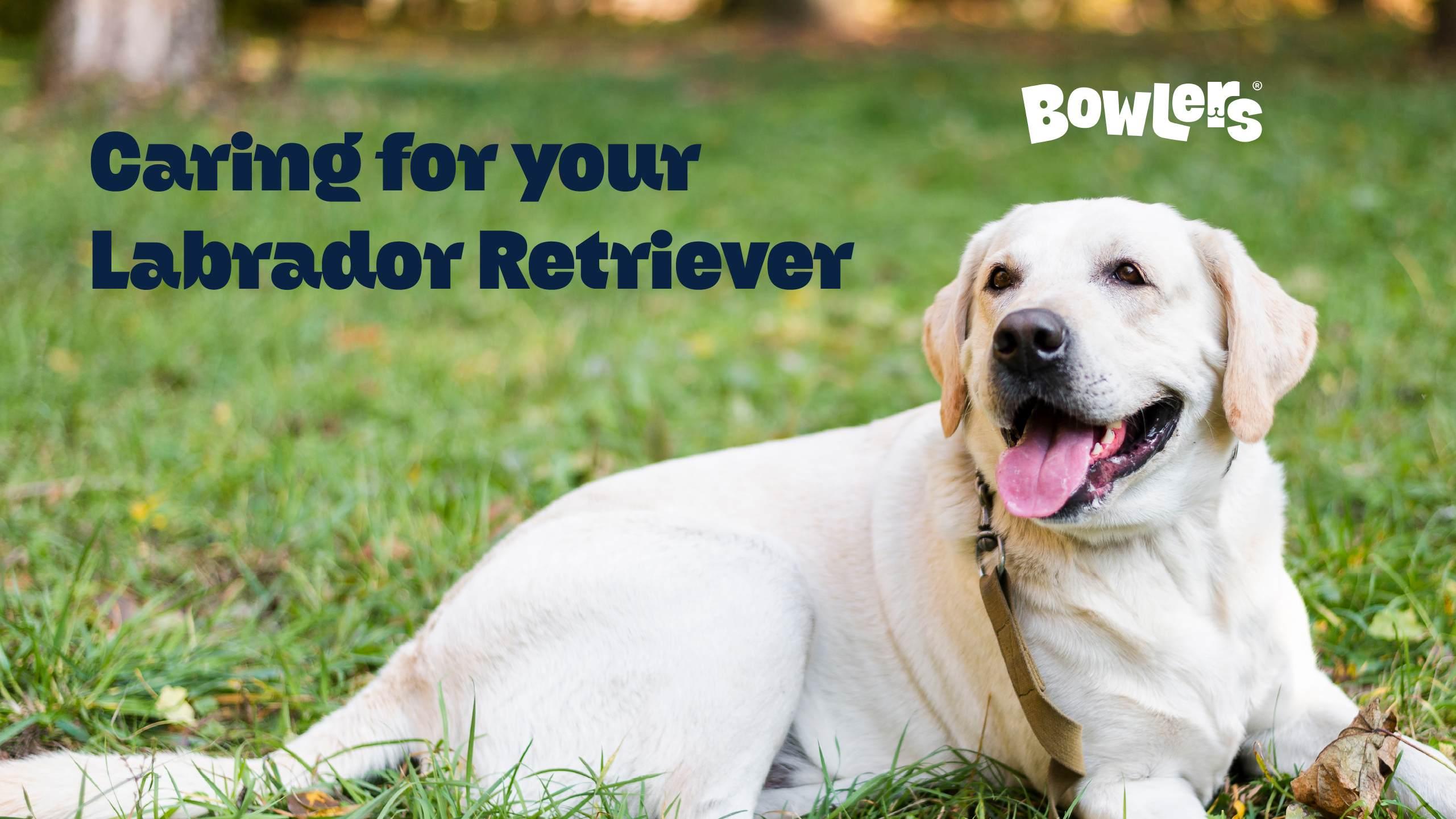
If you’ve ever watched a Labrador Retriever sprint across a park—tail wagging, ears flapping, eyes glowing with happiness—you already understand why they’re among the most loved dog breeds worldwide.
Labradors are friendly, energetic, intelligent, and deeply loyal, making them exceptional family pets as well as highly capable working dogs.
As part of our “Popular Dog Breeds and Their Unique Characteristics” series, this guide covers everything you need to know about Labrador Retrievers—their temperament, training requirements, daily care, and the importance of proper nutrition, including choosing the right dog food for long-term health.
Temperament: Why Labradors Are Universally Loved
Labrador Retrievers are often described as the perfect mix of enthusiasm and friendliness. They thrive on human interaction, making them ideal for families, active individuals, and first-time dog parents.
Friendly & Outgoing
Labradors get along easily with children, adults, strangers, and other pets. This adaptability makes them perfect for busy households and social environments.
Many new pet parents ask, “Are Labradors good with children and other pets?”
Yes—thanks to their gentle, tolerant, and patient nature, Labradors make excellent family dogs.
Energetic & Playful
Labs love staying active. Whether it’s running, hiking, swimming, or endless games of fetch, they have high stamina and need regular activity to stay content.
Intelligent & Eager to Please
This trait makes Labradors highly trainable. They respond extremely well to positive reinforcement and often learn commands faster than many other breeds.
If you enjoy dogs with warm, affectionate personalities, you may also like exploring our article on Golden Retrievers in this series.
Training Needs: Building a Well-Mannered Labrador
Training a Labrador is enjoyable but requires consistency due to their enthusiasm and high energy levels.
Start Early
Labrador puppies are curious and playful. Begin training early with basic commands such as sit, stay, recall, and leash manners. Early guidance helps prevent habits like jumping, chewing, or pulling.
Redirect teething and exploratory chewing with durable, non-toxic options like Bowler’s Chewropes, which are ideal during early training stages.
A common question owners ask is, “Are Labradors easier to train than other breeds?”
Absolutely. Their intelligence and food motivation make them one of the easiest breeds to train.
Positive Reinforcement Works Best
Labradors love food—sometimes a little too much—so reward-based training is highly effective. Use healthy treats or small portions of their favourite Bowlers pet food during training sessions.
Mental & Physical Stimulation
Labradors are happiest when both their mind and body are engaged. Great activities include:
Obedience training
Puzzle toys
Retrieval games
Swimming sessions
Long, structured walks
Compared to Labradors, German Shepherds often require more intense and disciplined exercise routines.
Socialisation
Expose your Labrador to different people, pets, and environments early on. This builds confidence and reduces the risk of fear-based behaviours later in life.
Daily Care Guide: Nutrition, Exercise & Grooming
Caring for a Labrador Retriever goes beyond affection—they have specific lifestyle needs, especially when it comes to diet and activity.
Nutrition: The Foundation of Labrador Health
Labradors love to eat, which makes portion control essential. A high-quality, balanced diet like Bowlers dog food supports their energy levels, digestion, coat health, and joint strength.
Many owners ask, “What is the best food for Labradors to prevent obesity?”
Look for dog food that includes:
High-quality protein
Omega fatty acids
Glucosamine for joint health
Controlled calorie content
Bowlers offers nutritionally balanced formulas designed for active breeds like Labradors. For convenience, you can also buy dog food online and maintain a consistent feeding routine without interruptions.
Exercise Requirements
Labradors typically need 1–2 hours of daily exercise. Without enough activity, they may develop unwanted behaviours such as chewing, digging, excessive barking, or hyperactivity.
A common question is, “How much exercise does a Labrador need to stay healthy?”
A daily mix of physical activity and mental stimulation keeps them balanced and content.
Ideal activities include:
Fetch
Jogging or running alongside you
Agility training
Long walks
Swimming (a Labrador favourite!)
Compared to Beagles, which require scent-based mental stimulation, Labradors need more physically demanding exercise.
Grooming Needs
Labradors have a water-resistant double coat, which means:
Moderate shedding throughout the year
Increased shedding during seasonal changes
Weekly brushing is recommended
Baths should be occasional to preserve natural oils
Regular nail trimming and ear cleaning are also important.
A frequently asked question is, “Do Labradors shed more than Golden Retrievers?”
Labradors shed moderately, but Golden Retrievers shed more due to their longer and denser coats.
Emotional & Social Needs
Labradors are highly social dogs and dislike being left alone for long periods. They enjoy companionship—whether that’s joining family outings or relaxing indoors with their people.
If you work long hours, consider a dog walker or scheduled playtime. A bored Labrador can quickly turn mischievous.
Labrador Retriever Compared to Other Breeds
Each breed has its own strengths:
German Shepherds: Intelligent, protective, and excellent working dogs
Golden Retrievers: Calm, affectionate, and family-oriented
French Bulldogs: Low-energy companions suited for small homes
Beagles: Curious, scent-driven explorers
Labradors stand out for their balance of energy, friendliness, and adaptability.
Final Thoughts: Raising a Happy, Healthy Labrador
Labrador Retrievers are joyful, loyal, and deeply affectionate companions. With the right mix of training, exercise, emotional engagement, and nutrition, they grow into confident and well-balanced dogs. Choosing Bowlers Dog Food ensures your pet receives complete and balanced daily nutrition.
A healthy Labrador needs:
Consistent training
Daily physical activity
Emotional connection
Regular grooming
High-quality pet food formulated for active dogs
Whether you’re welcoming a Labrador puppy or adopting an adult, Bowlers supports the nutrition your dog needs for a happy, healthy life. Labrador Retriever- Temperament, Training highlights their friendly nature and eagerness to learn.
FAQs: Labrador Retriever Care Guide
-
Are Labradors easy to train?
Yes. Their intelligence and eagerness to please make training simple with positive reinforcement. -
How much exercise does a Labrador need?
Around 60–90 minutes of daily activity to stay fit and avoid boredom. -
What should a Labrador eat?
A balanced diet like Bowlers dog food, with careful portion control. You can also buy dog food online for added convenience. -
Do Labradors shed a lot?
Yes, they shed year-round. Regular brushing helps manage shedding. -
Are Labradors good family dogs?
Absolutely. They are gentle, patient, and excellent with children.

 English
 Arabic
 French
 Spanish
 Portuguese
 Deutsch
 Turkish
 Dutch
Dutch
 Italiano
 Russian
 Portuguese (Brazil)
 Greek
Greek