


Does Lack of Protein Cause Hair Problems? Here’s the Truth
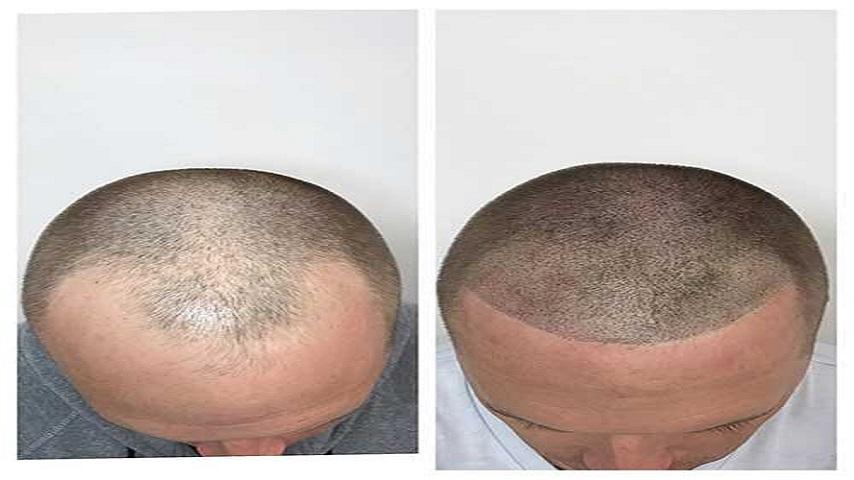
Hair health is often influenced by lifestyle, genetics, and external factors, but one element plays a foundational role in how your hair grows, feels, and behaves: protein. Protein is the building block of hair, making up nearly 90 percent of each strand in the form of keratin. When the body does not get enough protein, it prioritizes essential functions like tissue repair and hormone production—leaving hair growth low on the list.
Many people experience hair fall, thinning, dull texture, or slow growth without realizing that poor protein intake may be the core reason. This blog uncovers the truth about how lack of protein affects the hair and what you can do to restore strength and vitality.
Why Protein Matters for Hair Health
Hair follicles need a steady supply of amino acids (the building blocks of protein) to form new hair cells. Without adequate protein:
- Hair becomes weaker and thinner
- Growth slows down
- Breakage increases
- Hair strands lose their elasticity
In simple terms, you cannot grow strong, healthy hair without enough protein in your daily diet.
Signs You Might Have a Protein Deficiency Affecting Your Hair
Protein deficiency does not always show up immediately. Over time, a lack of protein can lead to noticeable hair changes. Common signs include:
1. Excessive Hair Shedding
The hair enters the shedding phase faster when it lacks the proteins required for growth.
2. Thin or Weak Strands
Hair becomes finer and loses density because the follicles cannot produce thick, strong strands.
3. Increased Breakage
Without enough keratin formation, the hair shaft becomes fragile and snaps easily while combing or styling.
4. Slow Hair Growth
Protein deficiency delays the hair growth cycle, resulting in slow or stalled growth.
5. Dullness and Rough Texture
Hair loses its shine and becomes rough because it lacks structural strength and nourishment.
6. Split Ends
Weakened hair fibers are more prone to splitting, leading to frayed, uneven lengths.
7. Patchy Thinning in Severe Cases
When the deficiency is severe, the body may divert nutrients completely away from hair growth, causing visible thinning or patches.
How Lack of Protein Affects the Hair Growth Cycle
The hair growth cycle consists of three phases: anagen (growth), catagen (transition), and telogen (resting/shedding). When protein levels are inadequate:
- The anagen phase shortens, reducing overall growth
- More hair shifts prematurely into the telogen phase, causing shedding
- Follicles produce weaker strands during each cycle
This imbalance leads to a long-term reduction in hair thickness, volume, and strength.
Who Is Most at Risk of Protein-Related Hair Problems?
Certain individuals may be more prone to protein deficiency:
- Strict vegetarians or vegans without proper meal planning
- Children with picky eating habits
- People on crash diets or weight-loss programs
- Individuals with digestive issues affecting nutrient absorption
- Athletes with high protein demands
- Those recovering from illness or surgery
Understanding these risk factors helps in proactive prevention.
How Much Protein Do You Really Need?
Protein needs vary with age, gender, and activity levels. On average:
- Adult women: around 46 grams daily
- Adult men: around 56 grams daily
- Children and teens: 13 to 52 grams depending on age
Ensuring a balanced intake throughout the day supports healthy hair regeneration.
Best Protein Sources for Healthy Hair
1. Eggs
Rich in high-quality protein and biotin, essential for keratin production.
2. Dairy Products
Milk, cheese, and yogurt provide protein along with hair-supporting nutrients like calcium and vitamin D.
3. Lean Meats and Poultry
Chicken, turkey, and lean cuts of meat supply complete proteins for hair repair.
4. Fish
Salmon, tuna, and sardines offer both protein and omega-3 fatty acids.
5. Lentils and Legumes
Ideal for vegetarians, these provide protein, iron, and zinc.
6. Nuts and Seeds
Almonds, walnuts, and pumpkin seeds boost protein intake and nourish the scalp.
7. Soy and Tofu
Excellent plant-based protein sources for growth and strength.
8. Whole Grains and Sprouts
Supplement daily meals with moderate protein and essential minerals.
Can Too Little Protein Cause Hair Loss? The Truth
Yes. When the body faces a protein deficit, it enters a preservation mode. Hair production is not critical for survival, so the body reduces support for the follicles. This leads to increased shedding (often called telogen effluvium) and long-term thinning if the deficiency continues.
The good news is that protein-related hair loss is reversible once dietary intake improves.
How to Restore Hair Health Through Protein
1. Add Protein to Every Meal
Include eggs, dairy, legumes, nuts, or lean meats regularly.
2. Balance Protein with Other Nutrients
Hair also needs iron, zinc, biotin, and vitamins A, C, and D.
3. Stay Hydrated
Protein functions best when the body is adequately hydrated.
4. Avoid Crash Diets
Rapid dieting drastically reduces protein intake and leads to sudden hair loss.
5. Consider Professional Guidance
If you suspect deficiency, a trichologist or nutritionist can help identify the cause and plan the right diet.
When to Seek Help
You should consult a professional if:
- You see sudden or severe hair fall
- Hair becomes extremely thin or fragile
- Scalp feels irritated or sensitive
- You cannot meet your protein needs through diet alone
Timely diagnosis helps prevent long-term follicle damage.
Conclusion
Protein is essential for strong, healthy hair. A lack of protein weakens the hair structure, slows growth, increases shedding, and leads to dullness and breakage. The truth is simple: without sufficient protein, your hair cannot thrive. By understanding your body’s protein needs and incorporating the right foods into your daily routine, you can restore strength, shine, and vitality to your hair.
Protein-Rich Diet for Hair Growth: A Parent’s Guide to Healthy Hair

 English
 Arabic
 French
 Spanish
 Portuguese
 Deutsch
 Turkish
 Dutch
Dutch
 Russian
 Romaian
 Portuguese (Brazil)
 Greek
Greek