


The Future of Smart Homes: Energy Monitoring with Custom Hardware
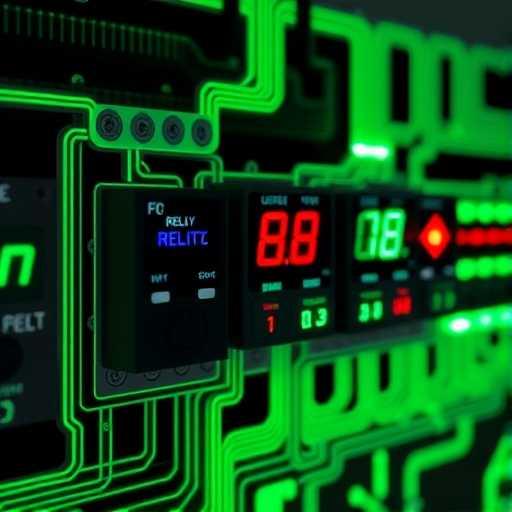
Smart homes are no longer a futuristic concept—they are quickly becoming the standard for modern living. From intelligent lighting to automated security systems, homeowners are increasingly relying on technology to improve comfort, safety, and efficiency. Among all smart home innovations, energy monitoring powered by custom hardware is emerging as one of the most impactful developments. It is redefining how homeowners understand, control, and optimize their energy consumption.
Why Energy Monitoring Is Critical in Smart Homes
Rising electricity costs, environmental concerns, and the push for sustainability have made energy efficiency a top priority. Traditional electricity meters only provide total consumption data, offering little insight into where energy is actually being used.
Smart energy monitoring systems solve this problem by:
· Tracking real-time power usage
· Identifying energy-hungry appliances
· Detecting power wastage and inefficiencies
· Helping homeowners reduce monthly energy bills
When this monitoring is supported by custom-designed hardware, the accuracy and flexibility improve significantly.
The Role of Custom Hardware in Energy Monitoring
Custom hardware refers to purpose-built electronic devices designed specifically for energy measurement and control. Unlike off-the-shelf smart plugs or generic meters, custom hardware can be tailored to meet the exact requirements of a smart home.
These systems typically include:
· High-precision current and voltage sensors
· Microcontrollers or embedded processors
· Communication modules (Wi-Fi, Zigbee, LoRa, or Bluetooth)
· Secure firmware for data processing
Custom hardware allows seamless integration with existing electrical panels, solar inverters, battery storage systems, and home automation platforms.
Real-Time Insights for Smarter Decisions
One of the biggest advantages of energy monitoring with custom hardware is real-time data visibility. Homeowners can monitor energy consumption down to individual circuits or appliances using mobile apps or dashboards.
This enables:
· Immediate detection of abnormal power usage
· Better scheduling of high-load devices
· Smarter use of renewable energy sources
· Data-driven decisions for home upgrades
Instead of guessing why electricity bills are high, users gain clear insights backed by accurate data.
Integration with Automation and AI
The future of smart homes lies in intelligent automation, and energy monitoring plays a key role. Custom hardware systems can work alongside AI-powered software to automatically optimize energy usage.
For example:
· HVAC systems adjust based on real-time consumption and occupancy
· Appliances run during off-peak hours to reduce costs
· Solar energy is prioritized before grid power
· Battery storage is managed for maximum efficiency
This level of automation is only possible when hardware and software are designed to work together seamlessly.
Enhanced Safety and Reliability
Beyond savings and efficiency, custom energy monitoring hardware also improves home safety. These systems can detect:
· Overloads and short circuits
· Voltage fluctuations
· Faulty wiring or failing appliances
Early alerts help prevent electrical fires, equipment damage, and unexpected power failures, making smart homes not just efficient—but safer.
Sustainability and the Green Future
Energy monitoring is a powerful tool for sustainability. By understanding consumption patterns, homeowners can reduce carbon footprints and support global energy-saving initiatives. Custom hardware ensures compatibility with renewable energy solutions such as rooftop solar panels and smart grids, supporting a cleaner and more sustainable future.
What Lies Ahead for Smart Home Energy Monitoring
As technology evolves, energy monitoring systems will become even more compact, intelligent, and affordable. Advances in IoT, edge computing, and AI will further enhance the capabilities of custom hardware. In the near future, smart homes will not just consume energy—they will actively manage, store, and share it efficiently.
Conclusion
The future of smart homes is deeply connected to energy monitoring with custom hardware. It empowers homeowners with precise insights, intelligent automation, improved safety, and long-term cost savings. As demand for smarter and greener living grows, custom energy monitoring solutions will play a central role in shaping homes that are efficient, sustainable, and truly intelligent.
Overcoming Manufacturing Challenges with Advanced Software Tools

 English
 Arabic
 French
 Spanish
 Portuguese
 Deutsch
 Turkish
 Dutch
Dutch
 Russian
 Romaian
 Portuguese (Brazil)
 Greek
Greek