


How Remodeling Price Estimates Are Calculated
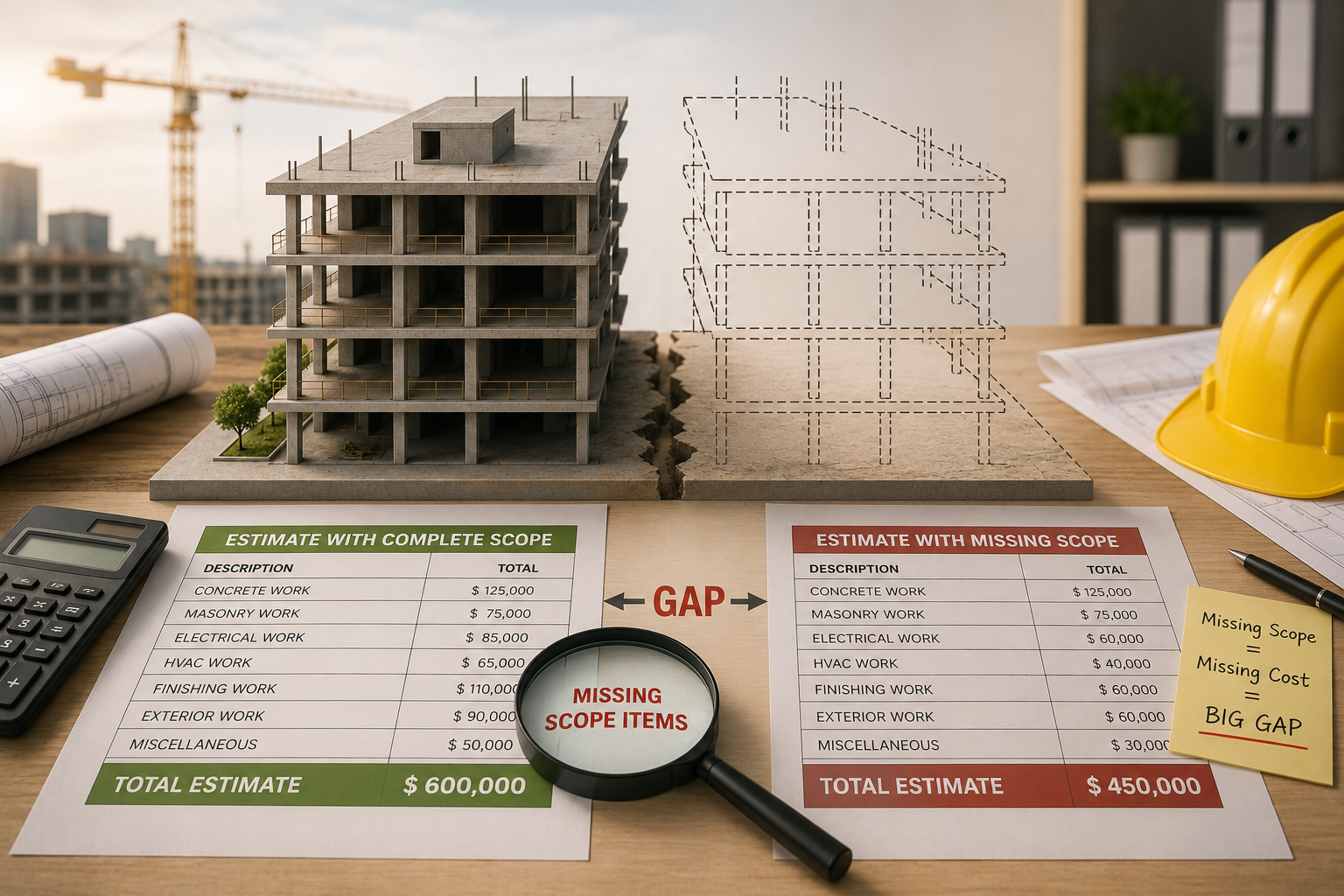
Planning a home remodeling project brings a wave of questions. One question sits above all the rest: how much will this actually cost? Contractors do not pull numbers out of thin air. Every remodeling price estimate is built from a set of factors that, once broken down, make a lot of sense. This article walks through each piece of the puzzle so homeowners can understand where their money goes and why two estimates for the same project can look so different.
What Goes Into A Remodeling Price Estimate
A remodeling estimate is not a single number. It is a combination of several moving parts, each calculated on its own before being added together. The main components are labor, materials, permits, equipment, waste removal, and a contingency amount for the unexpected.
|
Cost Component |
What It Covers |
Typical Share of Total Budget |
|
Labor |
Wages for carpenters, electricians, plumbers, painters |
30% to 40% |
|
Materials |
Lumber, tile, cabinetry, fixtures, paint |
35% to 45% |
|
Permits and Inspections |
City or county approval fees |
2% to 5% |
|
Equipment and Tools |
Rentals for specialized machinery |
3% to 6% |
|
Waste Removal |
Dumpster rental, disposal fees |
2% to 4% |
|
Contingency Fund |
Buffer for surprises found mid-project |
10% to 20% |
Each of these categories is calculated using a mix of local pricing data, past project history, and the specific details of the home in question.
Labor Costs And How They Are Figured
Labor is often the largest line item in a remodeling budget. Contractors calculate labor by estimating the number of hours a job will take and multiplying that by the hourly rate for each trade involved. A kitchen remodel, for example, needs a plumber for sink and dishwasher lines, an electrician for outlets and lighting, and a general contractor to oversee framing and finishing work.
The hourly rate also shifts based on the skill level needed. Installing standard cabinets costs less per hour than custom built-in shelving that requires precise measurements and joinery. Location plays a role too, since labor rates in a large city differ from rates in a small town.
Material Costs And Price Ranges
Materials make up a large portion of any remodeling job, and prices swing widely depending on the grade and brand chosen. Below is a general breakdown of common materials and their price ranges per unit.
|
Material |
Unit |
Low-End Price |
High-End Price |
|
Laminate Flooring |
Per Square Foot |
$2 |
$8 |
|
Hardwood Flooring |
Per Square Foot |
$6 |
$18 |
|
Ceramic Tile |
Per Square Foot |
$3 |
$10 |
|
Granite Countertop |
Per Square Foot |
$40 |
$100 |
|
Quartz Countertop |
Per Square Foot |
$50 |
$120 |
|
Stock Cabinets |
Per Linear Foot |
$60 |
$200 |
|
Custom Cabinets |
Per Linear Foot |
$300 |
$700 |
A contractor takes the square footage or linear footage of the project area and multiplies it by the chosen material price. This is why a homeowner picking granite over laminate flooring will see a noticeable jump in the final number, even if labor stays the same.
Square Footage And Project Scope
The size of the space under renovation is one of the first numbers a contractor asks for, since almost every other calculation flows from it. A 100 square foot bathroom costs less than a 400 square foot open kitchen and living area combination, simply because more materials and more labor hours are needed to cover the larger space.
Scope matters just as much as size. A cosmetic update, such as new paint and fixtures, costs far less than a full gut renovation that involves moving walls, rerouting plumbing, and rewiring electrical systems. Contractors separate scope into three general tiers.
|
Project Tier |
Description |
Rough Cost Per Square Foot |
|
Cosmetic Refresh |
Paint, fixtures, hardware, minor updates |
$20 to $50 |
|
Mid-Range Remodel |
New flooring, cabinets, some layout changes |
$75 to $150 |
|
Full Gut Renovation |
Structural changes, new plumbing, new wiring |
$150 to $300+ |
Regional Price Differences
Where a home sits on the map changes the entire math behind a remodeling estimate. Building codes, labor supply, and cost of living all factor into local pricing. A kitchen remodel in a coastal metro area often costs more than the same project in a rural inland town, mainly because of higher wages and shipping costs for materials.
|
Region Type |
Average Kitchen Remodel Cost |
Average Bathroom Remodel Cost |
|
Major Metro Area |
$35,000 to $75,000 |
$15,000 to $30,000 |
|
Suburban Area |
$25,000 to $50,000 |
$10,000 to $20,000 |
|
Rural Area |
$15,000 to $30,000 |
$6,000 to $15,000 |
How Contractors Actually Calculate The Numbers
There is no single formula that every contractor follows, but most rely on one of three common methods, sometimes blending all three for a single project.
|
Estimating Method |
How It Works |
Best Suited For |
|
Per Square Foot |
Total area multiplied by a set rate |
Whole-room or whole-house projects |
|
Itemized Line Estimate |
Every material and labor task priced one by one, then totaled |
Complex or custom projects |
|
Unit Cost Method |
Standard rates applied to each fixture or unit installed |
Bathrooms, kitchens with countable fixtures |
Many contractors start with the per square foot method to give a rough number early on, then move to an itemized estimate once the homeowner picks specific materials and finishes. This two-step process explains why an initial phone quote almost always differs from the written estimate handed over after a site visit.
Hidden Costs That Change The Final Number
Even a well-built estimate can shift once work begins. Older homes in particular tend to reveal surprises behind walls and under floors. Common hidden costs include:
-
Water damage or mold found during demolition
-
Outdated wiring that does not meet current code
-
Plumbing that needs full replacement instead of a patch
-
Structural issues in framing or foundation
This is exactly why a contingency fund of 10 to 20 percent sits inside almost every serious estimate. It is not padding; it is a realistic buffer for what an older structure might be hiding.
Where Proestimatrix Fits Into The Picture
Getting a written number from a single contractor only shows one side of the story, which is why many homeowners now turn to a dedicated review process before signing any contract. Proestimatrix reviews project details, local pricing data, and material choices to help homeowners understand whether their remodeling prices estimates line up with what similar projects actually cost in their area. The company also runs a Claim service, built for situations where a homeowner feels an estimate was inflated, or a completed project came in far above the original number given. Instead of guessing whether a quote is fair on its own terms, homeowners can bring their paperwork to Proestimatrix and get a second, grounded read on the numbers before money changes hands.
Frequently Asked Questions
1. Why do two contractors give such different price estimates for the same project? Contractors use different labor rates, material suppliers, and estimating methods. One contractor might use a per square foot formula while another builds an itemized list, and both approaches can land on different totals even for identical work.
2. Does a written estimate mean the final cost will not change? No. A written estimate is a starting point built on known information at the time. Hidden issues found during demolition, such as old wiring or water damage, can raise the final cost beyond the original number.
3. What percentage should a contingency fund be in a remodeling budget? Most estimates include a contingency fund between 10 and 20 percent of the total project cost. Older homes generally call for a number on the higher end of that range.
4. How much does location really affect remodeling costs? Location changes labor wages, material shipping costs, and local permit fees. A remodeling project in a major metro area can cost noticeably more than the same scope of work in a rural town.
5. What should a homeowner do if a remodeling estimate feels too high? A homeowner can request an itemized breakdown from the contractor to see exactly where each dollar goes. Comparing that breakdown against local material and labor pricing, or having a third party review the numbers, helps confirm whether the estimate matches typical costs in the area.

 English
 Arabic
 French
 Spanish
 Portuguese
 Deutsch
 Turkish
 Dutch
Dutch
 Italiano
 Russian
 Romaian
 Greek
Greek