


Why Future Careers Look Different Than They Did 10 Years Ago
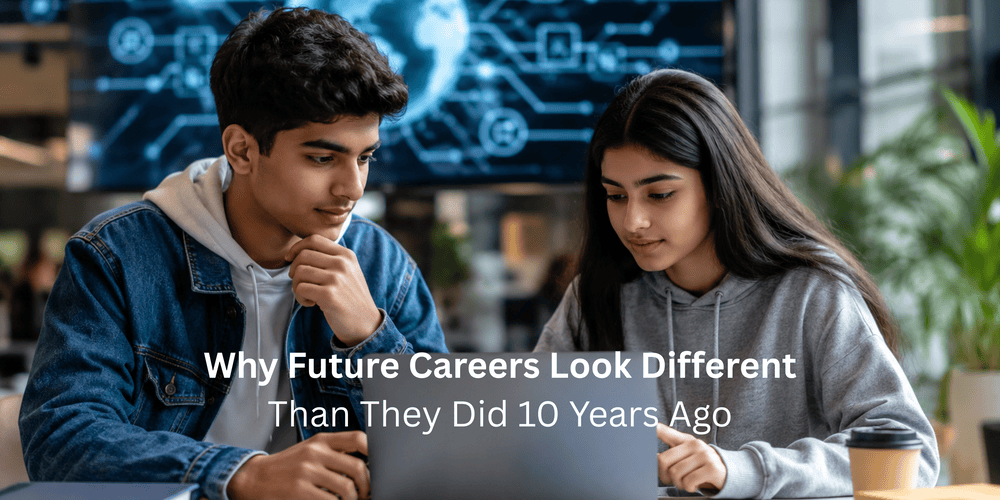
The world of work has undergone a dramatic transformation over the past decade. Rapid technological advancements, changing consumer expectations, global connectivity, and the rise of artificial intelligence have reshaped industries across the globe. Jobs that were once considered stable have evolved, while entirely new roles have emerged.
For businesses and CEOs, understanding these shifts is essential for building resilient organisations. For professionals, staying relevant means developing new skills and embracing lifelong learning. As industries continue to evolve, preparing for future careers has become a strategic priority rather than a long-term goal.
The Rise of Technology Has Changed Every Industry
Ten years ago, digital transformation was still gaining momentum. Today, technologies such as artificial intelligence, automation, cloud computing, and data analytics influence nearly every business function.
These innovations have not only improved efficiency but also created new career paths in cybersecurity, AI development, digital marketing, machine learning, and data science. Organisations now seek professionals who can work alongside technology and use it to drive business growth.
As a result, future careers increasingly demand digital knowledge regardless of the industry.
Skills Matter More Than Traditional Job Titles
Previously, career growth often followed a predictable path based on qualifications and years of experience. Today, employers place greater value on practical skills, adaptability, and continuous learning.
Professionals who can solve problems, communicate effectively, and quickly learn new technologies have become highly valuable assets. Businesses also benefit from hiring individuals who can adapt to changing market conditions rather than simply perform routine tasks.
This shift has encouraged companies to focus on skills-based hiring instead of relying solely on academic credentials.
Automation Is Reshaping Work, Not Replacing It
Automation has changed the nature of work across manufacturing, finance, healthcare, retail, and many other sectors. While repetitive tasks are increasingly automated, new opportunities have emerged that require creativity, strategic thinking, and human judgement.
Rather than eliminating jobs entirely, automation is transforming responsibilities. Employees now spend more time on innovation, customer engagement, and decision-making while technology handles routine processes.
Businesses that embrace this transition are better positioned to improve productivity and remain competitive.
The Demand for Lifelong Learning Has Increased
One of the biggest differences compared to a decade ago is the speed at which knowledge becomes outdated. Professionals can no longer rely on a single qualification earned early in their careers.
Continuous learning through certifications, workshops, online courses, and professional development has become essential. Organisations that invest in employee upskilling create agile teams capable of adapting to changing business needs.
Preparing employees for future careers through ongoing learning also improves retention and strengthens organisational resilience.
Global Connectivity Has Expanded Career Opportunities
Remote work, digital collaboration tools, and global talent networks have opened opportunities beyond geographical boundaries. Businesses can now hire skilled professionals from different regions, while employees have access to international career options.
This increased connectivity has intensified competition, making specialised skills, communication abilities, and cross-cultural collaboration more important than ever.
Companies that embrace flexible work models often attract stronger talent and improve employee satisfaction.
Preparing for the Careers of Tomorrow
Business leaders should take a proactive approach by identifying emerging skill gaps, investing in workforce development, and encouraging innovation across teams. Employees, meanwhile, should focus on building both technical expertise and essential soft skills such as leadership, adaptability, and critical thinking.
Success in future careers will depend on the ability to evolve alongside technological and economic change rather than resist it.
Conclusion
The workplace of today looks very different from the one that existed ten years ago, and the pace of change is only accelerating. Technology, automation, global collaboration, and continuous learning have transformed how organisations operate and what employers expect from their workforce.
Businesses that invest in developing adaptable teams and professionals who embrace lifelong learning will be best prepared for future careers. Those who act today will gain a stronger competitive advantage in tomorrow's rapidly evolving economy.

 Arabic
 French
 Spanish
 Portuguese
 Deutsch
 Turkish
 Dutch
Dutch
 Italiano
 Russian
 Romaian
 Portuguese (Brazil)
 Greek
Greek