


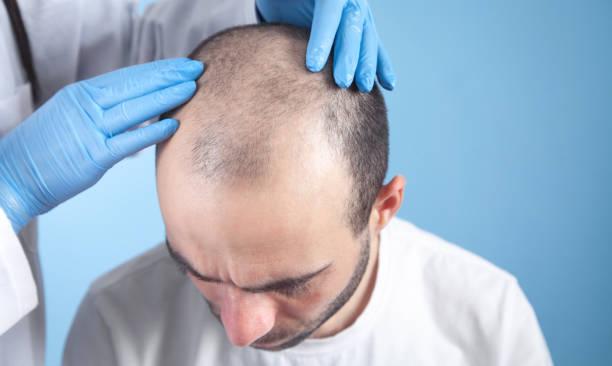
Safety and naturalness are not competing priorities. They are two sides of the same coin. A hair transplant that is not safe cannot be natural in the long run, because complications, poor healing, or graft failure will compromise the result. A hair transplant that is not natural-looking defeats the purpose of undergoing surgery in the first place. A hair transplant in Dubai for safe and natural outcomes integrates rigorous clinical safety with the artistic precision that creates undetectable results. This article explains how these two dimensions reinforce each other and what you should look for to ensure both are present in your care.
What Safety Means in Hair Transplant Surgery
Hair transplantation is a surgical procedure. It involves thousands of small incisions in the skin, local anesthesia, and the handling of living tissue. Safety is not an abstract concept. It is a set of concrete practices that protect you from infection, minimize complications, and ensure that the procedure is appropriate for your health status.
Key elements of a safe hair transplant in Dubai include:
-
Pre-operative medical screening: Your medical history, medications, allergies, and any chronic conditions are reviewed in detail. Uncontrolled diabetes, bleeding disorders, or certain autoimmune conditions may affect candidacy.
-
Sterile surgical environment: The procedure is performed in a dedicated surgical suite, not a converted office room. Instruments are single-use or sterilized by autoclave between patients. The surgical team wears appropriate protective equipment.
-
Licensed, qualified personnel: The surgeon holds an active license from the relevant Dubai health authority. The anesthetist or supervising physician is qualified to manage any adverse reactions to local anesthesia.
-
Emergency preparedness: The clinic has a documented emergency protocol, a stocked emergency kit, and staff trained to respond to rare events such as anaphylaxis or vasovagal syncope.
-
Honest candidacy assessment: The safest procedure is sometimes the one not performed. A responsible clinic will decline surgery if your health status, donor quality, or psychological readiness makes the risk-benefit ratio unfavorable.
Safety is largely invisible when it works. You may never see the autoclave or the emergency kit. You experience safety as the absence of problems, a smooth recovery, and a result that matches what was discussed. Asking direct questions about safety protocols during your consultation is not intrusive. It is smart.
The Role of Regulatory Oversight in Dubai
Dubai's healthcare sector operates under the supervision of the Dubai Health Authority and equivalent bodies in free zones such as Dubai Healthcare City. These regulators set standards for facility licensing, surgeon credentialing, infection control, and patient rights. Clinics are inspected. Licenses are renewed based on compliance.
This regulatory environment benefits patients in several ways:
-
Accountability: A clinic that violates standards can face sanctions, fines, or closure. This creates a strong incentive for compliance.
-
Transparency: Licensed clinics must meet minimum requirements for surgical facilities, which reduces the risk of procedures being performed in unsuitable environments.
-
Recourse: If something goes wrong, patients have access to a formal complaints and investigation process through the regulatory authority.
While regulation does not guarantee a perfect outcome, it establishes a floor of safety below which licensed clinics may not operate. Choosing a licensed, regulated clinic for your hair transplant in Dubai is a foundational safety measure.
Infection Control and Sterilization Standards
Infection after a hair transplant is rare when proper protocols are followed, but the consequences can be serious. Infection can destroy grafts, cause scarring, and in severe cases, lead to systemic illness. Prevention is straightforward and non-negotiable.
The standards you should expect include:
-
Single-use needles and blades: Extraction punches, implantation needles, and scalpel blades should be opened from sterile packaging in front of you and discarded after your procedure.
-
Autoclave sterilization: Any reusable instruments must undergo steam sterilization under pressure between patients. Autoclave logs should be maintained and available for inspection.
-
Surgical hand hygiene: The surgical team follows strict hand scrubbing protocols before gloving.
-
Environmental cleaning: The surgical suite is cleaned and disinfected between procedures according to hospital-grade standards.
-
Appropriate antibiotic prophylaxis: Some surgeons prescribe a short course of oral antibiotics to reduce the already low risk of infection. This should be discussed with you based on your individual risk factors.
If a clinic cannot or will not explain its sterilization protocols, consider that a serious warning sign.
Anesthesia Safety and Comfort
Hair transplant surgery is performed under local anesthesia, sometimes with oral sedation. General anesthesia is rarely used and generally unnecessary. Local anesthesia is very safe, but it must be administered with care.
The anesthesia protocol for a safe hair transplant in Dubai typically involves:
-
Pre-anesthesia assessment: Review of any previous reactions to dental or local anesthetics.
-
Gradual administration: The anesthetic is injected slowly with fine needles to minimize discomfort and allow the body to adjust.
-
Volume monitoring: The total dose of lidocaine or equivalent is calculated based on your body weight and kept well within safe limits.
-
Vital sign monitoring: Your heart rate, blood pressure, and oxygen saturation are monitored throughout the procedure by a dedicated staff member.
-
Management of rare reactions: The team is trained to recognize and respond to signs of local anesthetic toxicity or allergic reaction, though these are extremely uncommon.
Most patients feel only the initial pinprick sensations. Once the anesthesia takes effect, the procedure is comfortable. You can communicate with the surgical team at all times.
Natural Outcomes Through Safe Practices
Safety and naturalness intersect in ways that are not always obvious. Consider the following connections:
-
Graft survival depends on sterile handling: An infection in the recipient area can destroy follicles, leaving patchy growth that is neither natural nor dense.
-
Healing quality affects scar appearance: Clean incisions made with sharp, sterile instruments heal with finer scars than those made with dull or contaminated tools. In the donor area, this means less visible extraction marks. In the recipient area, this means smoother skin texture.
-
Proper anesthesia allows the surgeon to work precisely: A patient in pain cannot remain still. Movement during implantation compromises graft placement accuracy, which directly affects naturalness.
-
Honest candidacy prevents unnatural long-term patterns: A surgeon who prioritizes safety will refuse to operate on an unsuitable candidate. This refusal prevents results that look unnatural because they were performed on a scalp that could not support them.
Safety is the foundation on which naturalness is built. Without it, even the most artistic surgeon cannot deliver a consistently excellent result.
The Consultation as a Safety and Planning Tool
Your consultation is the most important safety checkpoint in the entire process. It is the moment when candidacy is determined, risks are discussed, and the plan is created.
A thorough consultation for a hair transplant in Dubai includes:
-
Medical history review: All current medications, supplements, chronic conditions, allergies, and previous surgeries are documented. Blood thinners, including aspirin and some herbal supplements, must be identified and managed.
-
Scalp examination: The surgeon examines your scalp under magnification to assess donor density, miniaturization patterns, and any signs of active skin disease.
-
Photography: Standardized photographs document your baseline appearance for future comparison.
-
Risk discussion: The surgeon explains potential complications, including infection, bleeding, swelling, poor growth, and the possibility of needing a second procedure. These are presented honestly, not minimized.
-
Expectation setting: A detailed discussion of what is achievable, what is not, and the timeline for results.
-
Written consent: You sign a consent form that confirms you understand the procedure, its risks, and the recovery process.
A consultation that rushes through these steps or avoids discussing risks is not serving your safety.
Post-Operative Safety and Monitoring
Safety does not end when the procedure does. The immediate post-operative period requires clear instructions and accessible support.
Your clinic should provide:
-
Written aftercare instructions: Clear, step-by-step guidance on sleeping position, washing technique, activity restrictions, and medications.
-
Emergency contact: A phone number that reaches a medical professional who can address urgent concerns, including outside of normal business hours.
-
Scheduled follow-up: A visit within the first forty-eight hours for a gentle wash and graft check, followed by scheduled check-ins at intervals during the first year.
-
Warning sign education: You should know what symptoms warrant immediate contact, such as excessive bleeding, spreading redness, fever, or purulent discharge.
The availability of your clinic after you leave the surgical suite is a measure of their commitment to your safety and outcome. A clinic that is difficult to reach or dismissive of post-operative concerns should give you pause.
A hair transplant is an investment in your appearance and your confidence. Protecting that investment means choosing a setting where safety is as carefully considered as aesthetics. A hair transplant in Dubai for safe and natural outcomes, performed in a regulated environment by a qualified surgical team, gives you the best chance of a result that is not only beautiful but also healthy and enduring. At Tajmeels Clinic, safety protocols and surgical artistry are given equal priority, ensuring that every patient experiences care that is as responsible as it is transformative.
FAQs
1. How do I know if a clinic follows proper safety standards?
Ask about sterilization protocols, single-use instruments, surgeon qualifications, and emergency preparedness. A transparent clinic will answer these questions directly and without hesitation.
2. What are the most common safety risks in a hair transplant?
Infection, bleeding, poor graft survival, and scarring are the primary risks. All are rare in a properly conducted procedure. Your surgeon should discuss them openly during the consultation.
3. Is local anesthesia safe for a long procedure?
Yes. The total dose is calculated based on your weight and kept within established safe limits. Vital signs are monitored throughout the procedure. Serious reactions to local anesthesia are extremely rare.
4. What medical conditions might prevent me from having a transplant?
Uncontrolled diabetes, active autoimmune disorders, bleeding disorders, certain scalp diseases, and unmanaged cardiovascular conditions may affect candidacy. Each case is evaluated individually.
5. How soon after surgery can I fly home?
Most patients fly within two to three days. The clinic will advise based on your individual healing. Keep your head protected from the cabin air nozzle and avoid heavy lifting or straining during travel.
6. What if I develop a complication after returning home?
Your clinic should provide remote follow-up and be reachable for urgent concerns. In the unlikely event of a significant complication, they will guide you to appropriate local care while continuing to support your case.
7. Can a transplant be safe if I have had previous surgeries?
Yes, but the previous scarring and altered blood supply must be assessed. A surgeon experienced in repair cases will evaluate your scalp carefully and adjust the plan to account for the prior procedures.
8. How do I know if I am emotionally ready for a transplant?
Emotional readiness means having realistic expectations, understanding the recovery timeline, and not expecting the transplant to solve unrelated life problems. A responsible surgeon will explore these factors during your consultation.

 English
 Arabic
 French
 Spanish
 Portuguese
 Turkish
 Dutch
Dutch
 Italiano
 Russian
 Romaian
 Portuguese (Brazil)
 Greek
Greek