


AI Transformation Roadmap: A Strategic Guide to Enterprise Innovation
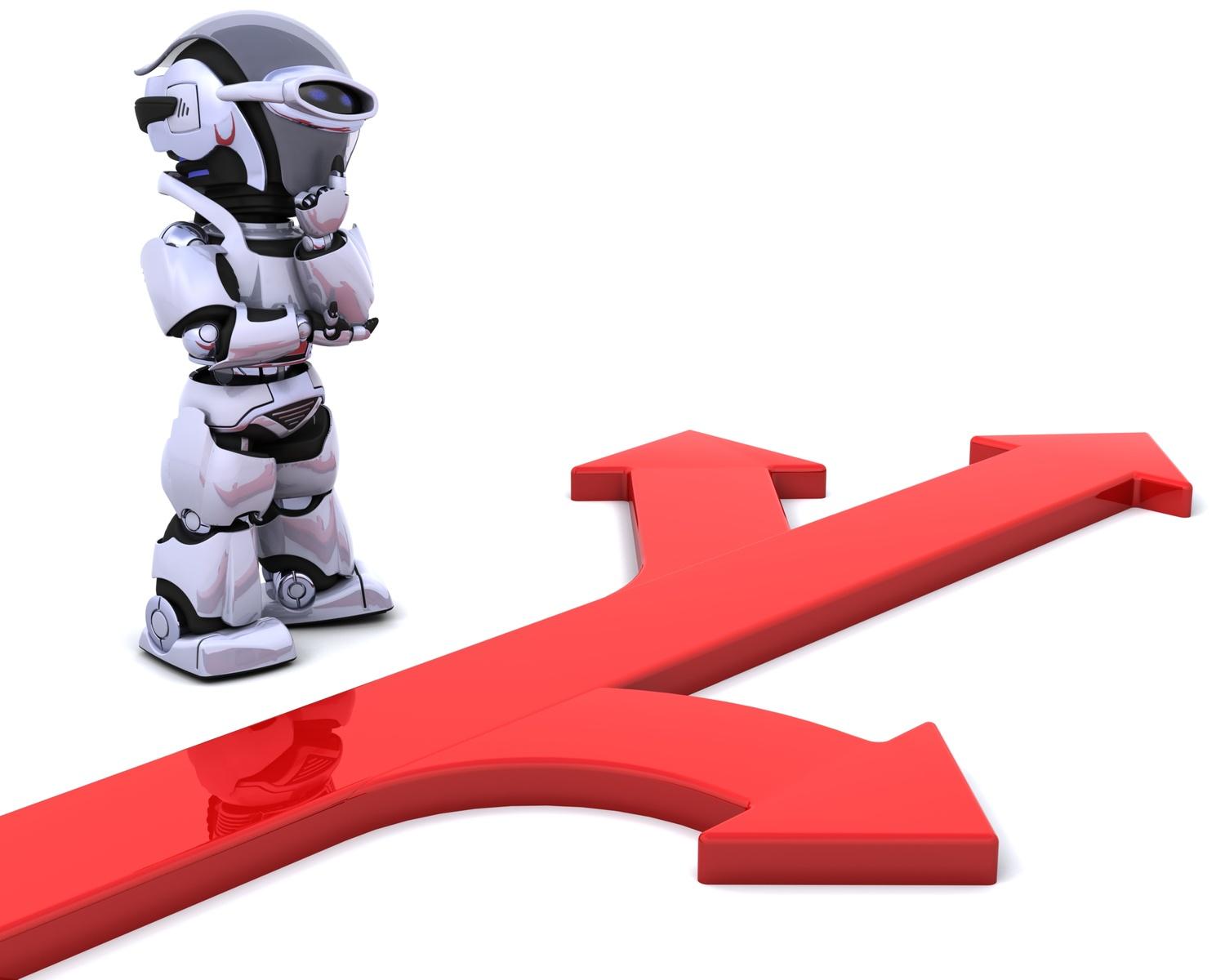
Integrating artificial intelligence into an organization is no longer a futuristic concept; it is a fundamental shift in how businesses operate, make decisions, and deliver value. However, adopting advanced technologies haphazardly often leads to wasted resources and unmet expectations. To truly harness the power of machine learning, automation, and predictive analytics, organizations must rely on a structured AI transformation roadmap.
A successful journey begins with a comprehensive assessment of current capabilities and strategic objectives. Leadership must identify the specific business problems artificial intelligence is meant to solve, rather than adopting technology simply for the sake of modernization. This phase involves auditing existing data infrastructure, as high-quality data is the lifeblood of any intelligent system. Without clean, accessible, and secure data, even the most advanced algorithms will fail to yield meaningful insights.
Once the vision and data readiness are established, the roadmap moves into the experimentation and pilot phase. Instead of a sweeping, enterprise-wide overhaul, organizations benefit from launching small-scale, high-impact pilot projects. These initiatives allow teams to test hypotheses, understand operational friction points, and demonstrate tangible value to stakeholders with minimal risk. Success during this phase builds internal confidence and secures crucial momentum for broader implementation.
Scaling and integration represent the next critical stages. This is where organizations transition from isolated pilot projects to deeply embedded, enterprise-wide systems. Achieving this requires substantial investment in workforce upskilling. Employees across all departments must understand how to work alongside intelligent systems, interpret algorithmic outputs, and adapt to newly automated workflows. Fostering a culture of continuous learning ensures that human intuition and machine efficiency work in harmony.
Finally, a robust AI transformation roadmap must incorporate continuous governance, ethics, and monitoring. Because intelligent systems evolve and learn from new inputs, organizations must establish strict ethical guidelines to mitigate algorithmic bias and ensure data privacy. Regular audits of system performance and decision-making outputs safeguard against unintended consequences. Ultimately, treating the adoption of artificial intelligence as a dynamic, ongoing journey rather than a one-time project is the key to sustained innovation and long-term organizational resilience.

 English
 Arabic
 French
 Spanish
 Portuguese
 Deutsch
 Dutch
Dutch
 Italiano
 Russian
 Romaian
 Portuguese (Brazil)
 Greek
Greek