


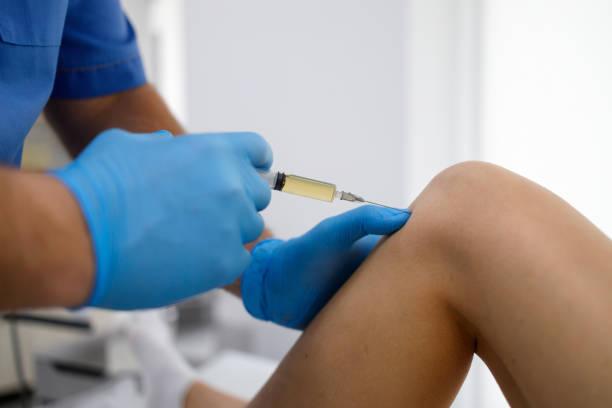
As patients explore regenerative medicine, they often encounter another cutting-edge treatment: stem cell therapy. Understanding the distinction between these two approaches is crucial for making an informed decision with PRP knee injections in Dubai.
How They Differ
While both PRP and stem cell therapy fall under the umbrella of regenerative medicine, they work through different mechanisms:
-
PRP Therapy: Uses concentrated platelets from your own blood to release growth factors that stimulate existing cells in the knee to repair and regenerate tissue. It essentially "awakens" your body's natural healing capabilities.
-
Stem Cell Therapy: Involves harvesting stem cells—usually from bone marrow or adipose (fat) tissue—and injecting them into the damaged area. These stem cells have the potential to differentiate into various cell types, including cartilage cells, offering a more direct form of tissue regeneration.
Which One Is Right for You?
The choice between PRP and stem cell therapy depends on several factors:
-
Severity of Condition: For mild to moderate osteoarthritis, PRP is often highly effective. For more advanced cases or significant cartilage defects, stem cell therapy might be considered.
-
Invasiveness: PRP involves a simple blood draw, while stem cell harvesting requires a more invasive procedure to extract bone marrow or fat tissue.
-
Cost: Stem cell therapy is generally more expensive due to the complexity of the harvesting and preparation process.
-
Evidence Base: PRP has a more extensive body of clinical research supporting its efficacy for knee osteoarthritis. Stem cell therapy, while promising, is still evolving in terms of clinical evidence.
Most physicians recommend starting with PRP therapy as a first-line regenerative treatment, reserving stem cell therapy for cases where PRP has not provided sufficient relief. This stepwise approach is often the most clinically sound and cost-effective strategy.
The Psychological Impact of Chronic Knee Pain
Addressing the emotional and psychological dimensions of living with knee pain is an essential part of holistic patient care. Chronic pain is not just a physical experience; it permeates every aspect of a person's life.
The Emotional Toll
-
Frustration and Helplessness: The inability to perform simple tasks or engage in favorite activities can lead to feelings of frustration and a loss of independence.
-
Anxiety and Depression: Persistent pain is a known risk factor for anxiety and depression. The constant worry about the next flare-up or the fear of worsening the condition can be mentally exhausting.
-
Social Withdrawal: When pain limits mobility, patients may start declining social invitations or avoiding family gatherings, leading to isolation.
-
Sleep Disturbances: Night pain can disrupt sleep patterns, leading to fatigue and a lowered tolerance for pain during the day.
How PRP Addresses These Concerns
One of the most powerful aspects of PRP knee injections in Dubai is the hope they offer—a tangible opportunity for a better future. When patients feel they are taking an active, positive step toward recovery, it can significantly improve their mental outlook.
The prospect of reducing pain and improving function allows patients to:
-
Re-engage with social activities and hobbies.
-
Sleep more soundly without pain interruptions.
-
Regain a sense of control over their health and lives.
-
Reduce the psychological burden of constantly relying on pain medication.
This holistic benefit—treating the whole person, not just the joint—is a compelling reason to consider PRP therapy. It's not just about a pain-free knee; it's about a pain-free life.
The Role of Technology in Modern PRP Therapy
The evolution of PRP therapy has been significantly influenced by technological advancements. Patients should understand that not all PRP treatments are created equal, and the technology used can impact outcomes.
Advanced Centrifugation Systems
Modern, high-quality PRP preparation systems use specialized centrifuge tubes and separation gels to produce a highly concentrated and pure platelet product. These systems minimize the number of red blood cells and white blood cells in the final preparation, which can enhance the therapeutic effect and reduce post-injection inflammation.
Ultrasound Guidance
Perhaps the most critical technological advancement is the use of musculoskeletal ultrasound. This real-time imaging allows the physician to:
-
Visualize the internal structures of the knee.
-
Identify the precise areas of damage.
-
Guide the needle to the exact location of the pathology.
-
Avoid critical structures like nerves and blood vessels.
This precision significantly improves the accuracy of the injection and ensures that the PRP reaches the areas where it is needed most. Clinics that utilize ultrasound guidance demonstrate a commitment to excellence and patient safety.
Platelet Activation
Some protocols include an "activation" step, where calcium chloride or another activator is added to the PRP just before injection. This triggers the platelets to release their growth factors immediately, jumpstarting the healing cascade at the exact moment of injection. This can be particularly beneficial for certain types of injuries.
Addressing Common Myths and Misconceptions
In the field of regenerative medicine, misinformation can be a barrier to seeking treatment. Let's debunk some common myths surrounding PRP therapy.
Myth: PRP is a "Quick Fix" for Knee Pain
Reality: PRP is not a magical instant cure. It initiates a biological healing process that takes time. Patients should expect gradual improvement over weeks to months. The body needs time to build new tissue, and patience is essential for optimal results.
Myth: One PRP Injection is Enough for Everyone
Reality: While some patients experience significant relief after a single injection, many require a series of 2 or 3 injections to achieve optimal results. The number of treatments depends on the severity of the damage and the individual's healing response.
Myth: PRP is Only for the Elderly
Reality: PRP therapy is beneficial for a wide range of patients, from younger athletes with sports injuries to older adults with degenerative joint disease. It is a versatile treatment that can address various musculoskeletal conditions across different age groups.
Myth: PRP is Unproven and Experimental
Reality: PRP therapy is supported by a substantial body of clinical research and is considered a standard of care in many orthopedic and sports medicine practices. Numerous studies have demonstrated its efficacy in reducing pain and improving function in patients with knee osteoarthritis.
Myth: You Can Return to Full Activity Immediately After PRP
Reality: While PRP is minimally invasive, the knee needs time to heal. A structured rehabilitation program and a gradual return to activity are essential for protecting the joint and maximizing the benefits of the treatment.
The Importance of Choosing the Right Provider
The success of PRP Knee Injections in Dubai is heavily dependent on the expertise and experience of the medical professional performing the procedure. This is not a treatment to be taken lightly, and choosing the right provider is paramount.
What to Look For in a PRP Provider
-
Board-Certified Physicians: Seek out physicians who are board-certified in relevant specialties such as orthopedics, sports medicine, or physical medicine and rehabilitation.
-
Specific Training in Regenerative Medicine: Look for providers who have undergone additional training and have specific experience in PRP therapy and other regenerative procedures.
-
Use of Advanced Technology: Inquire about the equipment used for PRP preparation and whether the clinic utilizes ultrasound guidance for precise injections.
-
Transparent Communication: A trustworthy provider will offer a thorough consultation, explain the procedure in detail, discuss realistic expectations, and answer all your questions without pressure.
-
Positive Reputation: Read patient reviews and testimonials to get a sense of the clinic's reputation and the experiences of other patients.
Red Flags to Avoid
-
Clinics that Guarantee Results: No ethical medical provider can guarantee a specific outcome.
-
Lack of a Thorough Consultation: Be wary of clinics that schedule treatment without a comprehensive medical evaluation.
-
Pressure to Book Immediately: Take your time to make an informed decision. A reputable clinic will respect your need for time and consideration.
-
Lack of Transparency About Costs: Ensure you understand the full cost of treatment upfront, including any additional charges for follow-up appointments or physical therapy.
A Personal Decision with Professional Guidance
Ultimately, the decision to pursue PRP therapy is a personal one. It requires a careful evaluation of your health, your goals, and your expectations. However, you don't have to make this decision alone. The guidance of an experienced, compassionate medical professional is invaluable.
What to Expect from Your Initial Consultation
When you schedule a consultation for PRP knee therapy in Dubai, you should expect:
-
Comprehensive Medical History Review: Your physician will ask detailed questions about your symptoms, medical history, previous treatments, and lifestyle.
-
Physical Examination: The physician will assess your knee's range of motion, stability, and areas of tenderness.
-
Imaging Review: If you have recent X-rays or MRIs, bring them. If not, the clinic may recommend imaging to assess the extent of the damage.
-
Discussion of Treatment Options: Based on the evaluation, your physician will discuss the potential benefits of PRP therapy as well as any alternative or complementary treatments.
-
Personalized Treatment Plan: If PRP is appropriate, your physician will develop a tailored treatment plan, including the number of injections recommended and a post-procedure rehabilitation schedule.
Ready to Take the Next Step?
Living with knee pain is a daily challenge that can diminish your quality of life. The science of regenerative medicine has opened a door to new possibilities—a chance to heal from within and return to the activities you love. PRP Knee Injections in Dubai represent a safe, natural, and effective option for many patients seeking relief from osteoarthritis and joint injuries.
Key Takeaways for Your Journey
-
Knowledge is Power: Understanding the science behind PRP, the procedure itself, and the recovery process empowers you to make confident decisions.
-
Healing Takes Time: Be patient with your body and trust the process. The benefits of PRP develop gradually as your tissues regenerate.
-
Expertise Matters: Choose a provider who is experienced, uses advanced technology, and prioritizes patient-centered care.
-
You Are Not Alone: Chronic knee pain is common, and you have options. Taking that first step to seek expert advice is a powerful act of self-care.
Conclusion: Reclaiming Your Active Life
The journey to overcoming knee pain with PRP Knee Injections in Dubai is one of hope, science, and proactive health management. By harnessing your body's innate healing potential, PRP offers a path toward lasting relief that goes beyond temporary symptom management. It represents a commitment to treating the underlying cause of pain, supporting joint health, and improving overall quality of life.
Whether you are an athlete looking to return to your sport, a professional wanting to maintain an active lifestyle, or someone seeking to enjoy retirement without pain, PRP therapy offers a viable, minimally invasive solution. The growing body of evidence supporting its efficacy makes it a trusted choice for patients and physicians alike.
If you have been struggling with knee pain, don't let fear or uncertainty hold you back from exploring this transformative treatment. Schedule a consultation, ask the questions that matter to you, and take the first step toward a future where your knees don't hold you back. With the right care and the right mindset, a more active, pain-free life is well within reach.
For those ready to explore this path, Tajmeels Clinic provides the expertise, advanced technology, and compassionate care necessary to guide you through your PRP journey. Their experienced team is committed to helping you achieve the best possible outcomes, ensuring you receive personalized attention and a treatment plan tailored to your unique needs. Take the first step toward reclaiming your mobility and vitality today with the trusted professionals at Tajmeels Clinic—your partner in health and wellness.
Frequently Asked Questions (FAQs)
1. How do I know if I am a good candidate for PRP knee injections?
Ideal candidates typically have mild to moderate knee osteoarthritis, sports-related injuries, or persistent knee pain that has not responded well to conservative treatments like physical therapy or medication. Your physician will evaluate your medical history, perform a physical exam, and review imaging to determine suitability.
2. What is the success rate of PRP knee injections?
Clinical studies show that approximately 70-80% of patients with mild to moderate knee osteoarthritis experience significant pain reduction and functional improvement. Success rates are generally higher in younger patients and those with less severe joint damage.
3. Are there any dietary restrictions before or after PRP therapy?
Generally, no specific dietary restrictions are required. However, it's advisable to stay well-hydrated and avoid excessive alcohol consumption. Some physicians may recommend anti-inflammatory dietary practices to support overall healing.
4. Can PRP be combined with other treatments for better results?
Yes, PRP is often combined with other therapies such as physical therapy, gentle exercise, and nutritional supplementation to optimize outcomes. Your physician may also recommend avoiding NSAIDs during the initial healing phase.
5. What is the difference between PRP and corticosteroid injections?
Corticosteroid injections provide rapid but temporary pain relief by reducing inflammation. PRP therapy, on the other hand, aims to stimulate tissue repair and regeneration, offering more sustained benefits and potentially altering the disease's progression.
6. How many PRP sessions will I need for my knees?
The number of sessions varies based on the severity of your condition. Some patients achieve good results with a single injection, while others may benefit from a series of 2 to 3 injections spaced several weeks apart. Your physician will recommend a plan tailored to your specific needs.
7. Is PRP therapy painful after the anesthetic wears off?
Some patients experience mild to moderate pain and swelling in the days following the injection, which is a normal part of the healing response. This discomfort typically subsides within a week. Over-the-counter pain relievers (like acetaminophen) may be used as needed, but NSAIDs should be avoided as they can interfere with platelet function.
8. Will PRP injections help with knee ligament or tendon injuries?
Yes, PRP therapy has been shown to be effective in treating ligament sprains, tendonitis, and other soft tissue injuries around the knee. The growth factors in PRP can accelerate the healing of these structures, making it a valuable treatment for sports-related injuries.
Note: This article is for informational purposes only and does not constitute medical advice. Always consult with a qualified healthcare provider to determine the best treatment options for your individual health condition.

 English
 Arabic
 French
 Portuguese
 Deutsch
 Turkish
 Dutch
Dutch
 Italiano
 Russian
 Romaian
 Portuguese (Brazil)
 Greek
Greek