


Best Registered Massage Therapist: How to Choose the Right Professional
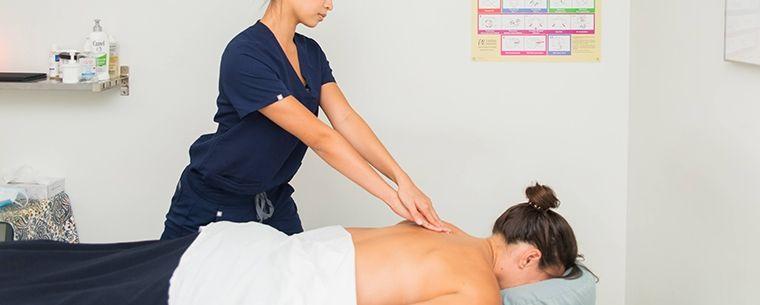
Finding the best registered massage therapist can be easier when you know which qualifications and services to evaluate. A Registered Massage Therapist, commonly called an RMT, is trained to provide massage therapy within a defined professional scope. Choosing a suitable practitioner involves more than looking at price or selecting the clinic closest to home. Professional registration, relevant experience, communication, assessment, treatment methods, and client comfort all deserve attention.
When looking for the best registered massage therapist, begin by considering your reason for booking treatment. You may want massage therapy for relaxation, perceived muscle tension, physical activity-related soreness, general wellness, or support with comfortable movement. Your goal can help determine which therapist's experience and approach are most relevant to you.
What Is a Registered Massage Therapist?
A Registered Massage Therapist is a professional who provides massage therapy using hands-on techniques that primarily work with soft tissues, including muscles and connective tissues. Treatment can be adapted according to the client's circumstances, goals, preferences, and response to previous sessions.
In Ontario, Registered Massage Therapists are regulated by the College of Massage Therapists of Ontario. Regulation establishes professional requirements and standards that registered practitioners must follow.
Why Registration Is Important
If you specifically want an RMT, checking professional registration should be one of your first steps. Registration helps confirm that the practitioner is authorized to practise as a Registered Massage Therapist.
Ontario clients can check the relevant public register to verify registration information. This can also be useful if an extended health benefits plan requires massage therapy services to be provided by an RMT.
Professional registration is important, but it does not by itself determine which therapist is best suited to you. Experience, treatment approach, communication, location, availability, and your personal needs should also be considered.
What Makes the Best Registered Massage Therapist?
The best RMT for one client may not be the best choice for another. A suitable practitioner should have qualifications and experience that fit the client's circumstances.
Relevant Professional Experience
Consider whether the therapist has experience related to your reason for seeking treatment. For example, a recreational athlete may prefer an RMT who regularly treats physically active clients. An office employee who spends many hours at a computer may want someone familiar with concerns associated with prolonged sitting and repetitive activities.
Before booking, ask whether the therapist has experience with concerns similar to yours. This question can help you understand whether the practitioner's background aligns with your expectations.
Appropriate Assessment
A professional appointment should begin with a suitable discussion of your concerns. Your therapist may ask when the problem began, where you notice it, what activities affect it, and whether you have previous injuries or other relevant health information.
Depending on the circumstances, the RMT may assess movement, tenderness, muscle tension, or other relevant factors. This information can help inform treatment decisions.
For example, a client who experiences shoulder tension after prolonged computer use may have different treatment considerations from someone who develops temporary soreness after changing their exercise routine.
Clear Communication
Communication is an essential part of professional massage therapy. Your therapist should give you an opportunity to explain your goals and concerns before treatment begins.
You should also feel comfortable asking questions and providing feedback during the session. If the pressure is uncomfortable or a technique does not feel appropriate, communicate this clearly so the therapist can determine whether an adjustment is suitable.
How to Find the Right RMT
Choosing a therapist becomes easier when you use a consistent process instead of relying on advertising alone.
Identify Your Main Goal
First, determine what you want from massage therapy. Your goal could be relaxation, managing perceived muscle tension, supporting comfortable movement, addressing exercise-related soreness, or maintaining general wellness.
A clear goal can help you narrow your search and ask more useful questions when contacting clinics.
Verify Credentials
Confirm that the practitioner is currently registered with the appropriate regulatory authority. Do not rely exclusively on a clinic website, advertisement, or social media page.
Credential verification is especially useful if you intend to submit treatment expenses through an extended health benefits plan.
Ask About Treatment Techniques
RMTs may use different techniques depending on their training, experience, assessment, and the client's needs. Ask what approaches the therapist commonly uses and how they determine which methods are appropriate.
A professional should be able to explain treatment in straightforward language and avoid promising guaranteed results.
Consider Practical Details
Location, appointment times, treatment fees, cancellation policies, parking, accessibility, and insurance receipts can all affect your experience.
A therapist may be highly qualified, but if appointments are difficult to schedule or the location is impractical, maintaining regular visits may become challenging.
Practical Benefits of Choosing the Right Therapist
More Personalized Care
Every client has different preferences, activity levels, sensitivities, and treatment objectives. An RMT can adapt treatment areas, pressure, positioning, and techniques according to individual circumstances.
This personalized approach can make a session more relevant than receiving the same routine regardless of your needs.
Better Treatment Planning
A clear understanding of your goals gives the therapist useful information when planning an appointment. Someone seeking relaxation may have different priorities from someone who wants focused attention on an area affected by perceived muscular tension.
Discussing your priorities before treatment can make expectations clearer for both sides.
Improved Continuity
If you plan to attend multiple appointments, continuity can be helpful. Your response to previous treatment, changes in physical activity, work demands, and current concerns may influence the focus of future sessions.
A therapist who reviews your progress and adjusts treatment appropriately can make follow-up appointments more responsive to your current situation.
Greater Comfort and Confidence
A professional treatment environment should allow you to communicate openly. You should be able to discuss pressure, positioning, sensitive areas, and other reasonable concerns.
Respect for privacy, consent, professional boundaries, and comfort contributes to a positive treatment experience.
Common Challenges When Choosing an RMT
Comparing Too Many Clinics
Toronto and other large urban areas have numerous massage therapy providers. Comparing every option can be overwhelming.
A practical approach is to narrow your choices by checking registration first. Then compare relevant experience, treatment approach, location, availability, fees, and client feedback.
Relying Too Heavily on Reviews
Online reviews can provide useful information, but they should not be treated as proof that a particular therapist is the right choice for you.
A review describes one person's experience. It does not replace professional credential verification or an assessment of your own treatment needs.
Choosing Based Only on Price
Price matters, especially if you plan to attend regularly. However, the lowest fee does not necessarily mean the best value.
Consider qualifications, experience, appointment length, convenience, communication, treatment approach, and insurance eligibility alongside cost.
Expecting Guaranteed Outcomes
Be cautious about claims that guarantee specific results. Individual responses to massage therapy can vary, and treatment outcomes depend on numerous factors.
A responsible RMT should communicate realistically and avoid presenting massage therapy as a guaranteed solution for every physical concern.
Preparing for Your First Appointment
Explain Your Concern Clearly
Think about when your concern started, where you notice it, and what activities affect it. Mention relevant work duties, exercise habits, repetitive movements, or previous injuries.
Share Relevant Information
Provide accurate information about your health circumstances and previous injuries that may affect treatment. This information can help the therapist decide whether treatment modifications are necessary.
Discuss Your Expectations
Explain what you hope to get from the appointment. Be specific about whether relaxation, comfort, movement, or focused attention on a particular area is your priority.
Give Feedback During Treatment
Your feedback matters. If pressure is too strong, a technique is uncomfortable, or you have a question, tell the therapist. Open communication can help maintain appropriate comfort throughout the appointment.
Important Considerations Before Massage Therapy
Massage therapy is not appropriate for every situation. Certain injuries, infections, medications, health conditions, or other circumstances may require treatment modifications or advice from another healthcare professional.
Severe unexplained pain, significant trauma, sudden weakness, substantial swelling, or major changes in physical function should not automatically be assumed to result from ordinary muscle tension. Appropriate medical assessment may be necessary.
A responsible RMT should recognize concerns that may require care outside the scope of massage therapy and recommend further assessment when appropriate.
Frequently Asked Questions
1. How do I find the best registered massage therapist?
Identify your treatment goals, verify professional registration, consider relevant experience, ask about treatment techniques, and evaluate communication, location, availability, and fees.
2. How can I verify an RMT's credentials?
If you are in Ontario, you can use the public register maintained by the College of Massage Therapists of Ontario to check a practitioner's registration status.
3. Are online reviews important when choosing an RMT?
Reviews can provide useful insight into other clients' experiences, but they should be only one part of your research. Credentials, experience, treatment approach, and personal suitability are equally important.
4. How often should I see a registered massage therapist?
There is no universal schedule. Frequency depends on your treatment goals, individual circumstances, response to previous sessions, activity level, and recommendations from appropriate healthcare professionals.
5. What should I discuss during my first appointment?
Explain your main concern, relevant health information, previous injuries, physical activities, treatment goals, and comfort preferences. You can also ask about fees, appointment length, cancellation policies, and insurance receipts.
Conclusion
Choosing the best registered massage therapist requires a thoughtful comparison of professional qualifications, relevant experience, assessment practices, treatment methods, communication, and practical considerations. Price and location matter, but they should not be the only factors influencing your decision.
Start by identifying your reason for seeking massage therapy and verify that the practitioner has appropriate professional registration. Ask questions about experience and treatment techniques, explain your expectations, and make sure you feel comfortable communicating during treatment.
The right RMT is not necessarily the practitioner with the most reviews or the lowest price. A better choice is a qualified professional whose experience, approach, communication style, and services fit your individual needs. Careful research can help you make an informed decision and establish a professional treatment relationship based on realistic expectations, comfort, and clear communication.

 Arabic
 French
 Spanish
 Portuguese
 Deutsch
 Turkish
 Dutch
Dutch
 Italiano
 Russian
 Romaian
 Portuguese (Brazil)
 Greek
Greek