


Virtual Medical Assistants and HIPAA Compliance: What You Need to Know
Introduction to Virtual Healthcare Support
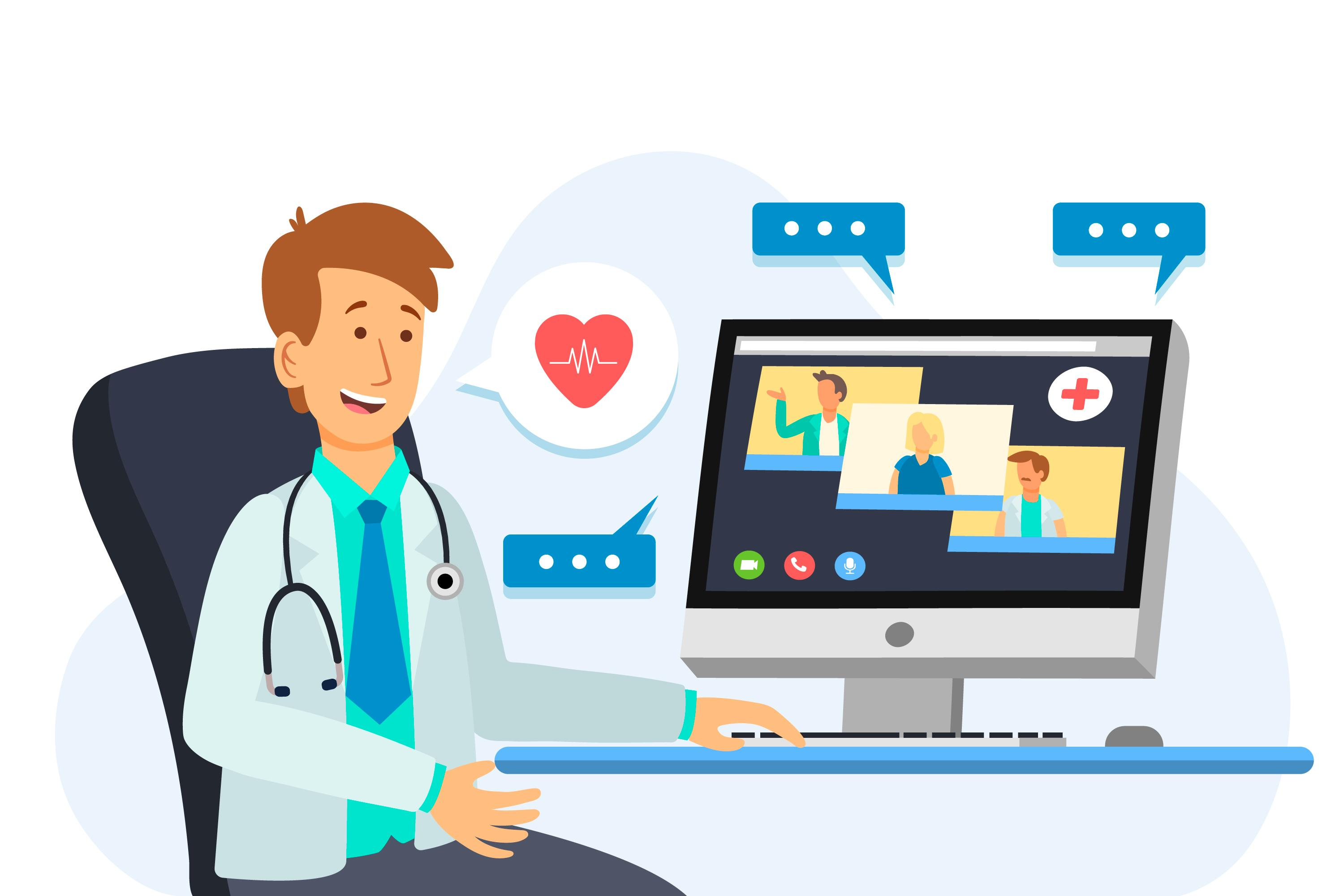
Healthcare in the United States is rapidly changing due to technology. Clinics, hospitals, and private practices are now using digital tools to save time and reduce workload. One of the most popular tools today is the Virtual Medical Assistant, which helps healthcare providers manage daily tasks while focusing more on patient care.
Virtual assistants work remotely and handle both clinical and administrative responsibilities. However, because they deal with sensitive patient information, privacy and security laws like HIPAA become extremely important. Understanding how HIPAA applies to virtual roles is essential for students entering healthcare or health administration fields.
What Is a Virtual Medical Assistant?
A virtual medical assistant is a trained professional who works remotely to support healthcare providers. They use secure systems to help clinics operate smoothly without being physically present.
Their tasks often include scheduling appointments, managing medical records, billing, insurance verification, and patient communication. Since they handle protected health information, they must follow strict privacy rules.
Why HIPAA Compliance Matters
HIPAA stands for the Health Insurance Portability and Accountability Act. It is a U.S. law designed to protect patient health information from misuse or unauthorized access.
Any healthcare worker, including remote staff, must follow HIPAA rules. If patient data is exposed or mishandled, it can lead to legal penalties, loss of trust, and damage to a healthcare organization’s reputation.
Understanding Protected Health Information (PHI)
Protected Health Information, or PHI, includes any data that can identify a patient. This may include names, addresses, medical history, lab results, or insurance details.
Virtual assistants often access PHI while working online. This makes secure systems, passwords, and data-handling practices a top priority in virtual healthcare roles.
How Virtual Medical Assistants Handle Patient Data
Virtual assistants access patient information through encrypted software systems. These platforms are designed to meet HIPAA security standards and prevent unauthorized access.
They are trained to only view information necessary for their tasks. Logging out of systems, using secure internet connections, and avoiding public Wi-Fi are basic but critical practices.
HIPAA Training for Virtual Medical Assistants
HIPAA training is mandatory for anyone working with patient data. Virtual medical assistants receive training on privacy rules, security risks, and ethical responsibilities.
This training helps them understand what they can and cannot do with patient information. Regular refreshers ensure compliance with updated laws and technologies.
Common HIPAA Risks in Virtual Work
Remote work introduces certain risks, such as data breaches or unauthorized access. Using personal devices without security protection can expose sensitive information.
To reduce risks, virtual assistants must use strong passwords, two-factor authentication, and employer-approved devices. Following protocols protects both patients and healthcare providers.
Secure Communication in Virtual Healthcare
Virtual assistants often communicate with patients through email, phone, or messaging platforms. These communications must always be secure and HIPAA-compliant.
Using encrypted email systems and approved messaging tools ensures that patient conversations remain private. Sharing information through personal accounts is strictly prohibited.
Role of Virtual Assistants in Insurance and Authorizations
Insurance processes are a major part of healthcare administration. Virtual assistants often help verify coverage, submit claims, and follow up on approvals.
In many practices, they also support or work closely with a prior authorization specialist, ensuring treatments and procedures are approved by insurance providers. This role requires accuracy, confidentiality, and compliance with privacy laws.
HIPAA and Cloud-Based Medical Software
Most virtual medical assistants use cloud-based systems like electronic health records (EHRs). These systems must meet HIPAA security standards to be legally used.
Healthcare providers choose vendors that offer encryption, audit logs, and secure access controls. This protects patient data even when accessed remotely.
Legal Responsibilities of Healthcare Providers
Healthcare providers are legally responsible for the actions of their virtual staff. This includes ensuring assistants are trained and compliant with HIPAA.
Business Associate Agreements (BAAs) are often signed to confirm that virtual assistants understand and accept HIPAA responsibilities. This protects both parties legally.
Why HIPAA Compliance Builds Patient Trust
Patients trust healthcare providers with their most personal information. Knowing that their data is protected builds confidence and loyalty.
HIPAA compliance shows professionalism and ethical responsibility. Virtual assistants play a key role in maintaining this trust through careful and respectful handling of data.
Career Benefits for Students Learning HIPAA Rules
For students in healthcare, health administration, or medical billing, understanding HIPAA is a valuable skill. It improves employability and career growth.
Virtual roles are expanding, and employers look for candidates who understand compliance. HIPAA knowledge opens doors to remote healthcare careers.
Future of Virtual Medical Assistance
The demand for virtual healthcare support is expected to grow. As technology advances, virtual medical assistants will become even more important.
HIPAA compliance will remain a core requirement. Those who master both technology and privacy laws will succeed in this evolving healthcare landscape.
Conclusion
Virtual medical assistants are transforming modern healthcare by offering flexible and efficient support.
HIPAA compliance ensures patient privacy and legal protection in virtual environments.
Students should understand both technology and healthcare laws to succeed.
Following HIPAA rules builds trust, professionalism, and long-term career success.

 English
 Arabic
 Spanish
 Portuguese
 Deutsch
 Turkish
 Dutch
Dutch
 Italiano
 Russian
 Romaian
 Portuguese (Brazil)
 Greek
Greek