


Where to Get Aqualyx Injections in Dubai for Fat Reduction
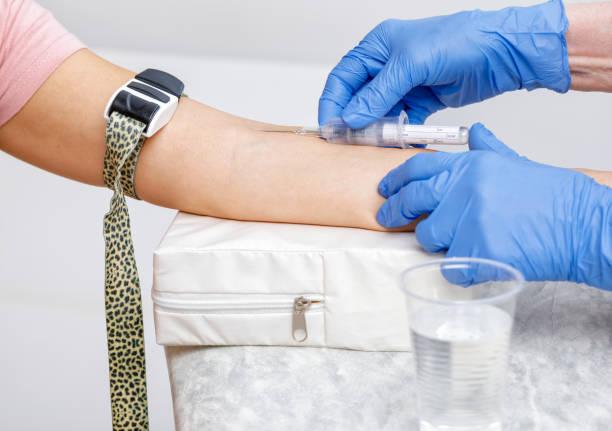
Choosing where to undergo any aesthetic treatment is as important as deciding to have it done. With injectable fat reduction, the stakes are particularly high because the product is potent, the anatomy is complex, and the consequences of poor technique can be lasting. Knowing where to get Aqualyx Injections in Dubai for fat reduction safely means understanding the regulatory environment, the qualifications that matter, and the red flags that should send you elsewhere.
The Regulatory Framework That Protects You
Dubai operates under a stringent healthcare regulatory system governed by the Dubai Health Authority. This framework is your first line of defense against unsafe practices.
Licensed Facilities Versus Unregulated Spaces
Every legitimate clinic offering this treatment must hold a valid healthcare facility license. This license is not a one-time acquisition. It requires ongoing compliance with standards covering infection control, product storage, staff qualifications, and emergency preparedness.
You have the absolute right to verify a clinic's license. A reputable facility will display its credentials openly or provide them without hesitation when asked. Treatment in a hotel room, a private residence, a beauty salon, or any space not designated as a medical facility is categorically unsafe. The product must be stored under specific temperature conditions. It must be reconstituted in a sterile environment. Emergency medications must be available if an adverse reaction occurs. None of these conditions can be guaranteed in a non-medical setting.
Product Authenticity and Sourcing
Aqualyx is a branded product with specific manufacturing and distribution channels. Licensed clinics in Dubai source their products through approved pharmaceutical distributors, ensuring the vials are authentic, properly stored, and within their expiration date.
The global problem of counterfeit aesthetic products is real and dangerous. A vial purchased from an unauthorized source may contain an unknown substance, an incorrect concentration, or a contaminated solution. Injecting such a product into your body can cause tissue necrosis, severe infection, or systemic illness. The slightly lower price offered by an unlicensed provider is never worth this risk.
The Practitioner: Who Should Hold the Syringe
The person performing your injections is more important than the clinic's brand name. Injectable fat reduction requires a specific skill set that not all medical professionals possess.
Required Qualifications and Experience
In Dubai, injectable treatments must be performed by a licensed physician or, in some contexts, a highly trained nurse under direct physician supervision. The practitioner should have documented, verifiable training in the specific product and technique, not just general aesthetic medicine.
Aqualyx has a distinct injection protocol that differs from neurotoxin or dermal fillers. The depth of injection, the volume per point, the fanning technique, and the spacing of injection sites are all specific to this treatment. A practitioner who has attended a manufacturer-sponsored training and who performs this treatment regularly is far preferable to one who occasionally offers it among a wide menu of other services.
The Value of Anatomical Knowledge
The areas treated with fat-dissolving injections are anatomically complex. The submental region contains the marginal mandibular nerve, which controls lower lip movement. The salivary glands sit near the fat pad and must be avoided. The platysma muscle lies beneath the fat, and injecting into it rather than above it produces a different, undesired effect.
A practitioner with deep anatomical knowledge palpates the area carefully before injecting. They identify the boundaries of the fat pad. They note the location of the jawbone, the glands, and any visible vessels. They inject at the correct depth, into the fat itself, not the muscle below or the skin above. This precision is what prevents complications like nerve injury, muscle damage, or skin ulceration.
The Consultation as a Safety Screening
The consultation is your opportunity to evaluate the practitioner and the facility. It should be thorough, unhurried, and honest.
What a Proper Consultation Includes
A comprehensive consultation for fat-dissolving injections should include:
-
A detailed medical history review, including any history of liver disease, lymphatic disorders, autoimmune conditions, or severe allergies
-
A discussion of all medications and supplements, particularly those affecting clotting or inflammation
-
A physical examination of the treatment area, including a pinch test to assess fat thickness and skin elasticity
-
A realistic discussion of expected results, including the number of sessions likely needed
-
An honest explanation of the recovery process, particularly the swelling and its duration
-
A transparent quote for the full treatment course, not just a single session
-
An opportunity to ask questions without feeling rushed
-
No pressure to proceed immediately or to add treatments
Red Flags You Should Not Ignore
Certain warning signs during consultation should prompt you to leave and seek care elsewhere.
Red flags that signal an unsafe provider:
-
The practitioner does not personally review your medical history
-
They promise specific, measurable fat loss in centimeters or kilograms
-
They minimize or dismiss the swelling and recovery process
-
They are willing to treat areas with poor skin elasticity or very large volumes of fat
-
The price seems dramatically lower than the market average
-
The consultation feels rushed, and your questions are not fully answered
-
You feel pressure to book and pay for a treatment package immediately
-
The injector cannot clearly explain the anatomical boundaries of the treatment area
Trust your instincts. If something feels wrong, it probably is. A safe, ethical practitioner will never make you feel uncomfortable for asking questions or for wanting time to think.
The Facility Environment
When you enter the treatment room, observe your surroundings. The room should be clean, well-lit, and clearly a medical space. There should be an examination table or chair, proper lighting, and visible hand hygiene facilities. The injector should wear gloves. The injection sites should be cleansed with an antiseptic solution. The vial should be opened in front of you, and you should be able to verify the product name and expiration date if you wish.
These are not excessive demands. They are basic standards of medical care, and any facility that makes you feel awkward for noticing or asking about them is not a facility where you should be treated.
Article 4: Best Aqualyx Injections in Dubai for Stubborn Fat Areas
SEO Title (≤ 60 characters)
Best Aqualyx Injections in Dubai for Stubborn Fat Areas
Meta Description (exactly 120 characters)
Find the best Aqualyx Injections in Dubai for stubborn fat areas. Expert technique, honest assessment, and refined results. Tajmeels Clinic.
Best Aqualyx Injections in Dubai for Stubborn Fat Areas
The word "best" in aesthetic medicine is not about luxury or marketing. It refers to outcomes that are safe, natural-looking, and aligned with the patient's goals. Achieving the best Aqualyx Injections in Dubai for stubborn fat areas requires a combination of factors: the right patient selection, the right technique, the right aftercare, and the right expectations. When all these elements align, the result is not just fat reduction but a refined contour that looks as though it could have occurred naturally.
What Defines the Best Outcome
A best outcome is not necessarily the most dramatic one. It is the outcome that most closely matches what was discussed and agreed upon during consultation.
Natural-Looking Contour, Not an Over-Sculpted Hollow
The hallmark of a best result is that the treated area looks like you never had excess fat there in the first place, not like you had fat removed. There is a subtle but important difference.
A naturally smooth jawline does not have a sharp, excavated hollow beneath it. A naturally flat abdomen does not have visible indentations where pockets of fat were removed. The best injectors understand that the goal is to restore or create a contour that looks anatomical, not surgical.
This means they treat conservatively. They leave a thin, even layer of fat rather than attempting to dissolve every last cell. This residual fat provides a smooth transition between the treated area and the surrounding tissue, preventing the telltale step-off or shadow that signals an over-treated area.
Symmetry and Smoothness
The best results are symmetrical. This is particularly challenging in the submental area, where small asymmetries in fat distribution are common. A skilled injector assesses this pre-existing asymmetry and may inject slightly different volumes or patterns on each side to achieve balance.
Smoothness is equally important. The post-treatment fibrosis, the temporary hardness that forms as the area heals, must resolve evenly. If some areas of the fat pad were treated more aggressively than others, the fibrosis may be uneven, creating lumps or irregularities that take months to soften. The best technique involves a uniform grid of injections, with each point receiving a similar volume, ensuring even distribution and, ultimately, even resolution.
The Techniques That Produce the Best Results
Technique matters enormously. The best injectors have refined their approach through experience and ongoing education.
The Fanning and Grid Technique
Rather than injecting a single bolus of product into the center of the fat pad, the best practitioners use a fanning or grid technique. The needle is inserted into the fat, and as it is slowly withdrawn, small aliquots of product are deposited along the needle track. This creates multiple columns of product distribution, ensuring maximum contact with the fat cells throughout the entire pad.
For the submental area, this might mean five to seven entry points, each with a fanning distribution. For the inner thigh, a broader grid pattern is used. The spacing of injection points is calculated based on the product's diffusion characteristics, ensuring that the entire fat pocket is treated without leaving gaps.
Depth Control and Structure Avoidance
The best injectors have an intuitive feel for the correct tissue plane. The needle tip must be within the subcutaneous fat, above the muscle fascia. Injecting too deep, into the platysma muscle of the neck or the muscle of the thigh, causes unnecessary pain, does not treat the fat, and can damage muscle tissue.
Injecting too superficially, into the dermis, can cause skin damage, including ulceration or necrosis. The best injectors use a combination of palpation, anatomical knowledge, and tactile feedback to confirm they are in the correct plane before depressing the plunger.
The Role of Cannula Versus Needle
Some advanced practitioners prefer to use a blunt-tipped microcannula rather than a sharp needle for fat-dissolving injections. The cannula is less likely to penetrate a blood vessel, reducing bruising risk. It can also be moved more freely within the fat pad, allowing broader distribution from fewer entry points.
This is an advanced technique that requires specific training. Not all practitioners offer it, and not all areas are suitable. However, for certain patients, particularly those who bruise easily or who are treating larger areas, the cannula technique may contribute to a smoother recovery and a more even result.
The Importance of the Treatment Series
The best results are rarely achieved in a single session. The product destroys a portion of the fat cells each time, and the body needs time to clear the debris before the next session.
Spacing and Patience
The recommended interval between sessions is six to eight weeks. This is not arbitrary. It takes approximately this long for the inflammatory response to fully resolve, the fibrosis to soften, and the final contour from the previous session to become visible. Treating too soon, before the result of the previous session is known, risks over-treatment and an unnatural outcome.
The best practitioners resist the pressure to shorten this interval. They explain the biological rationale and encourage patience. The total treatment course, typically three to four sessions spaced two months apart, means the final result is not visible for six to eight months after the first injection. Understanding and accepting this timeline is part of the commitment to achieving the best outcome.
Knowing When to Stop
The best injector knows when to stop treating. After two or three sessions, you and your practitioner will reassess. If the contour is smooth and the fat pocket is adequately reduced, further treatment offers diminishing returns and risks over-correction.
A practitioner who recommends additional sessions when the result is already excellent is prioritizing revenue over your outcome. The best practitioners are honest when you have reached the endpoint and do not encourage unnecessary additional treatment.

 Arabic
 French
 Spanish
 Portuguese
 Deutsch
 Turkish
 Dutch
Dutch
 Italiano
 Russian
 Romaian
 Portuguese (Brazil)
 Greek
Greek