


How Muscle Separation and Loose Skin Are Evaluated Before Tummy Tuck in Islamabad
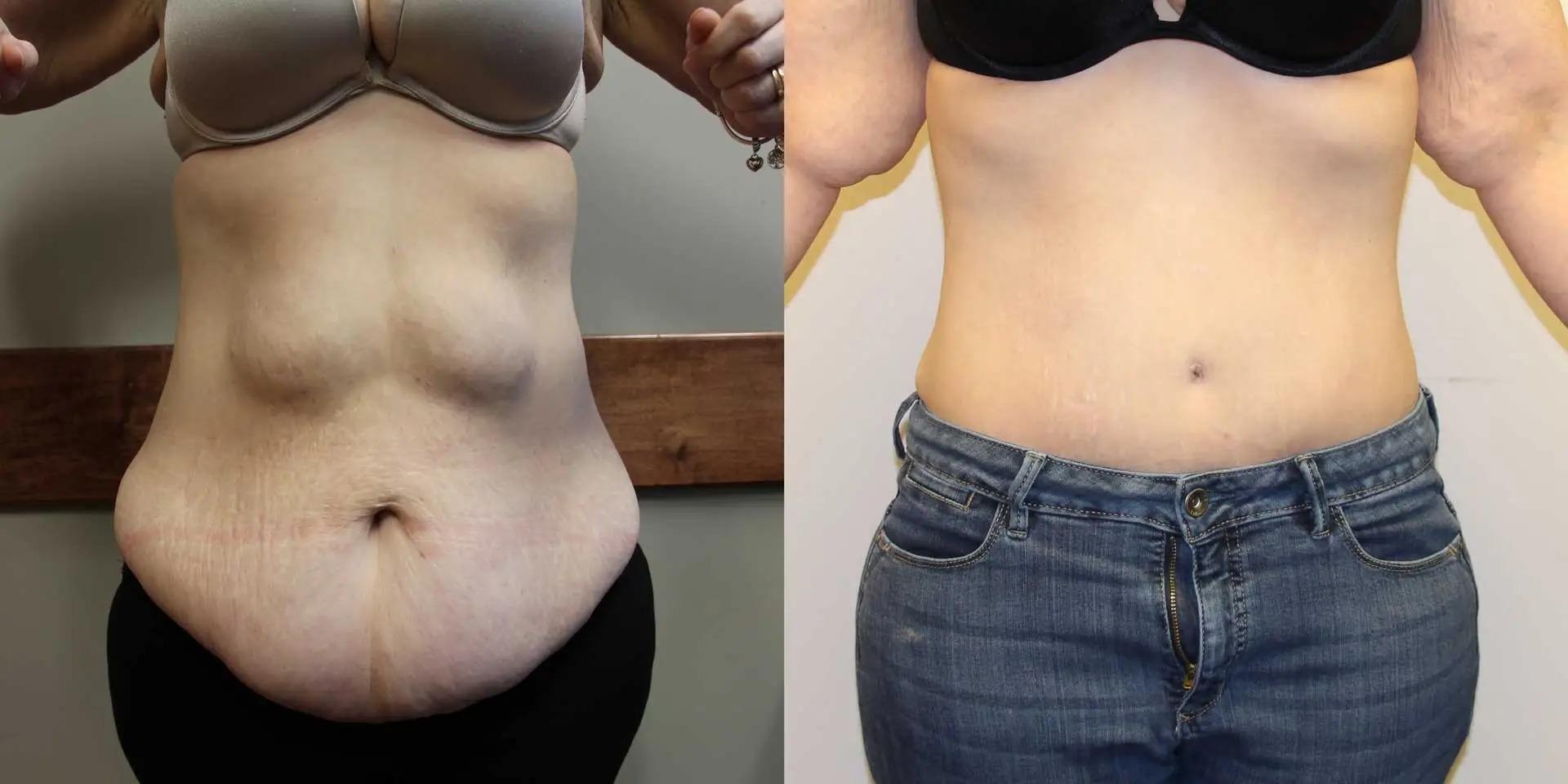
Before undergoing abdominal contouring, it is important to understand whether the main concern is loose skin, muscle separation, excess fat, or a combination of these issues. A detailed physical assessment helps determine which tissues are contributing to the abdominal appearance and how they may be addressed surgically. For people considering Tummy Tuck in Islamabad, evaluating abdominal skin and muscle condition before surgery is an essential step toward developing a personalized treatment plan.
Why Preoperative Abdominal Evaluation Matters
A tummy tuck is not simply a procedure for removing excess skin. The appearance of the abdomen can be influenced by several different anatomical structures.
Loose skin may develop after pregnancy, significant weight loss, aging, or repeated weight fluctuations. At the same time, the abdominal muscles may become stretched or separated, particularly after pregnancy or major changes in abdominal pressure.
Understanding these factors allows the surgeon to determine what the procedure should focus on and whether additional correction may be appropriate.
What Is Muscle Separation?
Muscle separation commonly refers to diastasis recti, a condition in which the connective tissue between the two sides of the abdominal muscles becomes widened.
It is frequently associated with pregnancy, although other factors can contribute to changes in the abdominal wall.
Muscle separation can make the abdomen appear more prominent, particularly when the patient strains the abdominal muscles. However, not every abdominal bulge is caused by muscle separation.
A professional examination is therefore necessary to distinguish muscle-related changes from excess skin or fat.
How Loose Abdominal Skin Is Evaluated
The surgeon first examines the amount and location of redundant skin.
This may involve observing the abdomen while the patient is standing and lying down. The surgeon can assess how the skin hangs naturally and whether the laxity is concentrated in the lower abdomen or extends across a larger area.
Important characteristics include:
- Amount of excess skin
- Skin elasticity
- Location of skin laxity
- Presence of folds
- Stretch marks
- Skin thickness
- Previous scars
- Overall abdominal proportions
These observations help determine how much skin may potentially be removed and which surgical approach could be appropriate.
The Pinch Test and Skin Mobility
During an examination, the surgeon may gently assess how much skin and soft tissue can be moved or pinched.
This provides information about tissue thickness, skin mobility, and the amount of available excess tissue.
The examination is not simply about measuring the skin. It also helps the surgeon understand how the tissues behave when the patient changes position.
This information can contribute to incision planning and decisions regarding the extent of skin removal.
How Muscle Separation Is Assessed
The abdominal wall can be assessed through physical examination.
The patient may be asked to contract the abdominal muscles or perform controlled movements while the surgeon observes the abdominal wall.
The surgeon may assess:
- The location of abdominal bulging
- Muscle tension
- Width of any suspected separation
- Abdominal-wall firmness
- Symmetry
- Changes during muscle contraction
In some situations, additional medical evaluation or imaging may be considered, particularly when the diagnosis is uncertain or another abdominal-wall problem needs to be investigated.
Why Pregnancy Can Affect Both Skin and Muscles
Pregnancy can significantly stretch the abdominal tissues.
As the abdomen expands, the skin stretches and the abdominal wall experiences increased tension. After delivery, the skin may retract to varying degrees, while the abdominal wall may remain somewhat lax or separated.
Some patients therefore have both excess skin and muscle separation.
When both concerns are present, simply removing skin may not address the entire abdominal contour. The surgical plan must be based on the individual's anatomy.
How Weight Loss Changes the Abdomen
Significant weight loss can also create a combination of loose skin and altered abdominal contour.
After substantial weight reduction, the skin may remain stretched even when the underlying fat has decreased considerably.
Patients may also notice changes in abdominal proportions because the skin no longer closely follows the underlying tissues.
A consultation can help determine whether the primary concern is redundant skin, muscle laxity, localized fat, or several factors together.
Distinguishing Skin, Fat, and Muscle
One of the most important parts of preoperative assessment is identifying what is actually creating the abdominal bulge.
| Abdominal concern | What the surgeon evaluates | Possible surgical consideration |
|---|---|---|
| Loose skin | Amount, elasticity, folds | Excess skin removal |
| Muscle separation | Abdominal-wall condition | Muscle repair when appropriate |
| Localized fat | Fat distribution and thickness | Possible contouring |
| Stretch marks | Location and extent | May be removed with excised skin in some areas |
| Previous scars | Position and tissue quality | Modified surgical planning |
| Combined concerns | Interaction between tissues | Individualized approach |
These concerns frequently overlap, which is why a detailed examination is more useful than relying on appearance alone.
Does Everyone With Muscle Separation Need Repair?
No.
The presence and extent of muscle separation do not automatically mean that surgical repair is necessary for every patient.
The surgeon considers the patient's symptoms, abdominal contour, degree of laxity, overall anatomy, and treatment goals.
If muscle repair is appropriate, the surgeon can explain why it is being considered and how it fits into the overall tummy tuck plan.
Patients should not assume that more extensive correction is always better. The appropriate approach should be based on individual needs and surgical safety.
How Previous Surgery Can Affect the Assessment
Previous abdominal surgery is another important part of the evaluation.
Procedures such as C-sections, hernia repairs, appendectomies, previous liposuction, or other abdominal operations may leave scars or alter underlying tissues.
Patients should provide a complete surgical history during consultation.
Previous operations may influence incision placement, tissue assessment, and the overall surgical approach.
Evaluating the Belly Button
The belly button is an important anatomical landmark when assessing the abdomen.
During a full tummy tuck, abdominal skin is repositioned, so the surgeon must consider the belly button's location and relationship to the surrounding tissues.
Its position, shape, and proportion can contribute significantly to the overall appearance of the abdomen.
Planning should therefore consider the entire abdominal contour rather than focusing only on the lower skin.
How Body Position Helps the Evaluation
The abdomen can look different when a person is standing, sitting, bending, or lying down.
Standing examination allows the surgeon to observe the effect of gravity on loose skin and abdominal tissues.
Lying down may provide a different view of tissue mobility and abdominal-wall characteristics.
Using more than one position can help provide a more complete understanding of the patient's anatomy.
When Additional Testing May Be Considered
Many patients can be evaluated primarily through medical history and physical examination.
However, additional testing may sometimes be appropriate when the surgeon suspects a hernia, significant abdominal-wall problem, or another condition that requires further assessment.
The decision depends on the patient's symptoms, history, examination findings, and clinical circumstances.
Patients should follow the surgeon's recommendations rather than assuming that imaging is necessary—or unnecessary—for everyone.
How Evaluation Influences Tummy Tuck Planning
The findings from the consultation can influence several aspects of surgical planning.
These may include the extent of skin removal, incision design, whether muscle repair should be considered, and whether additional contouring may be appropriate.
For example, someone with substantial lower-abdominal skin laxity but relatively good muscle tone may require a different approach from someone with both significant loose skin and abdominal-wall laxity.
This personalized planning is important because there is no universal tummy tuck technique suitable for every body.
Setting Realistic Expectations
Preoperative evaluation is also an opportunity to discuss what surgery can realistically accomplish.
A tummy tuck can improve selected excess skin and, when appropriate, address abdominal-wall laxity. However, it cannot completely change underlying skeletal anatomy or guarantee perfect symmetry.
Patients should also understand that swelling and temporary tightness can affect the appearance during early recovery.
The final contour develops progressively as the tissues heal and settle.
FAQs About Muscle Separation and Loose Skin Evaluation
How does a surgeon know if I have muscle separation?
A surgeon can often assess the abdominal wall through a physical examination, including observing the abdomen during controlled muscle contraction. Additional evaluation may be recommended when necessary.
Is loose skin the same as muscle separation?
No. Loose skin involves redundant or stretched skin, while muscle separation involves changes in the abdominal wall. They can occur together but are different concerns.
Can exercise fix muscle separation?
Exercise may improve abdominal strength, but whether it can address a specific degree of muscle separation depends on the individual. Anyone considering surgery should discuss their abdominal-wall condition with a qualified professional.
Can a tummy tuck remove loose skin and address muscle laxity?
In appropriate patients, a tummy tuck can remove selected excess skin and may include abdominal muscle repair when clinically appropriate.
Do I need an ultrasound before a tummy tuck?
Not everyone needs imaging. Additional testing depends on the patient's history, symptoms, physical examination, and whether the surgeon identifies a reason for further investigation.
Does previous pregnancy affect tummy tuck planning?
Yes. Pregnancy can contribute to skin laxity and abdominal-wall changes, so pregnancy history is an important part of preoperative assessment.
Can weight loss make muscle separation worse?
Weight loss itself does not necessarily cause muscle separation, but substantial changes in body composition can make existing abdominal-wall changes more visible. A professional assessment can identify the underlying issue.
Why a Detailed Assessment Supports Better Planning
Evaluating muscle separation and loose skin before surgery helps ensure that the treatment plan addresses the actual causes of an uneven or protruding abdomen. Skin quality, tissue elasticity, abdominal-wall condition, fat distribution, previous surgery, and body proportions can all influence the approach.
A tummy tuck should therefore be planned around the patient's anatomy rather than based on a standard procedure alone. Understanding what surgery can and cannot correct also helps patients develop realistic expectations about their results and recovery.
If you are considering abdominal contouring and want to know whether loose skin, muscle separation, or both are contributing to your concerns, consulting a qualified team at a reputable Plastic Surgery Clinic can help you receive an individualized assessment and understand the most appropriate treatment options for your anatomy and goals.

 Arabic
 French
 Spanish
 Portuguese
 Deutsch
 Turkish
 Dutch
Dutch
 Italiano
 Russian
 Romaian
 Portuguese (Brazil)
 Greek
Greek