


How an Automatic Colony Counter Makes Microbial Analysis Faster and Easier
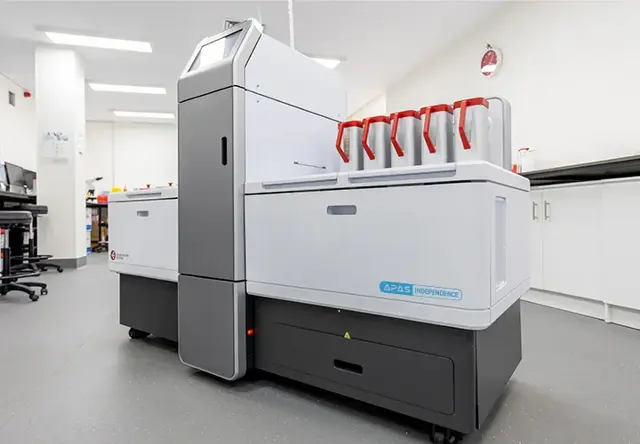
Microbial analysis is an essential part of quality control in pharmaceutical manufacturing, food and beverage production, environmental testing, biotechnology, and research laboratories. One of the most common tasks in microbiology is counting colonies that grow on agar plates after incubation.
Traditionally, this process is performed manually, which can be time-consuming and prone to human error. An automatic colony counter provides a faster, more consistent, and easier way to perform microbial colony counting while improving laboratory productivity.
What Is an Automatic Colony Counter?
An automatic colony counter is a laboratory instrument designed to detect, count, and sometimes classify microbial colonies on culture plates. Instead of relying entirely on the laboratory technician's eyes, the instrument uses imaging technology, software, lighting systems, and specialized algorithms to identify colonies.
Depending on the model, an automatic colony counter can analyze different types of culture plates and provide digital results. Some advanced systems can also record images, distinguish colonies based on size or appearance, and store analytical data for future reference.
This makes the technology useful for laboratories that regularly process a large number of microbiological samples.
Why Manual Colony Counting Can Be Challenging
Manual colony counting may appear simple, but it can become difficult when laboratories handle many samples. A technician must carefully inspect each plate and identify individual colonies without accidentally counting the same colony twice.
Several factors can affect manual counting:
- Large numbers of colonies on a single plate
- Colonies growing close together
- Different colony sizes and shapes
- Uneven lighting
- Technician fatigue
- Visual differences between operators
- Time required for repetitive analysis
When dozens or hundreds of plates need to be examined, these challenges can significantly increase the workload. An automatic colony counter helps reduce many of these difficulties by providing a standardized digital counting process.
Faster Microbial Colony Counting
One of the biggest advantages of an automatic colony counter is speed. Manual counting requires the operator to inspect every plate individually and record the result. An automated system can capture an image of the plate and analyze it using integrated software.
This allows laboratories to process samples more efficiently, particularly when working with high sample volumes. Faster counting can reduce the time required for routine microbiological testing and allow laboratory personnel to focus on other important activities.
For quality control laboratories, improved speed can also contribute to faster decision-making. When test results are available sooner, laboratories can complete documentation and subsequent testing steps without unnecessary delays.
Improved Counting Consistency
Consistency is another important benefit of automation. Different technicians may interpret plates slightly differently when counting colonies manually. For example, one operator may identify a small or closely positioned colony differently from another operator.
An automatic colony counter applies programmed detection parameters to each image. This creates a more standardized approach to counting. Laboratories can establish suitable settings based on their testing requirements and apply them consistently across multiple samples.
Consistent analysis is particularly valuable when microbial testing is part of a regulated quality control process.
Reducing Human Errors
Human involvement remains important in microbiological testing, but repetitive counting tasks can increase the possibility of mistakes. Fatigue, distractions, poor visibility, and high colony density can all affect manual results.
Automated image-based counting reduces the amount of repetitive visual work performed by technicians. The system can detect colonies according to defined criteria and automatically calculate the count.
Although laboratory personnel should still review results when necessary, automation can significantly reduce avoidable counting errors and improve confidence in the recorded data.
Digital Image Capture and Documentation
Modern automatic colony counters often provide image capture capabilities. Instead of recording only a numerical result, the system can save an image of the analyzed culture plate.
This feature can be valuable for documentation and quality assurance. Laboratory staff can review the original image and compare it with the calculated result when required.
Digital records can also make it easier to organize test information and maintain a traceable history of microbial analysis. Depending on the instrument and software, data may be exported or integrated into laboratory information management systems.
Easier Analysis of Complex Plates
Not every culture plate contains evenly distributed colonies. Colonies may vary considerably in size, shape, color, and density. Some may also grow close together or overlap.
Advanced automatic colony counters use image-processing techniques to identify individual colonies and separate them from the background. Adjustable parameters can help users optimize detection for different types of samples.
This flexibility can make automated systems useful across a wide range of microbiological applications rather than limiting them to simple colony-counting tasks.
Applications Across Different Industries
Automatic colony counters are used in numerous industries where microbial enumeration is required.
Pharmaceutical Industry
Pharmaceutical laboratories use microbial testing as part of quality control and environmental monitoring. Automated colony counting can help laboratories process microbiological samples efficiently while maintaining consistent analysis.
Food and Beverage Industry
Food manufacturers routinely test products and raw materials for microbial contamination. Faster colony counting can help quality control teams evaluate samples efficiently and support production decisions.
Environmental Testing
Water, soil, and other environmental samples may require microbial enumeration. Automated counting can reduce the time required to analyze large numbers of plates.
Biotechnology and Research
Research laboratories can use automatic colony counters for experiments involving microbial growth, screening, and comparative studies. Digital images and automated calculations can make experimental results easier to document and evaluate.
How an Automatic Colony Counter Works
The basic process is straightforward. A prepared culture plate is placed on the instrument's counting platform. The system provides suitable illumination and captures an image using an integrated camera.
The software then analyzes the image and identifies objects that meet predefined colony-detection criteria. The system counts the detected colonies and displays the result on the screen.
Depending on the instrument, users may be able to adjust settings such as sensitivity, colony size, contrast, and background detection. After analysis, the result can be reviewed, stored, or exported for documentation.
Choosing the Right Automatic Colony Counter
Laboratories should consider several factors when selecting an automatic colony counter. These include counting accuracy, image quality, software capabilities, plate compatibility, ease of operation, data storage, and reporting features.
The instrument should also be suitable for the laboratory's expected sample volume and microbial testing requirements. Easy-to-use software can reduce operator training requirements, while reliable imaging technology can support consistent results.
For regulated laboratories, data management and traceability features may also be important considerations.
Conclusion
An automatic colony counter can transform a repetitive microbiological task into a faster and more standardized digital process. By combining imaging technology with automated analysis, it helps laboratories reduce manual workload, improve counting consistency, minimize avoidable errors, and simplify documentation.
Whether used in pharmaceutical quality control, food testing, environmental analysis, or microbiological research, automated colony counting can improve laboratory efficiency without removing the need for professional oversight. As laboratories continue to adopt digital technologies, automatic colony counters are becoming an increasingly useful solution for reliable and efficient microbial analysis.

 English
 French
 Spanish
 Portuguese
 Deutsch
 Turkish
 Dutch
Dutch
 Italiano
 Russian
 Romaian
 Portuguese (Brazil)
 Greek
Greek