


How Anti-Aging Facials Actually Work
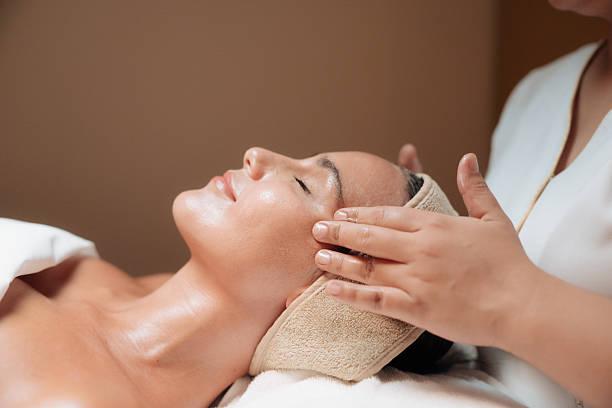
Fine lines seem to show up overnight. One day your skin looks fine, and then suddenly it doesn't, and you're standing in front of the mirror wondering what actually changed. The truth is, a lot changed, just slowly enough that you didn't notice it happening. Professional facials designed specifically for aging skin go deeper than a basic spa treatment, targeting the actual biological reasons your skin looks older. If you've been curious whether they're worth the investment, here's a plain-English breakdown of what they do, how they work, and what you can realistically expect.
Getting an Anti aging facial in San Diego, CA is a pretty common first step for adults who want visible results without jumping straight to injectables or laser treatments. And honestly, it makes sense to start there.
What's Actually Happening to Your Skin as You Age
Skin aging isn't just about surface dryness. It's a cellular thing. Starting in your late 20s, your body produces less collagen, the protein that keeps skin firm and bouncy. By the time you're in your 40s, collagen production can drop by around 1% every year, and that adds up fast. Loss of firmness, deeper lines, and that general "deflated" look all trace back to this.
Cell turnover slows down too. Young skin replaces itself roughly every 28 days. Older skin? That cycle can stretch to 45 or even 60 days, which means dead cells sit on the surface longer, making skin look dull and rough. Elastin fibers also break down over time, so skin doesn't snap back the way it used to. These aren't cosmetic quirks. They're structural changes, and that's exactly why superficial treatments often feel disappointing.
Sun exposure accelerates all of it. UV damage is one of the biggest drivers of what's called photoaging, which covers everything from sunspots to collagen breakdown. According to the National Institute of Arthritis and Musculoskeletal and Skin Diseases, cumulative UV exposure plays a major role in visible skin aging. So the skin you're dealing with now reflects years of both internal aging and environmental damage.
How Professional Facials Target These Specific Problems
A good anti-aging facial isn't a one-size-fits-all treatment. It's built around ingredients and techniques that address collagen production, cell turnover, and skin texture at the same time. Not just one of those things. All three.
Retinoids are probably the most researched ingredient in this space. They speed up cell turnover, push collagen production, and can visibly reduce fine lines with consistent use. Peptides work differently. They're short chains of amino acids that signal your skin to produce more collagen on its own, almost like sending a repair memo to your cells. Antioxidants like vitamin C and niacinamide fight free radical damage and help even out skin tone. When these ingredients are applied in a professional setting with proper concentration levels and delivery methods, they penetrate more effectively than most over-the-counter products.
Surface Hydration vs. Real Skin Rejuvenation
Here's where a lot of people get confused. A basic facial makes your skin feel soft and hydrated for a few days. Nice, but temporary. A skin rejuvenation facial in San Diego, CA is a different category of treatment. It's not just moisturizing the outer layer, it's triggering actual cellular responses that produce lasting structural change.
The difference shows up in results. Surface treatments plump skin with water and occlusives, which is fine for maintenance. Deeper rejuvenation treatments use exfoliation methods like chemical peels or enzyme treatments to remove dead skin, followed by active ingredients that signal the dermis to repair and rebuild. That's a fundamentally different mechanism. And it's why people who've had both types of facials usually describe the results very differently.
Think of it this way. Putting lotion on dry skin is like painting a cracked wall. The skin rejuvenation facial in San Diego, CA is more like fixing the cracks before you paint. One looks better temporarily. The other actually holds up over time.
What a Session Actually Looks Like, Step by Step
Most professional anti-aging facials follow a similar sequence. It usually takes 60 to 90 minutes. Here's what typically happens:
-
Skin analysis and cleansing. The esthetician looks at your skin type, concerns, and current condition before touching anything. Then a thorough cleanse removes makeup, sunscreen, and surface buildup.
-
Exfoliation. This is where dead cell removal happens, either through a chemical exfoliant like glycolic or lactic acid, an enzyme-based treatment, or gentle manual exfoliation. This step preps the skin to actually absorb what comes next.
-
Extractions (if needed). Not every client needs these, but clogged pores get cleared here. Skipping this when it's needed means serums sit on top of blockages instead of penetrating.
-
Active serum application. This is the core of the treatment. Retinoids, peptides, antioxidants, or growth factors go on in targeted concentrations based on your specific concerns.
-
Facial massage. Specific massage techniques boost circulation and lymphatic drainage. They also help ingredients absorb deeper and can temporarily firm the appearance of skin by working the facial muscles and connective tissue.
-
Mask and finishing products. A treatment mask locks in actives. Finishing steps include SPF and sometimes a light moisturizer appropriate for your skin type.
If you're in the San Diego area and looking for someone who tailors this process rather than using a generic protocol, Bonnie Cruz Esthetics is one option people use for this kind of work. Personalized treatment plans tend to get better results than a cookie-cutter approach.
How Many Sessions You'll Need and What to Do at Home
One session won't reverse years of aging. Realistic expectation: most people start seeing a noticeable difference after three to six treatments, spaced about two to four weeks apart. Skin needs time between sessions to complete its repair cycle. Rushing that doesn't speed up results, it just irritates skin.
Maintenance matters just as much. After the initial series, monthly or every-six-weeks sessions are usually enough to keep results going. But what you do at home between appointments determines how much of the progress actually sticks. A basic home routine should include a gentle cleanser, a vitamin C serum in the morning, SPF every single day without exception, and a retinol product a few nights per week. That last one, the daily SPF, is non-negotiable if you want any Anti aging facial in San Diego, CA to have lasting impact. Sun damage undoes professional work faster than almost anything else.
Frequently Asked Questions
Are anti-aging facials safe for sensitive skin?
Usually, yes, but the formulations need to be adjusted. A good esthetician won't use the same concentration of actives on reactive skin as they would on resilient skin. Always tell your provider about any sensitivities, allergies, or skin conditions before your appointment so the treatment can be modified appropriately.
How long do results from a single session last?
Honestly, it depends on the treatment type. A hydrating anti-aging facial might look great for a week or two. A deeper treatment with chemical exfoliation and actives can produce results that last several weeks, especially when you're doing a series. The cumulative effect of multiple sessions is where the real difference shows up.
Can I combine anti-aging facials with other treatments like Botox or fillers?
Yes, but timing matters. Most estheticians recommend waiting at least two weeks after injectables before getting a facial, and you should let your provider know about any recent cosmetic procedures. The two approaches actually work well together when sequenced properly.
Is there any downtime after an anti-aging facial?
Most people have none. Some redness or mild sensitivity for a few hours is normal, especially after exfoliation-heavy treatments. Deeper chemical peel facials might cause some flaking over the next few days. Your esthetician should tell you exactly what to expect based on the specific treatment you received.
At what age should someone start getting anti-aging facials?
Earlier than most people think. Your 30s are a smart time to start, not because your skin looks bad, but because prevention is genuinely easier than correction. Collagen production is already declining by then, and consistent professional treatments can slow that process before visible aging gets a foothold.
The bottom line is that aging skin responds to the right inputs. It's not magic, and it's not instant, but the biology supports it. Professional treatments that address collagen, cell turnover, and structural repair do something that a jar of moisturizer simply can't.

 English
 Arabic
 French
 Spanish
 Portuguese
 Deutsch
 Turkish
 Italiano
 Russian
 Romaian
 Portuguese (Brazil)
 Greek
Greek