


Your First Umrah Trip: What to Expect
A lot of first-time pilgrims spend weeks anxious about getting something wrong. The rituals feel unfamiliar, the crowds sound intimidating, and it's hard to know where to even start preparing. Honestly, that anxiety is normal. But it usually comes from not knowing what to expect, and that's fixable. If you're looking at New York Umrah packages and trying to figure out what you're actually signing up for, this guide walks you through the whole thing from start to finish. The rituals, the preparation, what Makkah feels like when you first arrive, what to pack, and the mistakes that trip people up more than anything else.
The Four Core Rituals of Umrah
Umrah has four main steps. They're done in order, and each one has specific rules attached to it. Getting familiar with them before you travel makes the whole experience a lot less stressful.
Ihram
This is the state of ritual purity and intention you enter before beginning Umrah. For men, it means wearing two unstitched white cloths. For women, modest everyday clothing works fine, though the face and hands must remain uncovered. You enter Ihram at the Miqat, which is a designated boundary point outside Makkah. From that moment, certain things are off-limits: cutting hair, clipping nails, using perfume, and a handful of other acts. The intention (niyyah) is made verbally, and then you begin reciting the Talbiyah: "Labbayk Allahumma Labbayk."
Tawaf
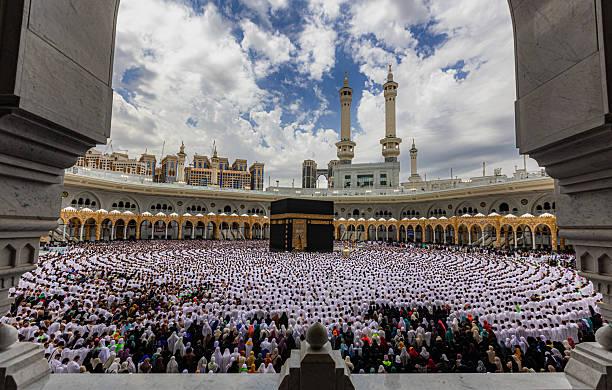
Tawaf is the circling of the Kaaba seven times, counterclockwise. You start and end at the Black Stone (Hajar al-Aswad). It's a packed space, especially during peak season, so don't panic if you can't get close to the Stone itself. Pointing toward it from a distance is completely valid. Most people find Tawaf deeply moving. The sight of thousands of people circling together, all in the same direction, is something you really can't prepare yourself for emotionally.
Sa'i
After Tawaf, you walk seven times between the hills of Safa and Marwah. This act commemorates Hajar (Hagar), who ran between these two points searching for water for her son Ismail. The distance is about 450 meters each way. It's done inside a long covered corridor now, and there are separate lanes for people using wheelchairs. Not physically demanding for most people, but wear comfortable shoes regardless.
Halq or Taqsir
The final step. Men shave their heads completely (Halq) or trim their hair significantly (Taqsir). Women trim a small amount from the ends of their hair. This marks the end of the Ihram state. Simple, quick, and honestly a relief after the intensity of the earlier rituals.
How to Prepare Before You Leave
Physical prep matters more than people expect. Umrah involves a lot of walking on hard marble floors, sometimes for hours. Get your feet used to it before you go. A few weeks of walking longer distances will help. Also get a basic health check done, especially if you're managing any chronic condition.
Spiritually, spend some time learning the duas (supplications) for each ritual. You don't need to memorize everything perfectly, but knowing what you're saying and why makes the experience feel real rather than mechanical. Read about the history of the Kaaba and the significance of each ritual. The Wikipedia overview of Umrah is a decent starting point for the basics, though you'll want to supplement it with proper Islamic sources.
Also, sort out your travel documents early. Visa processing for Saudi Arabia can take time, and some Umrah Travel Packages from New York include visa handling as part of the package. Confirm that before you book.
Arriving in Makkah for the First Time
Nothing really prepares you for the first glimpse of the Kaaba. Most people cry. Some feel completely overwhelmed and can't explain why. Don't fight it. This moment is the reason you came.
The crowds are real, though. Makkah is a busy city, and the Masjid al-Haram is one of the largest mosques in the world by capacity. Peak times like Ramadan or the last ten days of Dhul Hijjah see enormous numbers of pilgrims. If you're traveling outside peak season, it'll be more manageable. Either way, stay close to your group, keep your hotel address written down somewhere accessible, and don't rely entirely on your phone for navigation. Batteries die.
If you're booking through a travel company, Alfahd Travels is one option people use for Umrah Travel Packages from New York, and they handle a lot of the logistics that first-timers find confusing, including transportation between Madinah and Makkah if you're visiting both cities.
What to Pack for Umrah
Pack light. Seriously. You'll be moving around a lot, and heavy luggage makes everything harder.
-
Ihram garments for men (bring two sets in case one gets wet or soiled)
-
Comfortable, slip-on sandals or shoes you can remove quickly at mosque entrances
-
Small backpack or waist pouch for carrying essentials during rituals
-
Unscented soap, shampoo, and toiletries (perfume is not allowed during Ihram)
-
Any prescription medications with documentation from your doctor
-
Copies of your passport, visa, and travel itinerary stored separately from the originals
-
A small prayer book or dua booklet for reference during rituals
-
Reusable water bottle, since staying hydrated in Makkah's heat is non-negotiable
Leave the heavy clothes at home. Makkah is hot, and you won't need much beyond the basics.
Common Mistakes First-Timers Make
The most common one is not learning the rituals properly before arriving. People assume they'll figure it out on the ground, and then they panic mid-Tawaf. Don't do that to yourself. Spend a few hours in advance watching reliable tutorials or attending a pre-departure Umrah seminar if your travel package includes one.
Another big mistake is skipping the intention (niyyah) consciously. Some people enter Ihram mechanically without being mentally present for it. The intention is the foundation of the whole act.
Rushing is a problem too. People get caught up in trying to complete each step quickly, especially during busy periods. Sa'i in particular should be done calmly and with focus. Speed doesn't improve anything here.
And finally, many first-timers neglect the time in Madinah if they're visiting it as part of their trip. The Prophet's Mosque (Masjid an-Nabawi) is not part of Umrah itself, but visiting it is a deeply meaningful experience. Don't treat it as just a stopover. New York Umrah packages often include Madinah as part of the itinerary, so plan to spend real time there.
Frequently Asked Questions
How long does Umrah take to complete?
The rituals themselves, from entering Ihram to completing Halq, can take anywhere from three to six hours depending on crowd levels. Most people spread it across a day with rest in between. The full trip is typically seven to fourteen days.
Do I need to speak Arabic to perform Umrah?
No. The key duas and phrases are short and phonetically learnable. Most pilgrims use transliterated dua booklets. Knowing even a little Arabic helps, but it's not a requirement.
Is Umrah physically demanding?
It involves a fair amount of walking on hard floors. Most healthy adults handle it fine with the right footwear and pacing. Elderly pilgrims and those with mobility issues can use wheelchairs available at the Masjid al-Haram.
What's the best time of year to perform Umrah from New York?
Outside of Ramadan tends to be less crowded and more affordable. The winter months (December through February) are popular because the weather in Makkah is cooler and more comfortable for extended walking. That said, Ramadan has its own spiritual weight that many pilgrims find worth the crowds.
Can women perform Umrah without a Mahram?
Saudi authorities have updated their rules in recent years. Women over 45 can now travel in a group without a Mahram under certain conditions. Rules do change, so check the current Saudi government guidelines or confirm with your travel provider before booking.
Going for the first time is a big deal. Give yourself grace, prepare properly, and trust that the experience will meet you where you are spiritually. Most people come back changed in ways they didn't fully expect.

 English
 Arabic
 French
 Portuguese
 Deutsch
 Turkish
 Dutch
Dutch
 Italiano
 Russian
 Romaian
 Portuguese (Brazil)
 Greek
Greek