


Building a Healthier Path Toward Lasting Recovery
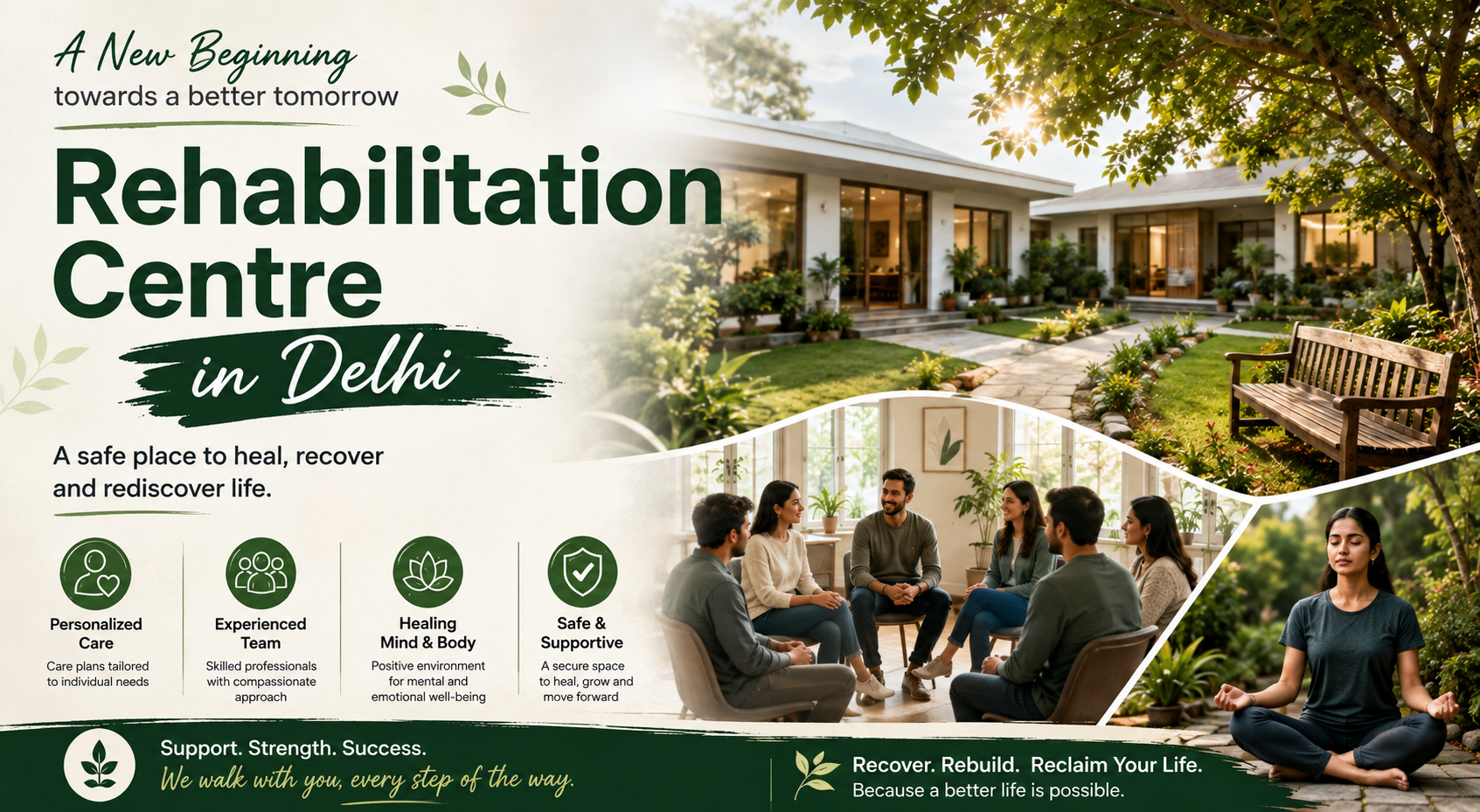
Nobody plans on becoming addicted to something. It usually starts small — a drink to deal with stress, a habit picked up from friends, something to numb a bad week that never really ended. And then one day, years have passed and the person barely recognizes their own life anymore.
Here's the part that actually matters though: recovery is real. Not the Bollywood version where someone cries once and never touches a bottle again. The slow, unglamorous, day-by-day kind. That's what this piece is about.
"Just have some willpower" isn't advice, it's a myth
People love saying this to someone struggling with addiction. If it worked, rehab centres wouldn't need to exist at all.
Addiction physically changes how the brain handles reward and stress. This isn't some soft, feel-good theory — it's fairly well established in how substance dependency is understood medically. The brain starts treating the substance the way it treats food or sleep. Necessary. Non-negotiable.
So no, telling someone to just stop doesn't really work. It's a bit like telling someone with a broken leg to just walk normally.
Step one is always the hardest — admitting it
Denial does a lot of heavy lifting in addiction. Families usually spot the signs way before the person does. Mood swings. Secrecy. Money disappearing. Slowly pulling away from everyone.
What actually helps isn't confrontation or lectures — weirdly, it's the opposite. A calm conversation, without blame attached to it, tends to open doors that shouting never does. People don't recover because they were shamed into a corner. They recover when they finally feel safe enough to say "I need help."
So what does real treatment look like?
It's not one big dramatic moment. It's a handful of smaller stages, stacked one after another.
Detox comes first. The body needs to clear the substance out, and this part can genuinely be dangerous without supervision. Trying to detox alone at home is a bit like performing your own dental surgery — technically an option, extremely unwise.
Then comes the harder part: therapy. Once the body settles, the mind still has work to do. Why did this start in the first place? Trauma, anxiety, loneliness, peer pressure — good counselling actually digs into that instead of just patching symptoms.
Group support helps more than people expect. There's something strange and comforting about sitting with people who simply get it, no explanations required. Shame keeps addiction alive, and shared experience quietly chips away at that shame.
And finally, rebuilding ordinary life skills. Routine, discipline, structure — things addiction slowly erodes without anyone noticing until they're gone.
This layered approach is exactly why a proper Nasha mukti kendra does more than just detox someone and send them home. The good ones treat the whole person.
Families are part of this too, not spectators
Addiction rarely stays contained to one person. It spreads through a household quietly — arguments, broken trust, exhaustion. And yet families often get pushed to the sidelines during treatment, like their role ends at dropping the patient off.
That's backwards. Family counselling rebuilds trust and resets boundaries that addiction has usually blurred beyond recognition. Recovery holds up better when the entire support system heals alongside the person, not after them.
Nobody talks about relapse honestly enough
Here's an uncomfortable truth: relapse doesn't always mean failure. Diabetes has flare-ups. Blood pressure spikes sometimes even with medication. Nobody calls those patients failures — so why does addiction get treated differently?
What actually matters is what happens right after a slip. Does the person have people around them who'll help pull them back, or are they left completely alone to spiral? That single difference decides a lot.
Picking the right place matters more than people think
Every facility isn't built the same, so a few honest questions are worth asking before choosing one.
Are the doctors actually verifiable and qualified? Is the plan personalized, or does everyone go through an identical fixed schedule regardless of their situation? Does support continue after discharge, or does it just... stop? And is the family genuinely involved, or kept at arm's length?
A nasha mukti kendra that's actually good at what it does won't dodge any of these questions. Transparency usually says more about a program than its brochure ever will.
Progress beats perfection, every single time
Recovery doesn't move in a straight line upward. It's messy. It has bad weeks mixed in with good months. A single sober week deserves just as much recognition as a sober year — maybe more, honestly, because early days are the hardest.
Most people who actually make it through share one thing: they stopped waiting to feel "ready" and just started, uncomfortable and unsure, one day at a time.
Where this leaves us
Recovery was never meant to be a solo mission, and willpower alone was never going to be enough. It needs medical care, honest conversations nobody wants to have, family involvement, and a frustrating amount of patience.
If someone in your life is struggling, skip the lecture. Help them find the right support instead, and stay patient through the slow parts. Healing doesn't happen overnight — but unlike addiction, it does happen, eventually, for real.

 English
 Arabic
 French
 Portuguese
 Deutsch
 Turkish
 Dutch
Dutch
 Italiano
 Russian
 Romaian
 Portuguese (Brazil)
 Greek
Greek