


How Teaching Asst Courses Prepare You to Support Diverse Learners
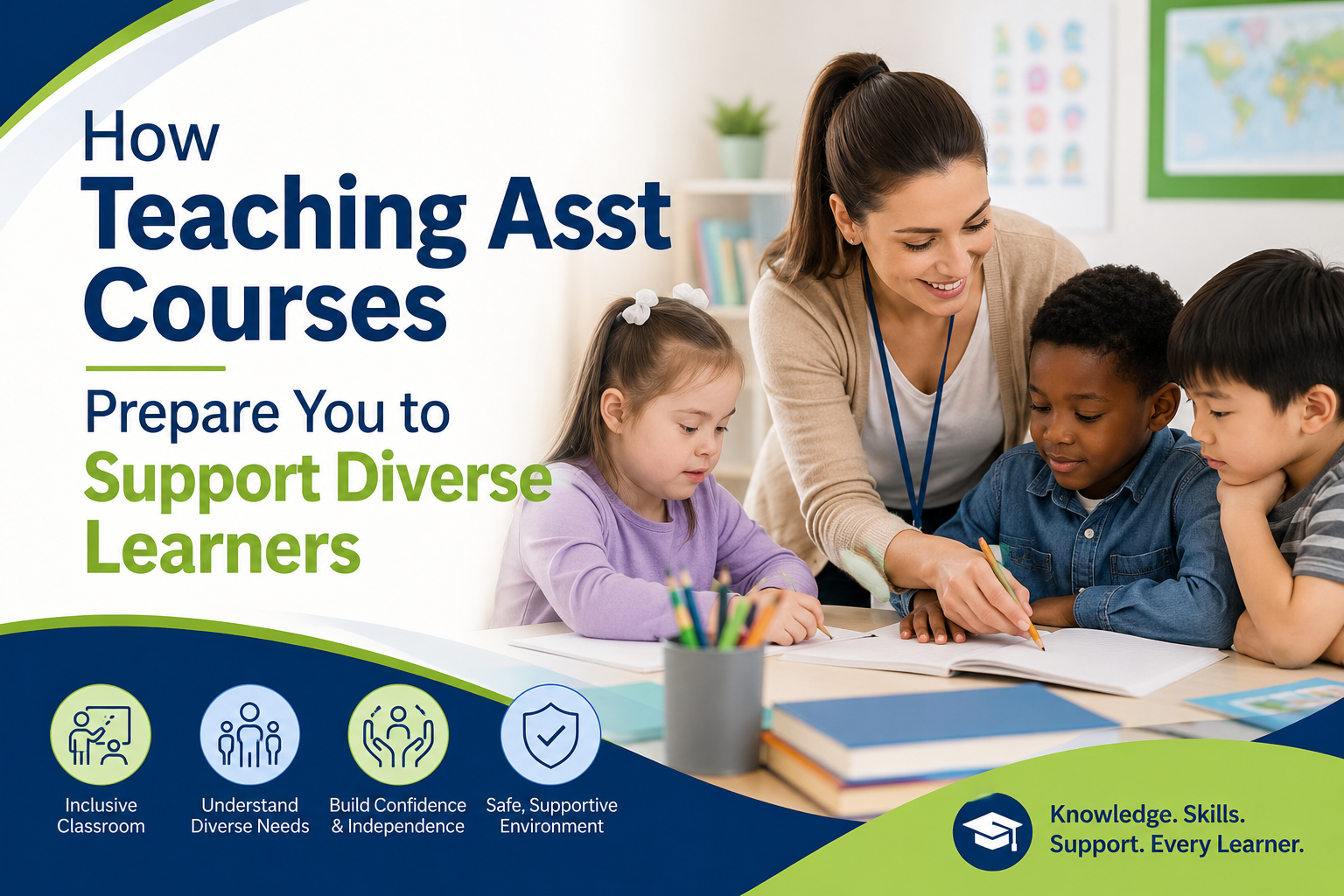
Modern classrooms bring together students with different abilities, backgrounds, learning preferences, personalities, and educational needs. For teaching assistants, understanding these differences is essential for creating an environment where every learner feels supported and encouraged. Effective classroom support goes beyond helping students complete their work; it involves recognising individual needs, adapting approaches, and working closely with teachers.
For people considering a career in education, teaching asst courses can provide valuable knowledge and practical skills for working with diverse groups of learners. These courses can introduce learners to classroom support strategies, communication techniques, safeguarding principles, and approaches for encouraging positive learning experiences.
Understanding Different Learning Needs
Every student learns differently. Some learners may understand concepts quickly through visual materials, while others may benefit from demonstrations, discussion, repetition, or hands-on activities. A teaching assistant needs to recognise these differences rather than expecting every student to respond to the same approach.
Training can help aspiring teaching assistants understand different learning styles and the importance of flexible support. Instead of simply giving students answers, they can learn how to encourage learners to develop independence and confidence.
This understanding is particularly important when supporting students who require additional assistance. A calm and patient approach can make a significant difference to how comfortable a learner feels in the classroom.
Developing Inclusive Communication Skills
Communication is one of the most important aspects of classroom support. Teaching assistants regularly communicate with pupils, teachers, parents, and other education professionals. Each interaction may require a different communication style.
Good training can help learners develop active listening skills, clear verbal communication, and appropriate non-verbal communication. These abilities can be particularly valuable when working with students who find traditional communication methods challenging.
For example, some learners may need instructions broken down into smaller steps, while others may benefit from visual prompts or additional processing time. Understanding these requirements allows classroom support to become more inclusive.
Supporting Students with Additional Needs
Diverse classrooms may include learners with special educational needs and disabilities. Teaching assistants can play an important role in helping these students participate in lessons and develop their skills.
Teaching asst courses can introduce learners to approaches for supporting pupils with different educational requirements. This may include understanding barriers to learning, encouraging participation, and working under the direction of qualified teachers and other specialists.
The goal is not to treat every learner differently simply because they have additional needs. Instead, effective support focuses on providing appropriate assistance while maintaining the learner's dignity, independence, and involvement in classroom activities.
Building Patience and Emotional Awareness
Supporting diverse learners requires patience. Some students may need more time to understand instructions, complete activities, or become comfortable participating in group discussions.
Teaching assistants can also encounter learners experiencing frustration, anxiety, low confidence, or difficulty managing emotions. Training can help future classroom professionals understand the importance of remaining calm and responding appropriately.
Emotional awareness can also help teaching assistants recognise when a learner may need additional support from a teacher or another appropriate professional. This makes the teaching assistant an important part of a wider support network.
Encouraging Positive Classroom Participation
Inclusion means ensuring that students have opportunities to participate in learning rather than simply being present in the classroom. Teaching assistants can encourage participation by helping learners overcome obstacles and become more confident.
Simple strategies can include asking open-ended questions, providing encouragement, offering structured choices, and helping students break larger tasks into manageable stages.
Positive reinforcement can also help learners recognise their own progress. When students understand that mistakes are part of learning, they may become more willing to attempt challenging activities.
Learning How to Adapt Classroom Activities
One lesson may not work equally well for every learner. Teaching assistants therefore need to understand how activities can be adapted while still meeting the objectives established by the teacher.
For example, a written activity could potentially be supported with diagrams, verbal explanations, examples, or practical demonstrations. The level of assistance can also be adjusted depending on the learner's confidence and ability.
Teaching asst courses can help learners understand the importance of adapting support without taking over the student's work. Maintaining the right balance allows pupils to receive assistance while continuing to develop independence.
Understanding the Importance of Safeguarding
Supporting diverse learners also involves understanding safeguarding responsibilities. Teaching assistants may spend considerable time with children and can sometimes notice changes in behaviour, mood, or participation.
Appropriate training can help learners understand professional boundaries, confidentiality, reporting procedures, and the importance of following their school's safeguarding policies. Teaching assistants should never attempt to investigate concerns themselves; instead, they should follow established procedures and report concerns to the appropriate person.
Safeguarding knowledge therefore forms an important part of responsible classroom practice.
Working as Part of an Education Team
Teaching assistants rarely work independently. They typically collaborate with teachers and other professionals to support students effectively.
Strong teamwork involves listening to instructions, sharing relevant observations appropriately, respecting professional responsibilities, and maintaining consistent approaches. When staff communicate effectively, learners are more likely to receive reliable and coordinated support.
For aspiring teaching assistants, understanding their role within the wider education team is just as important as developing individual classroom skills.
Developing Confidence Through Structured Training
Entering a classroom environment can initially feel challenging. Learners may be unsure about how to communicate with pupils, respond to different behaviours, or support students who need additional assistance.
Structured education and professional development can help build confidence by providing a foundation of knowledge before individuals take on classroom responsibilities. UK Open College, for example, provides education and training opportunities for learners looking to develop their professional knowledge.
However, training is only one part of becoming an effective teaching assistant. Real classroom experience, continued professional development, reflection, and guidance from experienced educators can all contribute to long-term growth.
Connecting with Further Learning Resources
Those interested in developing their classroom skills can also explore related educational resources. For example, the previous blog, “12 Skills You Can Gain from Teaching Assistant Courses Online,” offers useful insight into the wider skills that learners can develop through teaching assistant education. It provides a helpful starting point for readers who want to understand how training can contribute to professional development.
Combining information from resources like this with structured training can help aspiring classroom professionals build a clearer understanding of the role and its responsibilities.
Preparing for a More Inclusive Future
Diversity is an important part of modern education, and teaching assistants can contribute significantly to inclusive learning environments. Their ability to listen, adapt, encourage, and communicate can influence how supported students feel during their education.
The right preparation can give aspiring teaching assistants a stronger foundation for working with learners who have different abilities, experiences, and educational requirements. Teaching asst courses can therefore be a useful starting point for people who want to understand classroom support and develop the skills required to work effectively alongside teachers.
Ultimately, supporting diverse learners is about recognising individuality while helping every student access meaningful learning opportunities. With appropriate preparation, patience, and a commitment to continuous learning, teaching assistants can make a positive contribution to the classroom.
FAQs
1. What do teaching assistant courses typically cover?
They may cover classroom support, communication, safeguarding, behaviour management, learning support, and approaches for working with students with different educational needs.
2. Why is inclusive learning important?
Inclusive learning helps ensure that students have appropriate opportunities to participate, learn, communicate, and develop regardless of their individual abilities or circumstances.
3. Can training help with supporting students with additional needs?
Yes. Relevant training can introduce learners to common support approaches and help them understand how to work appropriately under the guidance of teachers and other education professionals.
4. What qualities make a good teaching assistant?
Patience, communication, empathy, organisation, adaptability, reliability, and the ability to work effectively as part of a team are valuable qualities.
5. Is practical experience important for teaching assistants?
Yes. Training provides foundational knowledge, while practical classroom experience can help individuals apply that knowledge, develop confidence, and understand the realities of supporting learners.

 English
 Arabic
 French
 Spanish
 Portuguese
 Turkish
 Dutch
Dutch
 Italiano
 Russian
 Romaian
 Portuguese (Brazil)
 Greek
Greek