


14K White Gold Chain: A Complete Guide to Choosing the Right Chain
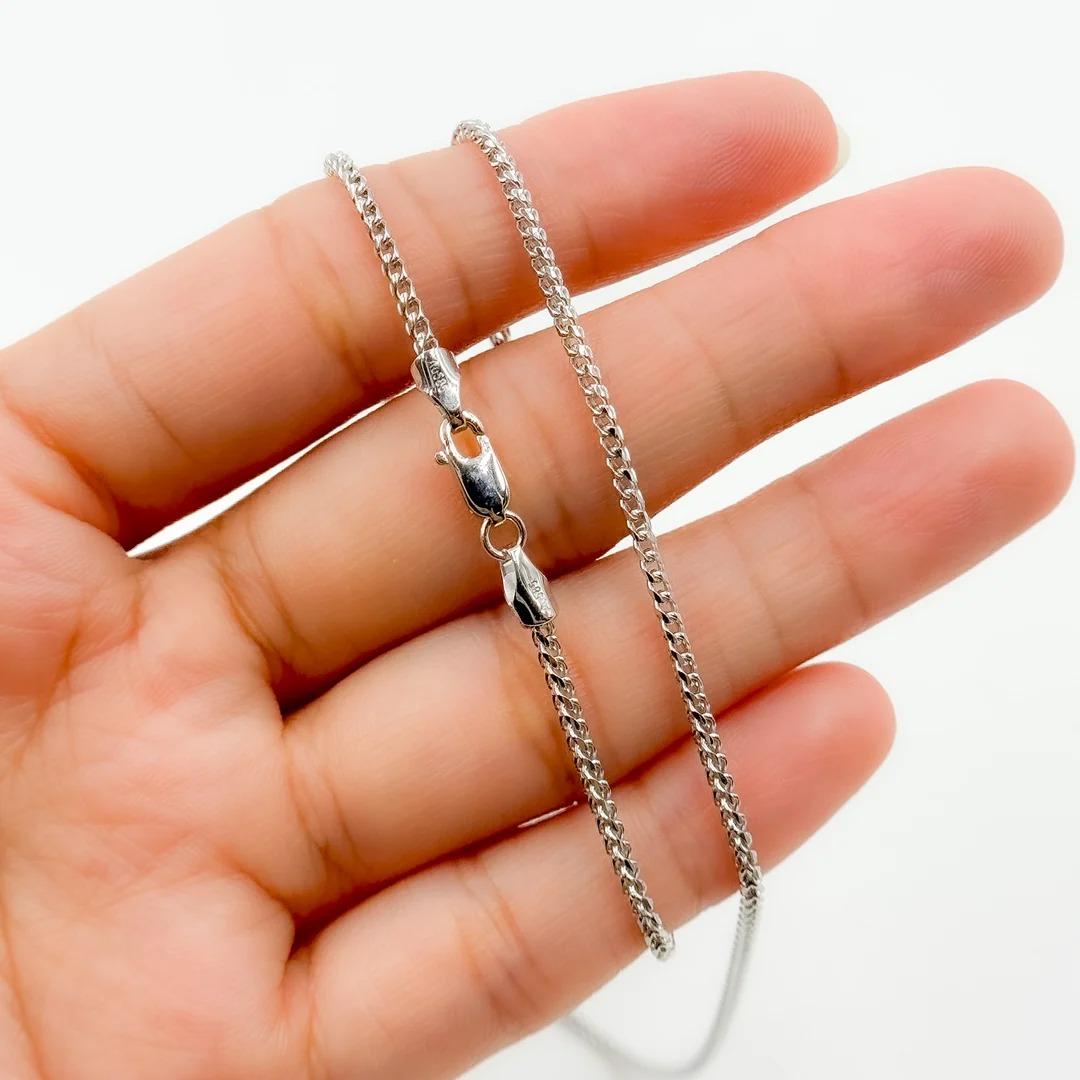
Choosing the right gold chain is more involved than comparing appearance and price. For jewelry designers, retailers, boutique owners, and wholesalers, a chain needs to satisfy several requirements at once: it should look refined, perform reliably in finished jewelry, suit the intended design, and make commercial sense when purchased in quantity.
A white gold chain 14k is particularly versatile because it combines the visual appeal of a cool-toned precious metal with a practical gold alloy composition. Its neutral appearance works well with gemstones, pendants, charms, and contemporary jewelry designs, making it useful across many product categories.
For businesses sourcing chains for production or resale, however, the karat marking is only one part of the decision. Construction, finish, dimensions, clasp quality, consistency between production batches, and the intended end use can all influence whether a particular chain is the right choice.
This guide explains the factors worth evaluating before placing a wholesale order and offers a practical framework for selecting chains that fit both design requirements and business expectations.
Understanding 14K White Gold
The term 14K means that the metal contains 14 parts pure gold out of 24, or approximately 58.5% gold by weight. The remaining portion consists of other metals used to create the desired physical characteristics and color.
Pure gold is naturally yellow and relatively soft. White gold is produced by alloying gold with other metals that give it a paler appearance and improve its hardness. The exact alloy recipe can vary between manufacturers, which is one reason two white gold pieces with the same karat designation may not look or perform exactly alike.
Many white gold pieces are also finished with rhodium plating. Rhodium provides a bright, reflective white surface and can make the jewelry appear more brilliant. Over time, friction and everyday wear may gradually reduce the plating, particularly on areas that experience frequent contact.
For jewelry businesses, this distinction matters. When assessing a supplier, it is useful to understand whether the quoted price refers to the underlying alloy, the finished surface treatment, or both.
Why 14K White Gold Works Well for Jewelry Businesses
A well-made white gold chain can serve several different purposes within a jewelry collection. Its cool color complements both colorful and neutral stones, while its relatively durable alloy makes it suitable for many everyday jewelry applications.
For designers, the metal provides a clean foundation for pendants and layered pieces. Retailers can use it in collections aimed at customers who prefer a modern alternative to traditional yellow gold. Wholesalers and manufacturers may also value its ability to fit multiple design directions without requiring a major change in the rest of a collection.
Another advantage is visual consistency. A neutral metal tone can help a collection feel cohesive even when individual pieces use different gemstones, pendants, or decorative elements.
That said, a chain should not be selected simply because it looks attractive in a product photograph. Its construction needs to match the job it is expected to perform.
Chain Construction Matters More Than Many Buyers Expect
Two chains can have similar dimensions while behaving very differently in use. The shape of individual links, how those links are connected, the wire thickness, and the manufacturing process all influence flexibility and strength.
Common chain styles include cable, curb, rope, box, snake, and wheat constructions. Each creates a different visual effect and mechanical behavior.
A cable-style chain, for example, can provide a simple and versatile foundation for pendants. A curb chain has interlocking links that can create a flatter profile, while rope-style construction offers a more textured and decorative appearance.
When sourcing for production, consider the following characteristics:
- Link construction: Examine whether links are properly closed and consistently formed.
- Wire or material thickness: A heavier construction may be more appropriate for larger pendants or statement pieces.
- Flexibility: A chain should move naturally without feeling excessively loose or rigid for its intended application.
- Clasp and end components: These small parts can have a major impact on the finished product's usability.
- Surface finish: Look for an even appearance without obvious scratches, rough areas, or inconsistent polishing.
The right combination depends on the final jewelry design rather than on chain style alone.
Choosing the Right Chain Thickness
Thickness is one of the most important decisions when developing a jewelry product. A delicate chain may look elegant with a small pendant but can appear visually unbalanced with a large or heavy centerpiece.
For minimal necklaces, lightweight constructions can create a subtle appearance. Medium-weight chains may offer a useful balance between visual presence and versatility, while heavier styles can provide the structure required for larger pendants or more substantial designs.
Designers should also think about how the chain will be worn. A necklace intended for occasional fashion use may have different requirements from a piece designed for frequent everyday wear.
Before purchasing in bulk, it is often sensible to test several thicknesses with the actual pendants, clasps, and components that will be used in production. A sample can reveal balance and movement issues that are difficult to identify from measurements alone.
Length Should Match the Intended Product
Length affects both appearance and merchandising. A chain designed for a close-to-the-neck look creates a different customer experience from a longer pendant necklace.
Businesses developing a collection should establish standard lengths where possible. Consistent sizing can make product photography, inventory management, packaging, and customer communication easier.
For wholesale sourcing, it is also important to confirm how the supplier measures chain length. Ask whether the stated measurement includes the clasp and end fittings or refers only to the chain itself.
Small differences can become significant when ordering large quantities, particularly if finished products are expected to follow precise specifications.
Matching the Chain to the Pendant
A chain should support the pendant rather than compete with it. This is especially important for jewelry businesses creating coordinated collections.
Consider the pendant's:
- Weight
- Size
- Shape
- Bail opening
- Surface finish
- Overall design style
A small geometric pendant may benefit from a fine, understated chain. A large gemstone or sculptural pendant may need a more substantial construction to maintain visual and functional balance.
The bail is particularly important. If the pendant's opening is too narrow for the selected chain, the components may not work together even when each item is high quality individually.
This is why sampling before bulk purchasing can save time and reduce avoidable production problems.
Evaluate the Finish and Color Carefully
White gold does not always have an identical visual tone from one manufacturer to another. Alloy composition, polishing, and surface treatment can influence whether the finished piece appears slightly warm, bright, or highly reflective.
For businesses building a recognizable collection, consistency matters. If chains are purchased from multiple sources, subtle differences may become noticeable when customers compare pieces side by side.
When evaluating samples, inspect them under more than one type of lighting. Bright showroom lighting can make a surface appear different from natural daylight or indoor lighting.
Also examine the chain closely for:
- Uneven polishing
- Visible tool marks
- Rough link edges
- Weak-looking joints
- Inconsistent plating
- Differences in color between components
A professional quality-control process should be applied before a chain becomes part of a larger production run.
What Wholesale Buyers Should Ask Suppliers
Price is important in B2B jewelry sourcing, but it should not be the only purchasing criterion. A low unit price can become expensive if the product produces high rejection rates, inconsistent finished pieces, or customer complaints.
Before committing to a supplier, ask clear questions about specifications and production standards. Confirm the metal composition, available lengths, thickness options, finishing process, minimum order quantities, sampling policies, and expected production tolerances.
It is also useful to understand how the supplier handles repeat orders. A business may receive a sample that looks excellent but later encounter variations between production batches. Reliable sourcing requires confidence that specifications can be maintained over time.
For businesses exploring professional jewelry-making materials and wholesale chain options, Jewels and Chains can be considered as part of the sourcing research process.
Quality Control for Bulk Orders
Bulk purchasing requires a different mindset from buying a single finished necklace. Even a small defect rate can become meaningful when multiplied across hundreds or thousands of units.
A practical quality-control process can begin with the first sample and continue through incoming inventory inspection. Businesses should establish measurable standards before placing an order.
For example, a retailer may specify acceptable dimensions, color consistency, clasp performance, and surface quality. A manufacturer may additionally check link strength, soldered areas, and compatibility with its own assembly process.
Random inspection of incoming batches can help identify problems early. For larger orders, businesses may also consider dividing inspections into several stages rather than waiting until all inventory has been assembled into finished products.
Documenting the approved sample is another useful practice. Keeping photographs, measurements, material specifications, and finish expectations creates a reference point for future orders.
Balancing Cost, Quality, and Margin
Wholesale jewelry sourcing always involves a balance between quality and cost. The cheapest chain is not necessarily the most profitable option, and the most expensive construction may not be necessary for every product.
Start with the intended retail position of the finished jewelry. A premium collection may justify more detailed construction, refined finishing, and heavier components. A fashion-oriented collection may prioritize design flexibility and competitive pricing.
It is also important to calculate the complete cost rather than focusing solely on the chain's unit price. Consider components, assembly, finishing, packaging, shipping, inspection, and potential replacement costs.
A chain that costs slightly more but reduces production issues may ultimately provide better value than a cheaper alternative with inconsistent quality.
Designing for Different Customer Preferences
The final customer should remain part of the sourcing decision. Jewelry businesses serve different markets, and chain selection should reflect the preferences of the intended buyer.
Minimalist customers may prefer delicate constructions that keep attention on a small pendant. Customers interested in statement jewelry may respond better to thicker, more visible chains. Boutique collections may benefit from distinctive textures or link patterns that help products stand apart from mass-market designs.
For retailers, it can be useful to offer several chain profiles within a collection rather than relying on one universal construction. This creates design variety while maintaining a consistent metal color and overall aesthetic.
The goal is not simply to offer more choices. It is to create choices that have a clear purpose within the collection.
Common Mistakes to Avoid
One of the most common sourcing mistakes is choosing a chain based solely on photographs. Images can communicate style, but they cannot reliably demonstrate flexibility, weight, link construction, or clasp performance.
Another mistake is ordering a large quantity before testing a sample in an actual production environment. A chain may look excellent by itself but become difficult to assemble once paired with a particular pendant or finding.
Ignoring consistency is another potential issue. Businesses should think beyond the first purchase and ask whether the same specifications can be maintained for future replenishment orders.
Finally, avoid treating the karat mark as a complete quality assessment. Karat identifies gold content, but it does not independently describe the craftsmanship, dimensions, construction quality, plating, or finishing standards of a chain.
A Practical Selection Process
For a small or medium-sized jewelry business, a straightforward selection process can make sourcing more efficient.
Begin by defining the finished product: its target customer, pendant size, expected retail position, desired appearance, and intended frequency of wear. Next, identify the chain construction and approximate dimensions that support those requirements.
Order samples from suitable suppliers and compare them under practical conditions. Test the chain with the actual components that will be used in production. Inspect the clasp, links, finish, flexibility, and overall balance.
Once a suitable option has been identified, document its specifications before placing a larger order. When the shipment arrives, compare the production batch against the approved sample and established quality standards.
This process may take more time at the beginning, but it can reduce costly mistakes later.
Conclusion
Selecting the right white gold chain is ultimately a matter of matching material, construction, dimensions, finish, and supplier reliability to the needs of a specific jewelry product.
For US jewelry designers, retailers, boutique owners, wholesalers, and manufacturers, a thoughtful sourcing process can improve both product quality and operational consistency. Rather than judging a chain by appearance or price alone, evaluate how it performs with the finished design and whether the supplier can maintain the required specifications across repeat orders.
The most reliable approach is simple: define the product requirements, compare suitable constructions, test samples, inspect quality, and document approved specifications before moving into bulk production.
A well-chosen chain becomes more than a component. It supports the design, improves the finished product, and helps a jewelry business maintain consistent standards as its collection grows.

 English
 Arabic
 French
 Spanish
 Portuguese
 Turkish
 Dutch
Dutch
 Italiano
 Russian
 Romaian
 Portuguese (Brazil)
 Greek
Greek