


How to Choose the Right Facial for Your Skin Type
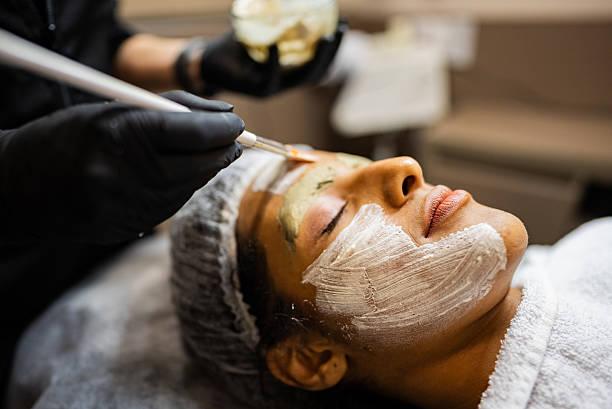
Walking into a spa menu full of facials can feel genuinely overwhelming. Classic European, hydrating, deep-cleansing, brightening... they all sound good, and none of the descriptions quite tell you which one is actually for you. Most people end up guessing, or they just pick whatever's cheapest, and then wonder why their skin didn't really change. If you're in the Northshore area and ready to stop guessing, booking the right Facial Service in Mandeville, LA starts with understanding what your skin actually needs. This guide breaks it all down in plain language so you can walk into your appointment knowing exactly what to ask for.
The Most Common Professional Facial Types, Explained Simply
There are five facial types you'll run into at most professional salons, and each one does something pretty different. Knowing what they are is half the battle.
A classic European facial is the baseline. It covers cleansing, light exfoliation, extractions, and a mask. Good for maintenance if your skin is relatively balanced. A hydrating facial focuses on pushing moisture back into the skin, usually with hyaluronic acid or similar ingredients, and it's great for that tight, flaky, uncomfortable feeling. A deep-cleansing facial goes after congestion, excess oil, and clogged pores, making it the obvious pick for oily or acne-prone skin. An anti-aging facial typically uses peptides, retinoids, or light chemical peels to address fine lines and loss of firmness. And a brightening facial targets uneven tone and dullness, often with vitamin C, kojic acid, or mild exfoliating acids that resurface the top layer of skin.
Pretty straightforward once you see them side by side. The confusion usually comes from menus that describe them with vague spa language instead of just saying what they do.
Figuring Out Your Skin Type First
You can't pick the right facial without knowing your skin type. Honestly, a lot of people have this wrong about themselves. Here's a quick way to check: wash your face with a gentle cleanser, pat dry, and wait about an hour without applying anything. Then look in a mirror.
-
Oily skin will look shiny all over, especially the forehead, nose, and chin.
-
Dry skin will feel tight, possibly flaky, with no shine at all.
-
Combination skin is shiny in the T-zone but normal or dry on the cheeks.
-
Sensitive skin tends to look red or feel irritated, sometimes with visible reactions to products.
-
Normal skin is balanced, comfortable, and not obviously oily or dry anywhere.
Oily and combination skin types do well with deep-cleansing or classic facials. Dry skin needs a hydrating facial more than anything else. Sensitive skin calls for a gentle approach, so look for salons that offer facials specifically designed for reactive skin, because the wrong ingredients can make things worse fast. Normal skin is the easiest case. Pretty much any facial works, so you can choose based on whatever concern you want to address.
Matching Your Facial to a Specific Skin Concern
Skin type tells you what your baseline is. But a lot of people also have a specific concern they're trying to fix. Those two things together should drive your decision.
If breakouts and acne are your main issue, a deep-cleansing facial is your best bet. It'll clear congestion, reduce bacteria on the skin's surface, and get at the gunk sitting in your pores. For hyperpigmentation, meaning dark spots, uneven patches, or post-acne marks, a brightening facial with exfoliating acids is the right call. According to the National Institute of Arthritis and Musculoskeletal and Skin Diseases, consistent professional treatment combined with good home care gives the best outcomes for stubborn skin concerns, which tracks with what most estheticians will tell you.
Fine lines and dullness respond well to anti-aging facials, especially ones that include mild chemical exfoliation. And if your skin just feels dehydrated, dull, and kind of lifeless, a hydrating facial will do more for you in a single session than two weeks of moisturizer at home. That's not an exaggeration. Professional-grade ingredients penetrate differently than what you buy at a drugstore.
What Actually Happens During a Professional Facial
Most people are a little nervous before their first professional facial because they don't know what to expect. It's actually pretty relaxed. Standard sessions run 60 minutes, though some go up to 90 depending on the add-ons.
The typical steps go like this: double cleanse to remove makeup and surface oil, then exfoliation either with a scrub or a mild acid peel. After that, the esthetician will do steam and extractions if your skin needs them. Steam softens the pores so extractions hurt less. Then comes a targeted mask based on your skin type, followed by serums, moisturizer, and SPF. If you're at a good Facial Salon in Mandeville, LA, the esthetician should be asking you questions before they even touch your face. That consultation step matters. It's how they customize the treatment instead of just running through a script.
If you're looking for a place that actually takes that consultation seriously, DeVibe Nail Lounge & Salon is one option people around the Northshore area use for this kind of personalized skin work.
Pre- and Post-Facial Tips That Actually Make a Difference
What you do before and after your appointment matters more than most people realize. Skip it and you're leaving results on the table.
Before your facial, stop using retinoids or strong exfoliating acids for at least 48 to 72 hours. Your skin will be more sensitive, and layering professional exfoliation on top of that can cause real irritation. Don't wax the area being treated within a few days before either. Show up with clean skin if you can, or at least let the salon know what products you've been using.
After your facial, skip makeup for the rest of the day. Your pores are open, your skin is freshly treated, and caking product on top of that undoes some of what was just done. Avoid heavy sweating, saunas, or anything that'll overheat your face for about 24 hours. Use a gentle moisturizer and SPF the next morning. And don't pick at anything. If extractions were done, some small bumps or redness is normal for a day or two. Leave it alone.
For ongoing skin health, most estheticians recommend booking every four to six weeks. That lines up roughly with your skin's natural cell turnover cycle, so each session builds on the last instead of just being a one-off treat.
Frequently Asked Questions
How do I know if I need a hydrating facial or a deep-cleansing facial?
Check how your skin feels an hour after washing it. Tight and dry means you need hydration. Oily and congested means you need deep cleansing. Some people with combination skin actually benefit from both in rotation, so ask your esthetician about alternating between the two.
Is a professional facial worth it if I already have a good skincare routine at home?
Yes, honestly. Home products work on the surface, but professional treatments use higher-concentration ingredients and tools that get deeper. Think of it like brushing your teeth at home versus going to the dentist. Both matter. One doesn't replace the other.
Can I get a facial if my skin is currently breaking out?
Usually yes, but tell your esthetician before they start. Active breakouts change which ingredients and techniques are safe to use. A deep-cleansing facial done correctly can actually help clear an active breakout, but the wrong approach can spread bacteria and make things worse.
How long before a special event should I book a facial?
At least one week out, ideally two. Some people experience mild redness or purging after extractions. You don't want that showing up the day before a wedding or big event. Two weeks gives your skin time to settle and actually glow.
What's the difference between a Facial Salon in Mandeville, LA and a medical spa?
A facial salon uses cosmetic-grade treatments done by licensed estheticians. A medical spa offers procedures like laser resurfacing or injectable treatments, usually overseen by a medical professional. For regular skin maintenance, a facial salon is the right starting point. Medical spas make more sense for clinical concerns that cosmetic facials can't address.
The right facial isn't a mystery. Once you know your skin type and your main concern, the choice gets a lot clearer, and you stop wasting money on treatments that weren't built for your skin in the first place. That's worth figuring out before your next appointment, not after. And if you're ready to book a Facial Service in Mandeville, LA with someone who'll actually talk through your skin before picking up a brush, that's where the real results start.

 English
 Arabic
 French
 Spanish
 Portuguese
 Deutsch
 Turkish
 Italiano
 Russian
 Romaian
 Portuguese (Brazil)
 Greek
Greek