


How to Create a Crypto Token: A Step-by-Step Guide
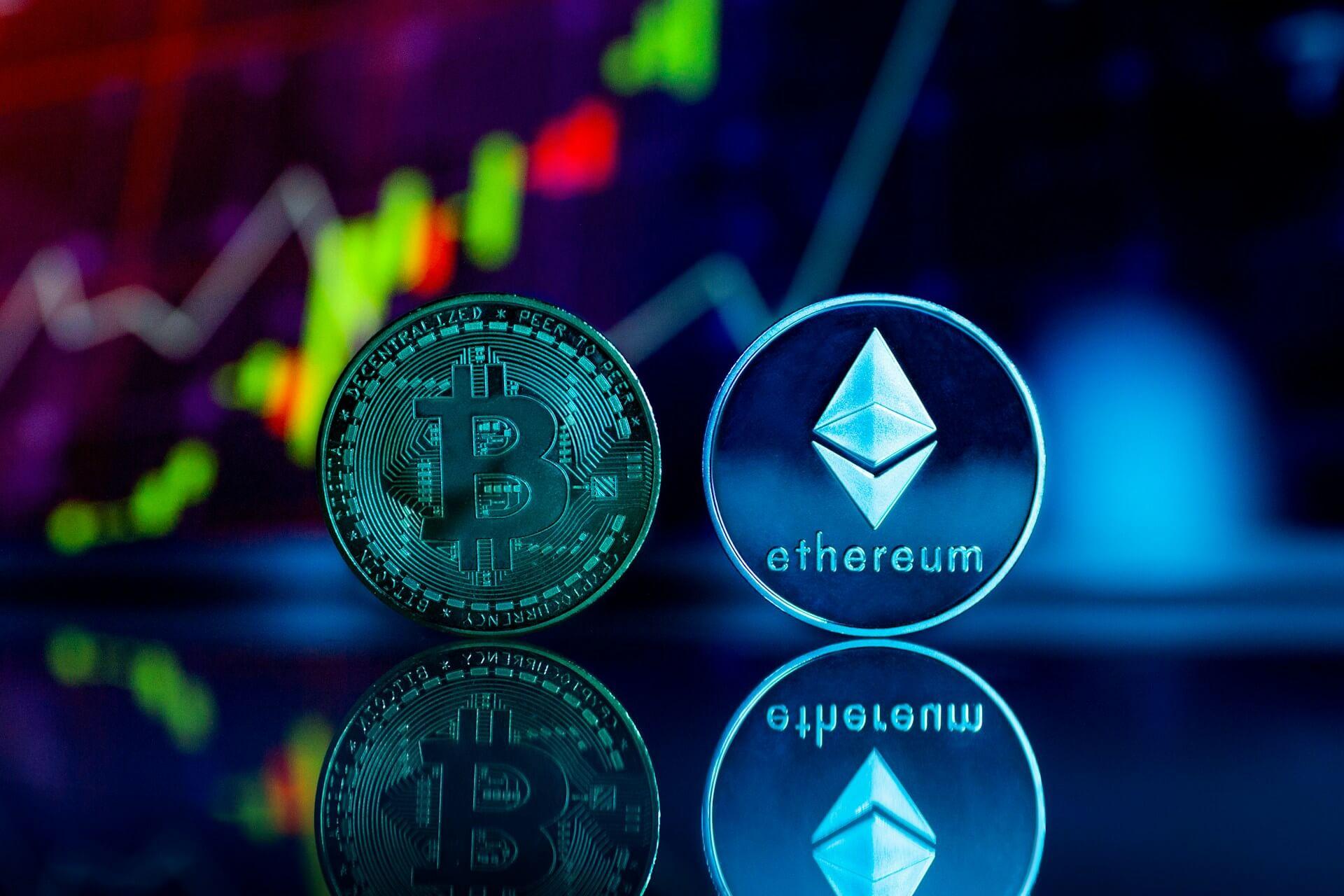
Creating a crypto token has become more accessible with the availability of established blockchain networks, token standards, smart contract frameworks, and development tools. Businesses can create tokens for a wide range of use cases, including payments, decentralized applications, governance, rewards, loyalty programs, DeFi platforms, and Web3 ecosystems.
However, creating a token involves more than deploying a smart contract. You need to define the token's purpose, choose the right blockchain, design its tokenomics, develop and test the smart contract, conduct security checks, and plan how the token will be launched and managed.
This guide explains how to create a crypto token step by step, from defining the concept to deploying the token and building its ecosystem.
What Is a Crypto Token?
A crypto token is a digital asset created on an existing blockchain network. Unlike a cryptocurrency coin, which typically operates on its own blockchain, a token uses the infrastructure of an existing blockchain.
For example:
-
ERC-20 tokens operate on Ethereum and compatible networks.
-
BEP-20 tokens operate on BNB Smart Chain.
-
SPL tokens operate on Solana.
Crypto tokens can represent different types of value or utility depending on their design and intended purpose.
Common types include:
-
Utility tokens
-
Governance tokens
-
Stablecoins
-
Security tokens
-
Payment tokens
-
Reward tokens
-
Asset-backed tokens
The token's functionality, distribution, and legal treatment depend on its purpose and implementation.
How to Create a Crypto Token?
The process of creating a crypto token generally involves the following steps:
Define the token purpose → Choose a blockchain → Select a token standard → Design tokenomics → Develop the smart contract → Test the token → Audit the smart contract → Deploy the token → Verify the contract → Distribute and launch the token
Let's look at each step in detail.
Step 1: Define the Purpose of Your Token
Before writing any code, determine why you need a token.
A clearly defined purpose helps determine the token's functionality, supply, distribution model, and blockchain requirements.
For example, a token could be designed to:
-
Provide access to a platform
-
Enable payments
-
Reward users
-
Facilitate governance
-
Represent ownership or rights
-
Incentivize community participation
-
Support DeFi mechanisms
-
Enable in-app transactions
Avoid creating a token without a clear utility or economic purpose. The token should provide a meaningful function within the ecosystem.
Step 2: Choose the Right Blockchain
The next step is selecting a blockchain on which to create your token.
The blockchain you choose can affect transaction fees, speed, scalability, wallet support, development complexity, and ecosystem access.
Popular options include:
Ethereum
Ethereum is one of the most established blockchain ecosystems for token development. Its large developer community, wallet support, infrastructure, and established token standards make it a popular choice for many projects.
BNB Smart Chain
BNB Smart Chain supports EVM-compatible smart contracts and is commonly used for applications requiring relatively low transaction costs and access to a large Web3 ecosystem.
Solana
Solana uses its own token architecture and is known for high throughput and low transaction costs. It can be suitable for projects requiring frequent transactions.
Polygon
Polygon provides Ethereum-compatible infrastructure with lower transaction costs and is used by many Web3 applications and token projects.
Avalanche
Avalanche supports smart contracts and multiple blockchain-based applications, making it another option for token and decentralized application development.
When selecting a blockchain, evaluate:
-
Transaction fees
-
Network performance
-
Scalability
-
Security
-
Developer ecosystem
-
Wallet compatibility
-
Exchange support
-
Smart contract capabilities
-
Community adoption
Step 3: Select a Token Standard
After choosing the blockchain, select the appropriate token standard.
The standard determines how your token behaves and interacts with wallets, applications, exchanges, and other blockchain infrastructure.
Some common standards include:
| Blockchain | Common Token Standard |
|---|---|
| Ethereum | ERC-20 |
| BNB Smart Chain | BEP-20 |
| Solana | SPL |
| Ethereum | ERC-721 |
| Ethereum | ERC-1155 |
For a fungible cryptocurrency token, ERC-20, BEP-20, and SPL are among the commonly used standards.
For NFTs, standards such as ERC-721 and ERC-1155 are commonly used on Ethereum-compatible networks.
Step 4: Design Your Tokenomics
Tokenomics describes the economic structure of your token.
This is one of the most important stages of token development because poorly designed tokenomics can negatively affect adoption, liquidity, and long-term sustainability.
Define parameters such as:
-
Token name
-
Token symbol
-
Total supply
-
Initial circulating supply
-
Decimal precision
-
Token allocation
-
Vesting schedules
-
Token distribution
-
Token utility
-
Burning mechanism
-
Minting mechanism
-
Staking rewards
-
Governance rights
For example, a project may allocate tokens across categories such as:
-
Community rewards
-
Ecosystem development
-
Team
-
Advisors
-
Investors
-
Marketing
-
Treasury
-
Liquidity
The allocation should support the project's long-term goals while avoiding excessive concentration of supply.
Step 5: Design the Token's Features
The required token features depend on the project's business model.
A basic token may only need standard functions such as transferring and approving tokens.
More advanced projects may require functionality such as:
-
Minting
-
Burning
-
Pausing
-
Blacklisting
-
Whitelisting
-
Transaction limits
-
Vesting
-
Staking
-
Governance
-
Transfer restrictions
-
Tax or fee mechanisms
Every additional feature increases smart contract complexity and can introduce additional security considerations. Only implement features that have a clear business purpose.
Step 6: Develop the Smart Contract
The smart contract defines how the token behaves on the blockchain.
For Ethereum-compatible networks, Solidity is commonly used for smart contract development. Solana token projects may use different development tools and languages depending on the architecture.
A basic token smart contract may define functions for:
-
Token transfers
-
Balance tracking
-
Supply management
-
Approvals
-
Allowances
-
Minting
-
Burning
Developers should follow established standards and secure development practices rather than creating unnecessary custom functionality.
For example, an ERC-20 token contract typically implements functions such as:
transfer()
approve()
transferFrom()
balanceOf()
totalSupply()
The exact implementation depends on the project's requirements.
Step 7: Test the Token
Never deploy a new token directly to the mainnet without sufficient testing.
Start by deploying the smart contract to a testnet or controlled development environment.
Test scenarios such as:
-
Token transfers
-
Token approvals
-
Minting
-
Burning
-
Access controls
-
Supply limits
-
Wallet interactions
-
Contract ownership
-
Edge cases
-
Failure conditions
Automated unit tests and integration tests can help identify issues before deployment.
Step 8: Conduct a Smart Contract Audit
Smart contract security should be treated as a critical part of crypto token development.
An audit can help identify vulnerabilities, logic errors, access-control problems, and other security weaknesses.
A security review may examine:
-
Smart contract logic
-
Access control
-
Token supply mechanisms
-
Mint and burn functions
-
Upgradeability
-
Transfer restrictions
-
Reentrancy risks
-
Arithmetic issues
-
Privileged functions
For projects handling substantial value, consider an independent third-party smart contract audit before the public launch.
Step 9: Deploy the Token
Once the smart contract has been thoroughly tested and reviewed, it can be deployed to the selected blockchain's mainnet.
The deployment process generally involves:
-
Preparing the production smart contract
-
Configuring the required parameters
-
Funding the deployment wallet with the network's native asset
-
Deploying the contract
-
Confirming the transaction
-
Recording the contract address
-
Verifying the contract source code
The deployed contract address becomes the primary on-chain identifier for your token.
Step 10: Verify the Smart Contract
After deployment, verify the contract on the relevant blockchain explorer when supported.
For example, Ethereum-based tokens can be verified through Etherscan or compatible explorers.
Verification allows users and developers to inspect the published contract source code and compare it with the deployed bytecode.
It also makes it easier for wallets, explorers, analytics platforms, and other Web3 applications to interact with the token.
Step 11: Set Up Wallet and Infrastructure Support
Your token needs an ecosystem in which users can hold, transfer, and interact with it.
Depending on your project, this may include:
-
Web3 wallet integration
-
Custodial wallet infrastructure
-
Token portfolio tracking
-
Payment integration
-
Blockchain node or RPC provider
-
Transaction monitoring
-
Token analytics
Popular wallets may support established token standards automatically, while custom functionality may require additional integration.
Step 12: Plan Token Distribution
After creating the token, determine how it will reach users.
Distribution methods may include:
-
Token sales
-
Airdrops
-
Community rewards
-
Staking rewards
-
Ecosystem incentives
-
Liquidity provision
-
Partnerships
-
Platform rewards
The distribution strategy should align with the project's tokenomics and applicable legal requirements.
If the token is offered to investors or the public, obtain appropriate legal and regulatory advice before launch.
Step 13: Provide Liquidity and Market Access
If you want your token to be tradable, you need to consider liquidity and market access.
Depending on your strategy, this may involve:
-
Decentralized exchanges
-
Centralized exchanges
-
Liquidity pools
-
Market makers
-
Trading pairs
For decentralized exchanges, liquidity pools can allow users to trade the token against another asset.
For centralized exchanges, the project generally needs to meet the exchange's listing requirements.
Step 14: Build the Token Ecosystem
Launching the token is only the beginning. Long-term success depends on creating genuine utility and adoption.
Depending on the project, the ecosystem may include:
-
Web3 applications
-
DeFi products
-
Staking platforms
-
Governance systems
-
Payment solutions
-
NFT marketplaces
-
Gaming applications
-
Loyalty programs
-
Community platforms
A token should have a clear role within its ecosystem rather than existing solely as a tradable asset.
Crypto Token Development Architecture
A production-ready token ecosystem can contain several interconnected components:
User Interface
↓
Web / Mobile Application
↓
Backend & API Layer
↓
Token Management Layer
↓
Smart Contracts
↓
Blockchain Network
Additional services can connect to the backend, including:
-
Wallet infrastructure
-
KYC/AML providers
-
Payment gateways
-
Exchange APIs
-
Blockchain nodes
-
Analytics platforms
-
Security monitoring systems
The architecture will vary depending on whether you are creating a simple utility token or a complete token-powered ecosystem.
Technology Stack for Crypto Token Development
A typical technology stack may include:
| Component | Technologies |
|---|---|
| Frontend | React.js, Next.js, Angular |
| Backend | Node.js, Java, Python, Go |
| Smart Contracts | Solidity, Rust |
| Blockchain | Ethereum, BNB Chain, Polygon, Solana, Avalanche |
| Database | PostgreSQL, MongoDB |
| APIs | REST, WebSocket |
| Wallets | MetaMask, WalletConnect, Custodial Wallets |
| Infrastructure | AWS, Google Cloud, Azure |
| Security | MFA, encryption, RBAC, smart contract audits |
The final technology stack should be selected according to the blockchain, token standard, application requirements, security model, and expected transaction volume.
How Much Does It Cost to Create a Crypto Token?
The cost of creating a crypto token can vary significantly depending on its complexity.
A basic token with standard functionality may require a relatively straightforward development process, while a token ecosystem with custom smart contracts, wallets, staking, governance, exchange integrations, and a dedicated application will require considerably more development.
Major cost factors include:
-
Blockchain selection
-
Token standard
-
Smart contract complexity
-
Custom features
-
Tokenomics design
-
Security audits
-
Wallet integration
-
Backend development
-
Web or mobile application
-
Exchange integration
-
Compliance requirements
-
Ongoing maintenance
Therefore, it is better to estimate the project based on its complete scope rather than the token creation process alone.
Common Mistakes to Avoid When Creating a Crypto Token
Creating a Token Without a Clear Utility
A token should solve a specific problem or provide a meaningful function within an ecosystem.
Poor Tokenomics
Excessive supply concentration, unrealistic rewards, and unsustainable incentives can negatively affect a project's long-term viability.
Skipping Security Audits
Even a small smart contract vulnerability can result in significant losses when the contract manages valuable assets.
Choosing a Blockchain Without Research
The cheapest or fastest blockchain is not automatically the best option. Consider the complete ecosystem, including wallets, developers, liquidity, users, and infrastructure.
Overcomplicating the Smart Contract
Unnecessary features increase complexity and the potential attack surface. Keep the contract as simple as possible while meeting the project's requirements.
Ignoring Legal and Regulatory Requirements
The legal treatment of a token can depend on its characteristics, utility, distribution method, and jurisdiction. Obtain professional legal advice before launching or selling tokens.
How to Choose a Crypto Token Development Company?
If you don't have an in-house blockchain development team, working with an experienced crypto token development company can simplify the development process.
Evaluate potential providers based on:
-
Blockchain development experience
-
Smart contract expertise
-
Token development portfolio
-
Security practices
-
Tokenomics support
-
Multi-chain capabilities
-
Wallet and exchange integrations
-
Development methodology
-
Post-launch support
-
Client reviews and case studies
A reliable development partner should be able to explain not only how to create the token but also how to build the supporting ecosystem around it.
Why Choose Softean for Crypto Token Development?
Softean provides crypto token development services for businesses and Web3 projects seeking to create secure, customized tokens on leading blockchain networks.
Our team can support the complete token development lifecycle, including token design, tokenomics implementation, smart contract development, testing, security integration, wallet connectivity, token deployment, and ecosystem development.
Whether you need an ERC-20 token, BEP-20 token, Solana token, utility token, governance token, stablecoin, or a custom token solution, Softean can help you develop the technology around your specific business requirements.
Planning to create your own crypto token? Contact Softean to discuss your token concept, blockchain requirements, and development needs.

 English
 Arabic
 French
 Portuguese
 Deutsch
 Turkish
 Dutch
Dutch
 Italiano
 Russian
 Romaian
 Portuguese (Brazil)
 Greek
Greek