


Can Children Need Root Canal Treatment?
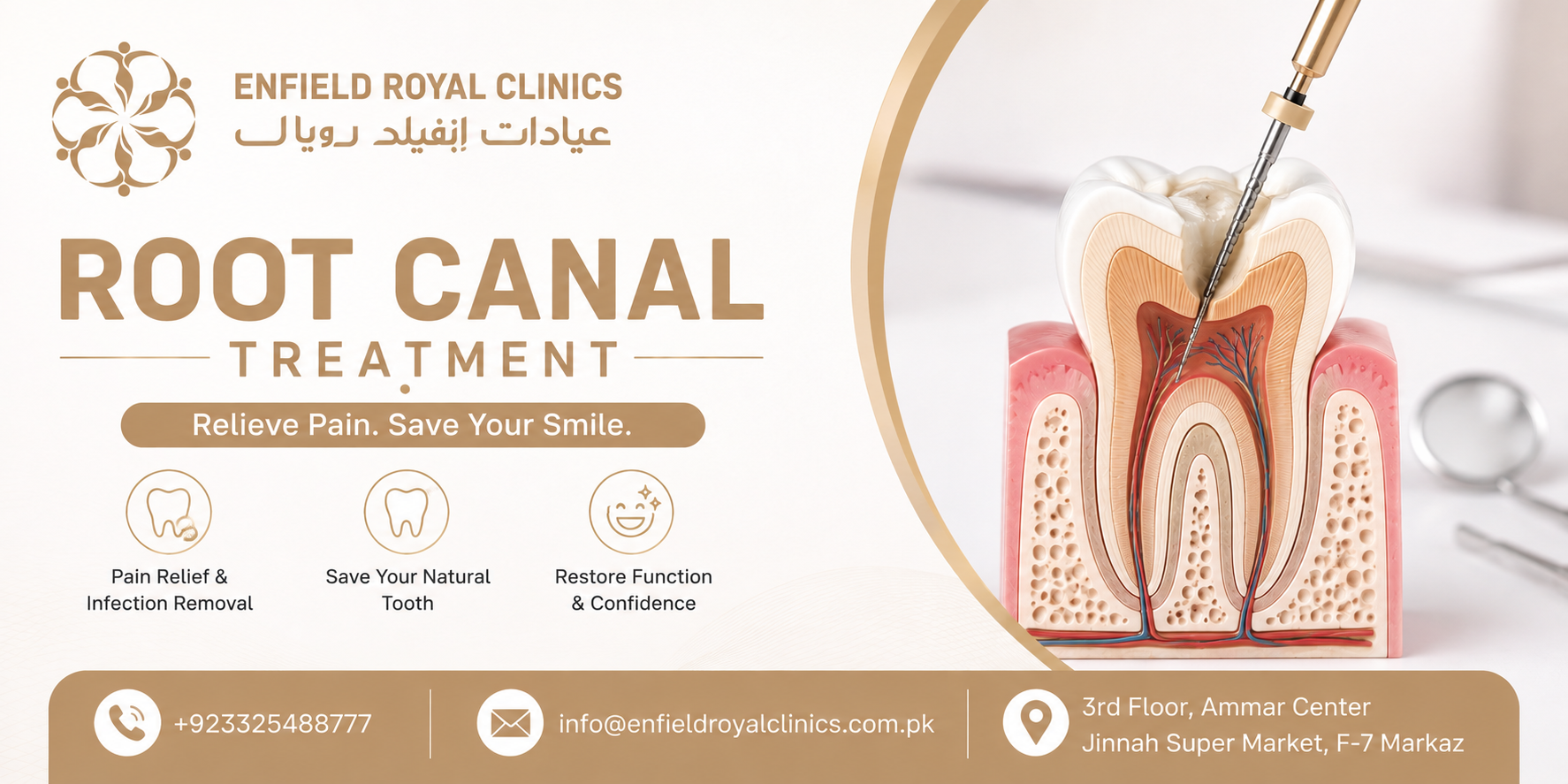
Many parents assume that root canal procedures are only necessary for adults, but children can also develop tooth problems that affect the pulp inside a tooth. Deep cavities, dental injuries, or infections can sometimes damage the inner tissues of a baby tooth or permanent tooth.
When this happens, Root Canal Treatment or an age-appropriate form of pulp therapy may be recommended to control infection and preserve the affected tooth. Treating the problem early can help prevent pain, swelling, and complications while supporting normal dental development.
Why Might a Child Need Treatment?
Children's teeth are vulnerable to cavities because their oral hygiene habits are still developing. If tooth decay is not treated early, bacteria can travel through the outer layers and eventually reach the pulp.
Injuries can also cause internal damage. A fall, sports accident, or blow to the mouth may affect the pulp even when the tooth does not appear severely broken.
When the pulp becomes badly inflamed or infected, leaving the tooth untreated can cause pain and may allow infection to spread into the surrounding tissues.
Can Baby Teeth Need a Root Canal?
Yes. Primary teeth can require pulp treatment when decay or injury has reached the inner tissues.
Parents sometimes assume that a baby tooth does not need treatment because it will eventually fall out. However, removing a primary tooth too early can create problems. Baby teeth help children chew, speak, and maintain space for developing permanent teeth.
Depending on the condition and age of the child, a pediatric dentist may recommend a procedure such as a pulpotomy or pulpectomy instead of simply extracting the tooth.
What About Permanent Teeth in Children?
Children can also develop infections in their permanent teeth. If a permanent tooth has deep decay, trauma, or severe pulp inflammation, conventional root canal therapy may be required to preserve it.
Saving a permanent tooth is particularly important because it is expected to remain functional for many years. Early treatment can help protect the tooth and reduce the risk of complications.
The dentist will choose the procedure based on the child's age, stage of tooth development, condition of the pulp, and structure of the tooth.
What Are the Common Warning Signs?
Parents should pay attention to symptoms that may indicate a deeper dental problem. These can include persistent toothache, sensitivity to hot or cold, pain while chewing, gum swelling, facial swelling, or an unusual bump near the tooth.
A child may not always describe dental pain clearly. Some children simply avoid chewing on one side, become irritable during meals, or wake at night.
Tooth discoloration following an injury can also be a warning sign. Even if the child has little pain, a discolored or damaged tooth should be examined.
Can Tooth Decay Reach the Pulp Quickly?
Yes. Children's teeth generally have thinner hard structures than adult teeth, so decay can progress toward the pulp more quickly.
A small cavity may initially cause no noticeable symptoms. Without treatment, bacteria can eventually reach the pulp and cause inflammation or infection.
Regular pediatric dental visits are therefore important. Early cavities can often be treated with simpler procedures before more extensive pulp therapy becomes necessary.
How Is the Problem Diagnosed?
The dentist will usually begin by discussing the child's symptoms and examining the affected tooth. Dental X-rays may be taken to assess the depth of decay, root development, and surrounding bone.
The dentist may also check how the tooth responds to pressure or other clinical tests, depending on the child's age and ability to cooperate.
The diagnosis helps determine whether the pulp is healthy, mildly inflamed, severely damaged, or infected. This information guides the choice of treatment.
Is Treatment Painful for Children?
Modern pediatric dental care focuses strongly on comfort. Local anesthesia is commonly used to numb the tooth and surrounding tissues before treatment.
Children may feel pressure or vibration during the procedure, but the goal is to prevent significant pain. A dentist experienced in treating children can also use age-appropriate communication techniques to explain what will happen.
Parents should tell the dental team if their child is anxious or has had a difficult dental experience in the past.
What Happens During Treatment?
The exact procedure depends on whether the tooth is primary or permanent and how much of the pulp is affected.
The dentist first numbs the area and isolates the tooth. The damaged or infected pulp tissue is then removed. The inside of the tooth is cleaned and treated before the canals or pulp chamber are sealed with an appropriate material.
A filling, stainless steel crown, or another restoration may then be used to protect the tooth, depending on the type and condition of the tooth.
Why Is Saving a Baby Tooth Important?
Primary teeth play several important roles before permanent teeth emerge. They help children chew food and develop clear speech while also maintaining space for the permanent teeth underneath.
If a baby tooth is lost too early, nearby teeth can move into the empty space. This can interfere with the normal path of eruption of a permanent tooth.
Keeping a primary tooth until it is naturally ready to fall out can therefore support healthy dental development when preservation is appropriate.
Can Treatment Protect Permanent Teeth?
Treating an infected baby tooth can help protect the developing permanent tooth beneath it. A serious infection in a primary tooth can sometimes affect the surrounding tissues and the developing successor.
Early treatment may therefore benefit not only the affected tooth but also the child's future oral health.
For permanent teeth, preserving the tooth can help maintain normal chewing and prevent the need for later replacement.
What Happens If the Tooth Is Not Treated?
An untreated infection can continue developing. It may lead to an abscess, swelling, persistent pain, or infection of surrounding tissues.
In severe cases, extraction may become necessary. Removing a baby tooth too early may require additional planning to maintain the space needed for the permanent tooth.
For permanent teeth, untreated infection can result in substantial structural damage and may reduce the possibility of saving the tooth.
How Can Parents Prevent These Problems?
Good daily oral care is the first line of prevention. Children should brush twice a day with fluoride toothpaste and clean between their teeth when appropriate for their age.
Parents should limit frequent sugary snacks and drinks and encourage water between meals. Regular pediatric dental visits can identify early cavities before they become deep.
Children who participate in contact sports should also use a properly fitted mouthguard to reduce the risk of dental injuries.
How Should a Treated Tooth Be Protected?
After treatment, the tooth may need a strong restoration to protect it from further decay or fracture. Primary molars are often restored with a crown because they need to withstand chewing forces until they naturally fall out.
Parents should continue helping children maintain good oral hygiene and attend scheduled dental visits.
If pain, swelling, a loose restoration, or another unusual symptom develops, the tooth should be examined promptly.
Final Thoughts
Yes, children can need Root Canal Treatment or other forms of pulp therapy when deep decay, trauma, or infection affects the inner tissues of a tooth. Treatment may be appropriate for both baby teeth and permanent teeth, depending on the child's dental development and the condition of the affected tooth.
Preserving a primary tooth can help maintain chewing ability, speech, and space for permanent teeth, while treating a permanent tooth can help protect it for long-term use.
Parents should not wait for severe pain before seeking dental care. Regular checkups, good oral hygiene, and early treatment can help prevent minor cavities or injuries from developing into more serious dental problems.
For more information visit Enfield royal clinic in islamabad

 English
 Arabic
 French
 Spanish
 Portuguese
 Deutsch
 Turkish
 Dutch
Dutch
 Italiano
 Russian
 Romaian
 Portuguese (Brazil)