


Mini Skein Yarn: Understanding Its Characteristics, Uses, and Care
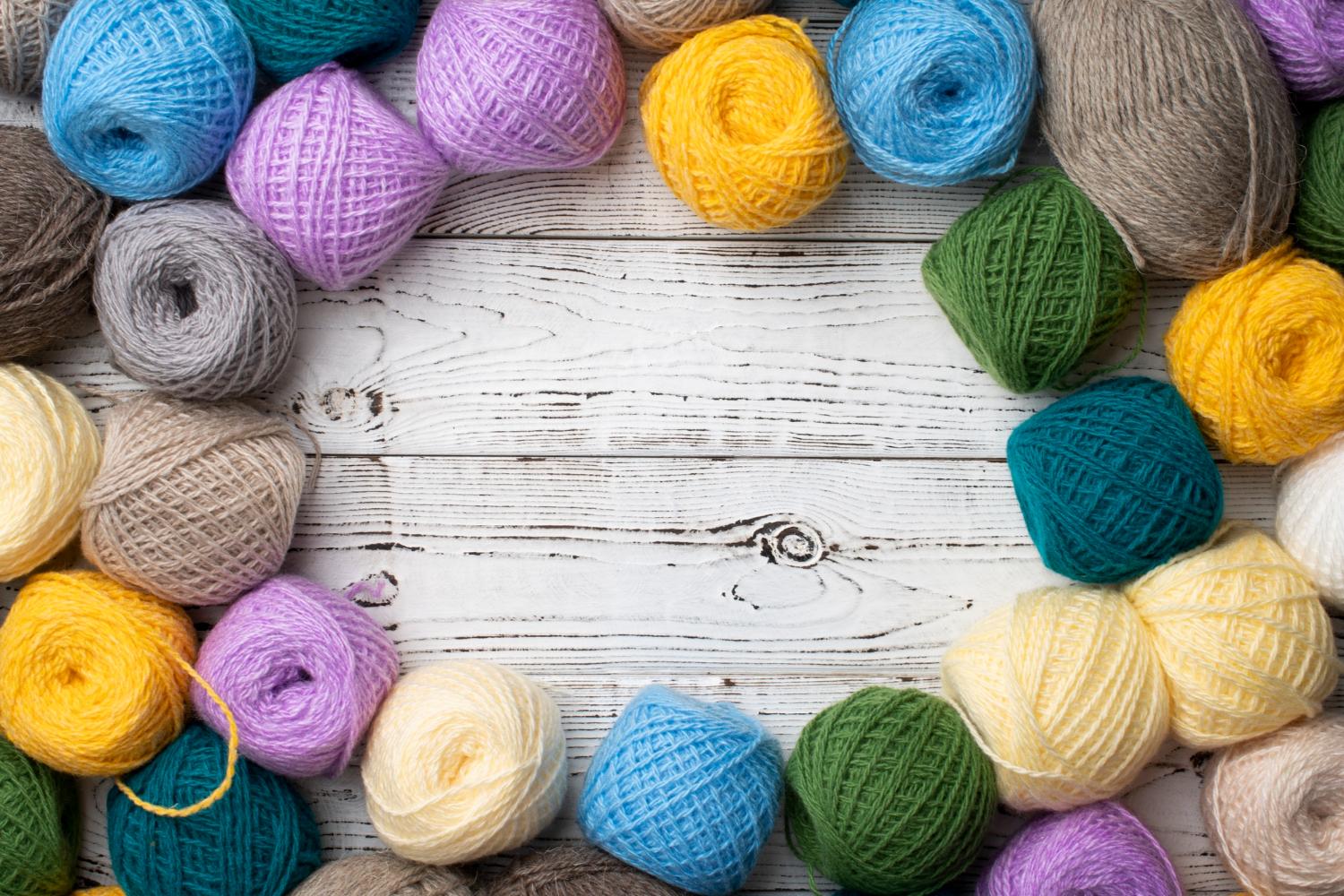
Mini skein yarn is a small quantity of yarn wound into a compact skein. It is commonly associated with knitting, crochet, weaving, and other fiber crafts where smaller amounts of yarn are useful. Unlike full-size skeins, mini skein yarn is typically available in shorter lengths and smaller weights, making it suitable for projects that require several colors or limited quantities of individual shades.
The smaller format of mini skein yarn allows fiber artists to work with multiple colors without purchasing large quantities of each one. Its characteristics can vary according to the fiber, yarn weight, construction, and dyeing method.
What Is Mini Skein Yarn?
Mini skein yarn is yarn that has been prepared in a smaller skein size than conventional yarn quantities. There is no single universal weight or yardage that defines every mini skein. Sizes can vary depending on the yarn manufacturer, fiber type, and intended use.
A mini skein may contain enough yarn for a small section of a larger project or for an individual small project. Because the quantity is limited, it is often used where only a small amount of a particular color is required.
Mini skeins can be made from wool, cotton, alpaca, acrylic, silk, blends, and other fibers. Their physical properties depend largely on the fiber and yarn construction rather than the skein size itself.
Why Mini Skein Yarn Is Used
One of the main characteristics of mini skein yarn is its usefulness for projects involving multiple colors. A project may require only a small amount of each shade, making full-size skeins unnecessary.
Mini skeins can also be used to introduce color changes into knitted or crocheted pieces. Small quantities of contrasting or complementary colors can be combined to create stripes, geometric patterns, borders, motifs, and other decorative elements.
The format is also useful for projects where color variety is more important than having a large quantity of any single shade.
Common Uses for Mini Skein Yarn
Mini skein yarn can be incorporated into many types of fiber projects. Small accessories are among the common applications because they may require relatively little yarn.
In knitting, mini skeins can be used for socks, hats, scarves, shawls, mittens, and colorwork patterns. In crochet, they can be used for motifs, granny squares, borders, small blankets, and decorative details.
Mini skeins are also useful for weaving and other textile crafts. Because the amount of yarn in each skein is limited, the crafter can plan individual sections according to available yardage.
The suitability of a mini skein depends on its weight and fiber characteristics as well as the requirements of the project.
Mini Skein Yarn and Colorwork
Colorwork is an area where mini skein yarn can be particularly practical. A pattern may require several colors but only a small amount of each one. Using smaller skeins can make it easier to organize those individual colors.
Different mini skeins may contain contrasting, coordinating, or gradually changing shades. When combined, they can create visual transitions within a project.
The way colors appear depends on the stitch pattern and construction of the finished textile. A color that appears prominent in a skein may occupy only a small area in the completed project.
Yarn Weight and Fiber Content
Mini skein yarn is available in different yarn weights. Lace, fingering, sport, worsted, and other weights may all be produced in small skeins.
Yarn weight affects the thickness of the finished fabric and the amount of yarn needed. A heavier yarn generally produces a thicker fabric, while lighter yarns can create finer and more flexible textiles.
Fiber content is another important consideration. Wool can provide warmth and elasticity, while cotton tends to have different drape and absorbency characteristics. Synthetic fibers can offer different levels of durability and care requirements.
When several mini skeins are combined in one project, using yarns with similar weights and compatible fiber characteristics can help maintain a consistent fabric structure.
Managing Limited Yardage
The limited quantity of mini skein yarn means that yardage needs to be considered carefully. A pattern may require more yarn than a single mini skein contains, particularly when used for larger sections.
Before beginning a project, the required yardage can be compared with the amount available in each skein. This can help prevent a color from running out before the intended section is complete.
For projects involving repeated colors, keeping track of how much yarn is used in each section can also help with planning.
Storing Mini Skein Yarn
Because mini skeins are small, they can be stored separately by color, fiber, or yarn weight. Keeping labels with each skein can help identify its fiber content, weight, and approximate yardage.
Proper storage can help prevent tangling, dust accumulation, and unnecessary exposure to moisture. Wool and other natural fibers should be stored in clean, dry conditions.
Organizing mini skeins by color can also make it easier to identify combinations for future projects.
Understanding Mini Skein Yarn
Mini skein yarn is defined primarily by its compact quantity rather than by a particular fiber or yarn weight. Its smaller format makes it suitable for projects requiring limited amounts of individual colors.
Its uses range from small accessories and decorative details to multicolor knitting, crochet, and weaving projects. Fiber content, yarn weight, yardage, and color characteristics all influence how a mini skein performs.
For fiber artists, understanding the quantity and physical properties of each mini skein is important when planning a project. The smaller format provides a way to work with multiple colors while allowing each skein to remain a manageable amount of yarn.

 English
 Arabic
 French
 Portuguese
 Deutsch
 Turkish
 Dutch
Dutch
 Italiano
 Russian
 Romaian
 Portuguese (Brazil)
 Greek
Greek