


What Happens When You Skip Oil Changes
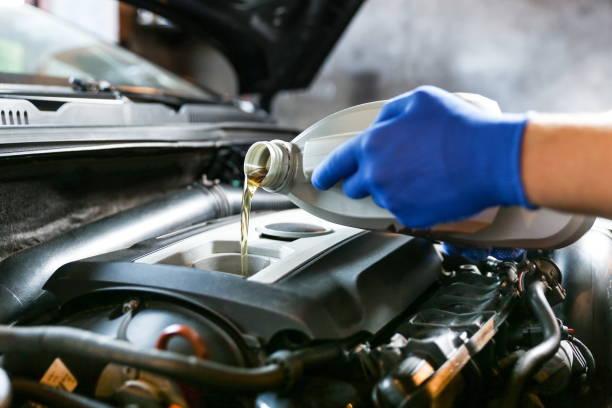
Most drivers know they're supposed to get their oil changed. But life gets busy, the sticker on the windshield gets ignored, and suddenly it's been eight months since the last one. Sound familiar? The truth is, skipping an oil change isn't just a minor slip. It's one of the fastest ways to turn a cheap maintenance task into a repair bill that'll make your stomach drop. If you've been putting it off, here's what's actually happening inside your engine right now. Getting Oil Change Services in Iowa City IA on a regular schedule is genuinely one of the cheapest things you can do to keep a car alive for the long haul.
How Engine Oil Works and Why It Wears Out
Fresh oil does a few jobs at once. It lubricates metal parts that are moving against each other at high speed, carries heat away from the engine, and picks up tiny bits of dirt and metal shavings as it circulates. Clean oil is usually a golden-amber color. It flows easily and does its job without complaint.
But oil doesn't stay clean. Over time and miles, it absorbs contaminants, breaks down from heat cycles, and loses viscosity. The additives that make it work well get depleted. What's left is thicker, darker, and a lot less effective at protecting anything. By the time your oil looks like black tar on the dipstick, it's already been doing a poor job for a while.
Most manufacturers recommend changing oil somewhere between 5,000 and 10,000 miles depending on the type of oil and the vehicle. But that's under normal conditions. Your actual driving habits might be wearing oil out faster than you think. According to the Consumer Reports guide on oil change intervals, factors like short trips and stop-and-go driving can degrade oil significantly faster than highway miles.
Driving Habits That Speed Up the Damage
Short trips are rough on oil. If your engine never fully warms up, moisture and fuel byproducts don't burn off properly, and they contaminate the oil faster. Lots of cold starts, stop-and-go traffic, towing a trailer, or driving in extreme heat all count as "severe" conditions by most manufacturers' definitions. So if you're doing a lot of city driving in Iowa City and going by the standard interval, you might already be overdue.
Towing is especially hard on oil because the engine works harder and runs hotter for longer stretches. That heat accelerates the chemical breakdown of the oil faster than normal driving ever would. A few towing trips can cut an oil's effective life pretty noticeably.
The Stages of Engine Damage From Old Oil
This is where things get ugly. It doesn't happen all at once. There are stages, and each one is worse than the last.
First comes sludge. Old, contaminated oil thickens into a gel-like deposit that sticks to engine parts and clogs oil passages. Once sludge builds up, oil can't flow freely, which means some parts stop getting lubricated at all. You'll often see this show up as a noisy engine or a sluggish response on startup.
After that, friction increases sharply. Metal parts that should be gliding past each other start grinding instead. Wear accelerates fast at this point, and it's not reversible. The damage is done even if you change the oil now. Then comes overheating, because oil also helps manage engine temperature. Without proper lubrication and heat transfer, temperatures climb, gaskets blow, and things start warping in ways that are expensive to fix.
Left long enough, you end up with complete engine seizure. The engine locks up. That's not a repair, that's a replacement, and a used engine swap can run anywhere from $3,000 to $8,000 or more depending on the vehicle.
Warning Signs Your Engine Is Already Struggling
Your car will usually try to tell you something's wrong before it gives up completely. The oil pressure warning light is the most obvious one. Don't ignore it. That light means oil isn't reaching parts of the engine that need it right now, not eventually.
A knocking or ticking sound from the engine is another red flag. That noise is often metal hitting metal without enough oil between them. Dark exhaust smoke, especially thick and oily-looking, can mean oil is burning off inside the engine. And if your engine is running noticeably hotter than usual, or you're smelling something burning under the hood, old oil is a likely suspect.
If you're seeing any of these signs, getting Auto Oil Change Services in Iowa City IA right away is a start, but you may also need a mechanic to check for deeper damage. Catching it early still beats catching it late.
What Oil Changes Actually Cost vs. What Skipping Them Costs
A routine oil change runs roughly $40 to $100 depending on whether you use conventional or synthetic oil. That's it. Done in 20 minutes. Compare that to what happens when you skip them.
Sludge removal and engine cleaning? A few hundred dollars. Replacing a blown head gasket from overheating? Easily $1,000 to $2,000. A full engine rebuild or replacement? That's where you're looking at $3,000 to $10,000, sometimes more on newer vehicles. And that's not counting the time your car is in the shop or what you spend on a rental.
Harris Boyz Auto Repair Shop is one option people in Iowa City use for this kind of routine maintenance. Staying on schedule with Auto Oil Change Services in Iowa City IA is the kind of thing that sounds boring until you're staring at a four-figure repair bill and realizing it was completely avoidable.
The math isn't complicated. Ten oil changes over two years might cost you $600 total. One engine replacement costs more than most people spend on oil changes in a decade. Skipping them to save money is one of those decisions that feels fine right up until it really, really isn't.
Oil Change Services in Iowa City IA aren't glamorous. Nobody gets excited about scheduling them. But they're genuinely one of the highest-return maintenance tasks you can do for a vehicle, and the cost of skipping them almost always far outweighs whatever time or money you thought you were saving.
Frequently Asked Questions
How long can you really go without an oil change before serious damage starts?
It depends on the oil type and your driving conditions, but most engines start showing wear from neglected oil somewhere between 7,500 and 15,000 miles past the recommended interval. Severe driving conditions can move that timeline up fast. Don't count on the high end if you're doing a lot of short trips or city driving.
Can you reverse engine damage caused by old oil?
Not really, no. Some minor sludge buildup can be flushed out if caught early. But physical wear on engine parts, scored cylinder walls, or warped components from overheating can't be undone. You can stop the damage from getting worse, but what's already worn is worn.
Is synthetic oil worth the extra cost?
Usually, yes. Synthetic oil lasts longer, holds up better under heat, and flows more easily in cold weather. It typically costs $20 to $40 more per change, but it can extend your interval and provides better protection overall. For most modern engines, it's the right call.
What does the oil pressure warning light actually mean?
It means the oil pressure in your engine has dropped below a safe level. That can happen because you're low on oil, because the oil is too thick and degraded to flow properly, or because there's a mechanical problem with the oil pump. Either way, pull over and don't drive on it. Driving with the oil pressure light on can destroy an engine in minutes.
How do I know what oil change interval is right for my car?
Check your owner's manual first. It'll list both a standard interval and a severe-duty interval. If you do a lot of short trips, tow things, or drive in heavy traffic regularly, go by the severe interval. When in doubt, ask a mechanic you trust to look at your actual driving habits and make a recommendation.

 English
 Arabic
 French
 Spanish
 Portuguese
 Deutsch
 Turkish
 Italiano
 Russian
 Romaian
 Portuguese (Brazil)
 Greek
Greek