


DIY Lawn Work vs. Hiring a Pro: What to Know
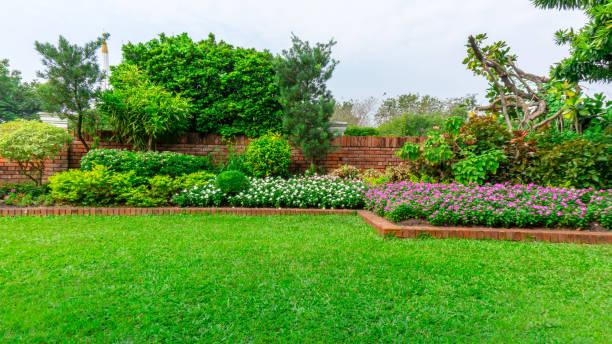
Most homeowners start with good intentions. A free Saturday, a YouTube video, and suddenly you're convinced you can regrade the backyard yourself. Sometimes that works out. Often it doesn't, and you end up spending more money fixing the mess than you would have paid a professional from day one. If you're trying to decide whether to tackle your outdoor projects yourself or hand them off, this article lays it out straight, no sales pitch. Getting Landscaping Services in Roy UT might make more sense than you think, or it might not. It really depends on what you're trying to do, what tools you own, and how honest you're willing to be about your own limits.
Tasks Most Homeowners Can Handle Just Fine
Not everything needs a contractor. Routine mowing, basic edging, raking leaves, and planting annuals in established beds are all things an average person can do without much risk. They take time, sure, but the margin for serious error is low. You're not going to ruin your yard by planting petunias in the wrong spot.
Mulching is another one. Spreading a few yards of mulch around your beds is straightforward physical work. Same goes for overseeding a patchy lawn in early fall. These are maintenance tasks, and they're well within reach for most people who are reasonably fit and have a free afternoon or two. The key word there is "maintenance." Once you move past maintenance into actual construction or correction, the calculus changes fast.
Where DIY Goes Wrong (More Often Than People Expect)
Drainage work is probably the most common place homeowners get into trouble. It looks simple. Dig a trench, lay some pipe, done. But grading and drainage correction require an understanding of slope, soil composition, and water flow that most people don't have. Get it wrong and you're not just back to square one. You've potentially made the drainage problem worse, or directed water toward your foundation.
Retaining walls are another trap. Small decorative walls under 18 inches? Usually fine. Anything taller, especially walls holding back significant soil weight, needs proper footing, drainage behind the wall, and sometimes engineering. I've seen plenty of stacked-block walls tip over after one wet winter because the builder skipped the gravel backfill. Not a cheap fix. Hardscape installation, including patios and walkways, also tends to go sideways when homeowners underestimate base prep. A patio that settles unevenly in year two is frustrating and expensive to redo.
According to Utah State University Extension's guidance on landscape grading and drainage, improper grading around homes is one of the leading causes of water intrusion and foundation damage in residential properties. That's not a scare tactic. That's just what the data shows.
The Real Cost of DIY (It's Usually Higher Than You Think)
People price DIY by materials alone. That's the mistake. You also need to factor in equipment rental, which adds up fast, and your own time at a realistic hourly value. A full weekend spent doing work a crew could finish in four hours isn't free. It costs you 16 hours of your life, plus the rental fees, plus the fuel, plus the materials, plus whatever you have to buy to fix the parts you got wrong the first time.
Equipment is a big one. Plate compactors, sod cutters, skid steers, trenchers. Renting these for a day or two can run $200 to $600 depending on the machine. And if you've never run a skid steer before, expect a learning curve that eats into your rental window. Professionals own their equipment and know how to use it efficiently. That efficiency is part of what you're paying for when you hire a Landscape Contractor in Roy UT.
There's also the materials piece. Pros buy materials at contractor pricing. Homeowners pay retail. On a mid-sized project, that gap alone can be $300 to $800. So the "I'll save money doing it myself" math often looks a lot less appealing when you actually run the numbers.
When Hiring a Pro Adds Clear, Measurable Value
Some projects just have a higher floor of skill required. Full lawn renovation, major grading, french drain installation, retaining structures, irrigation system design, and any hardscape work larger than a small patio all fall into this category. These aren't jobs where a beginner with good intentions can muddle through. The results depend heavily on experience, and bad results can affect your property's drainage, structural integrity, or resale value.
If you're in northern Utah and looking for reliable help, Jonathan and Sons Landscaping and construction is one option people in the area use for this kind of work. They handle both residential landscape builds and larger construction-adjacent projects, which matters when your job crosses between softscape and hardscape.
Licensed contractors also carry liability insurance and, for certain work, required permits. That protects you. If a DIY drainage project damages a neighboring property or a retaining wall fails and hurts someone, the liability question gets uncomfortable fast. A licensed Landscape Contractor in Roy UT takes that risk off your plate.
How to Honestly Assess Your Own Situation
Before you decide, ask yourself a few direct questions. Do you own the tools, or are you renting? Have you done similar work before, or is this your first time? Do you have the physical capacity for heavy labor in summer heat? And maybe most importantly: what happens if it goes wrong? Can you afford to fix it, or would a failed attempt leave the project stalled and the yard a mess for months?
Be realistic about your schedule too. Contractors can often complete a project in a day or two that would stretch across three or four weekends for a homeowner working alone. That's not a knock on DIY. It's just the reality of professional labor and specialized equipment working together.
Landscaping Services in Roy UT cover a wide enough range that most contractors will give you a free estimate. Get one before you commit to doing it yourself. Sometimes the quote is lower than you expected, and the decision basically makes itself.
Red Flags That a DIY Project Has Gone Sideways
Here's the thing: people often know something's wrong and keep going anyway. Don't do that. If you're seeing water pool in new places after you've done drainage work, stop. If your retaining wall is already leaning and you haven't finished it, stop. If you've rented a machine and you're not sure how to use it safely, stop.
Calling a pro mid-project is almost always cheaper than finishing a flawed project and then paying to redo it. Contractors can often salvage partial work. But the longer you wait, the more they have to undo before they can fix it. Honest self-assessment mid-project is just as important as the assessment you did at the beginning.
-
Water pooling in new areas after drainage work
-
Retaining wall leaning or showing cracks before completion
-
Patio base shifting or settling unevenly during installation
-
Sod dying in large patches within the first two weeks
-
Grading that's directing water toward the house instead of away
Any of these showing up? That's your cue to call someone before the situation gets more expensive.
Frequently Asked Questions
What outdoor projects are safe for most homeowners to DIY?
Routine maintenance like mowing, edging, mulching, planting flowers, and overseeding are all reasonable DIY tasks. They're low-risk and don't require specialized equipment or training. Most people can handle them without much trouble.
How do I know if a project is too complex for DIY?
A good rule of thumb: if the project involves changing how water moves across your property, building structures that hold back soil, or requires heavy equipment you've never operated, it's probably worth getting a professional quote first. Complexity and consequence are the two things to weigh.
Is DIY lawn and garden work actually cheaper?
Not always. Once you factor in equipment rental, retail material pricing, and the value of your time, the savings shrink fast. On larger projects, DIY can actually cost more than hiring a pro, especially if something goes wrong and needs to be redone.
What should I look for in a landscape contractor?
Look for a licensed and insured contractor with verifiable local references. Ask whether they pull permits for work that requires them. A contractor who skips permits to save time is passing that legal risk on to you as the property owner.
When is it okay to call a pro mid-project instead of finishing myself?
Basically any time you notice the results aren't matching what you intended and you're not sure how to correct it. Stopping early and calling someone is almost always the better financial decision. The longer a flawed project runs, the more it costs to fix.
The best approach is usually honest and simple: know what you're good at, price out the alternative before you commit, and don't let pride push you into a project that's genuinely over your head. Sometimes DIY is the right call. Sometimes it isn't. The goal is to know the difference before you start digging.

 English
 Arabic
 French
 Spanish
 Portuguese
 Deutsch
 Turkish
 Italiano
 Russian
 Romaian
 Portuguese (Brazil)
 Greek
Greek