


Vaccinations as a Shield Against Preventable Health Risks
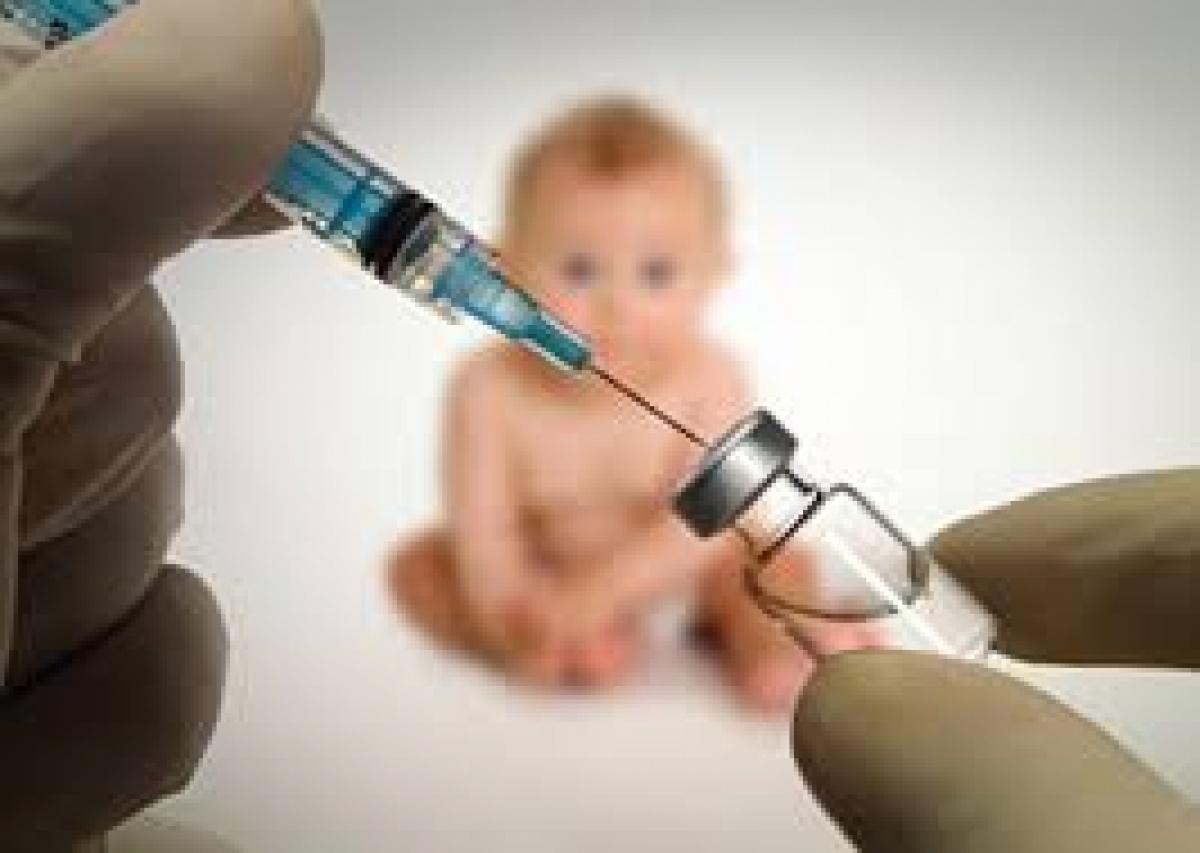
Protecting health before illness begins is one of the smartest medical strategies, and vaccinations play a central role in this prevention. At First Care Family Clinic, patients of all ages are educated about how Vaccinations help the body build immunity against serious and often life-threatening diseases. From childhood immunizations to adult booster shots, vaccines serve as a powerful shield that reduces health risks, prevents outbreaks, and supports long-term community wellness.
Understanding the Importance of Vaccinations
Vaccinations work by training the immune system to recognize and fight harmful viruses and bacteria. Instead of waiting for illness to strike, vaccines prepare the body in advance. This proactive protection lowers the risk of severe complications, hospitalizations, and long-term health damage.
Over the years, vaccines have successfully reduced diseases such as measles, polio, tetanus, and hepatitis. These medical advances not only protect individuals but also safeguard families and communities by limiting the spread of infections.
How Vaccinations Protect the Body
When a vaccine is administered, it introduces a safe form of a virus or bacteria into the body. This does not cause disease but triggers the immune system to produce antibodies. If the body encounters the real infection later, it can respond quickly and effectively.
This immune memory is what makes vaccinations so powerful. Instead of reacting slowly during an actual illness, the body is already prepared to fight back, reducing severity and recovery time.
Common Health Risks Prevented by Vaccinations
Many serious illnesses can be avoided through timely immunization. Vaccines protect against diseases that once caused widespread disability and death. They also help reduce complications such as organ damage, chronic pain, and long-term infections.
Children, adults, and seniors all face different health risks, which is why vaccination schedules are designed to provide protection throughout life. Staying up to date ensures continuous immunity as the body and environment change.
Types of Vaccinations Across Different Age Groups
- Childhood Vaccinations
Early immunizations protect infants and children from diseases like measles, mumps, rubella, and whooping cough. These vaccines are essential for building strong immunity during early development and preventing school-related outbreaks. - Adult Vaccinations
Adults benefit from flu shots, tetanus boosters, and vaccines for hepatitis and shingles. These protect against infections that can become more severe with age or weakened immunity. - Senior Immunizations
Older adults are more vulnerable to pneumonia, influenza, and shingles. Vaccinations reduce hospitalization risks and support healthier aging.
Each age-specific vaccine contributes to overall disease prevention and long-term health stability.
The Role of Vaccinations in Community Health
Vaccinations do more than protect individuals; they create herd immunity. When a large portion of the population is immunized, disease spread slows down. This protects people who cannot receive vaccines due to medical conditions.
Herd immunity is especially important for newborns, elderly individuals, and patients with compromised immune systems. Widespread vaccination reduces outbreaks and keeps communities safer.
Addressing Common Concerns About Vaccinations
Despite proven benefits, some people hesitate due to misinformation. Understanding the facts helps build trust and confidence.
- Vaccine Safety
Vaccines go through extensive testing before approval. Ongoing monitoring ensures they remain safe and effective for public use. - Side Effects
Most side effects are mild, such as temporary soreness or fatigue. Serious reactions are extremely rare compared to the risks of actual disease. - Effectiveness
While no vaccine offers 100% protection, immunized individuals usually experience milder symptoms and faster recovery.
Clear medical guidance helps patients make informed decisions without fear or confusion.
Why Staying Up to Date with Vaccinations Matters
Immunity can weaken over time, which is why booster shots are important. Travel, lifestyle changes, and aging also increase exposure to new health risks. Staying current with recommended vaccines ensures continuous protection.
Seasonal vaccines, such as flu shots, adapt to changing virus strains. Keeping vaccinations updated reduces missed workdays, school absences, and medical costs.
Vaccinations and Preventive Healthcare
Preventive care focuses on stopping illness before it starts, and vaccinations are a cornerstone of this approach. They reduce the need for emergency care and long-term treatments by minimizing disease occurrence.
Preventive immunization also supports overall public health systems by lowering hospital burdens and healthcare expenses.
Long-Term Benefits of Vaccinations
Vaccinated individuals often enjoy better long-term health outcomes. Reduced disease exposure lowers the risk of chronic complications and improves quality of life.
Children grow with stronger immune systems, adults maintain productivity, and seniors experience fewer serious infections. These benefits extend beyond physical health to emotional and financial well-being.
Conclusion
Vaccinations remain one of the most effective tools in modern medicine for preventing disease and protecting lives. By reducing exposure to serious health risks, vaccines support stronger immunity and healthier communities. At First Care Family Clinic, patients receive trusted guidance and safe immunization services designed to protect every stage of life. Choosing vaccinations is not just a personal health decision it is a commitment to long-term wellness for families and society as a whole.
FAQs
- Why are Vaccinations Important for Children?
They protect against serious diseases and help build early immunity during development. - Are Vaccinations Safe for Adults?
Yes, adult vaccines are thoroughly tested and help prevent severe illness and complications. - Can Vaccinations Prevent Disease Outbreaks?
Widespread vaccination reduces disease spread and protects vulnerable populations. - Do Vaccinations Have Side Effects?
Most side effects are mild and temporary, such as soreness or low-grade fever. - How often should vaccinations be updated?
This depends on age, health status, and vaccine type. Booster shots help maintain immunity.

 English
 Arabic
 French
 Spanish
 Portuguese
 Deutsch
 Turkish
 Dutch
Dutch
 Italiano
 Russian
 Portuguese (Brazil)
 Greek
Greek